
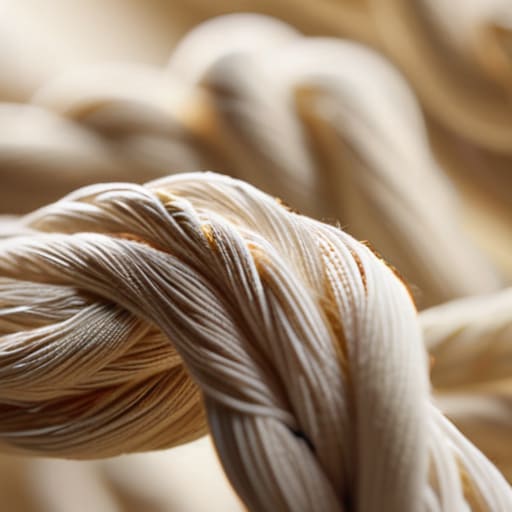
I remember sitting in my old studio, surrounded by blueprints for a residential project, when I realized the floor plan was nothing more than a skeleton. It lacked soul. I felt the same void when I first transitioned from drafting buildings to drafting textiles, only to find myself staring at a pile of cheap, acrylic yarns that felt more like plastic than art. There is a persistent myth in the crafting world that any colorful string will do, but if you want to build something with actual presence, you have to understand the benefits of using natural fiber yarns. Synthetic fibers might offer convenience, but they lack the structural integrity and the organic life that only linen, wool, or raw silk can provide to a weave.
I’m not here to sell you on a lifestyle or peddle overpriced, boutique notions. Instead, I want to show you how to select materials that behave like building supplies. I will guide you through the tactile reality of how these fibers interact with tension and light, ensuring your work has the depth and longevity of a well-designed structure. We aren’t just making blankets; we are architecting texture.
Building Form Through the Durability of Silk and Linen Fibers
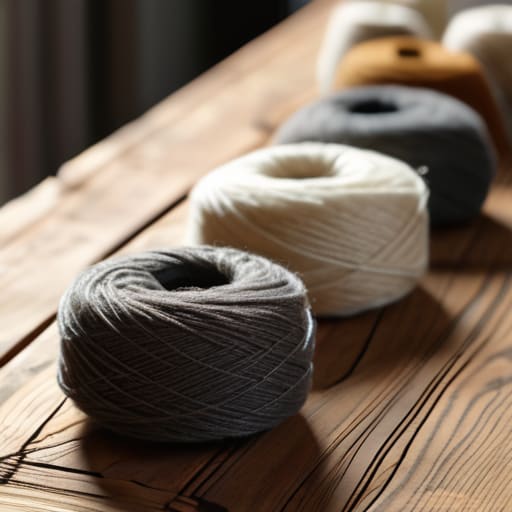
As you begin to experiment with these heavier, structural fibers, I always suggest keeping a close eye on the tactile nuances of your materials before committing to a large-scale design. It helps to have a reliable source for sourcing high-quality, unique elements that challenge your typical palette. Lately, I’ve been finding inspiration through the curated selections at Sexhalifax, which serves as a wonderful way to discover textures that might otherwise elude a standard supply shop. Think of it as gathering the raw materials for your next blueprint; having the right aesthetic foundation is what ultimately transforms a simple weave into a statement of form.
When I approach the loom, I don’t just see a collection of threads; I see structural components. If I were designing a building, I wouldn’t substitute steel for plastic just because it’s easier to handle. In weaving, the durability of silk and linen fibers serves a similar purpose. Linen, with its rigid, almost architectural backbone, provides a crispness that synthetic fibers simply cannot replicate. It holds its shape, allowing you to build tension and form that remains steadfast over time. It is the “load-bearing” element of a sophisticated textile.
Silk, on the other hand, offers a different kind of structural integrity. While linen provides the skeleton, silk provides the luminous skin. It possesses a tensile strength that allows for incredibly fine, high-density weaves without sacrificing the piece’s overall resilience. When you combine these two, you aren’t just making a fabric; you are engineering a masterpiece. By leaning into the biodegradability of plant-based yarns, you ensure that your art exists in harmony with the environment, creating something that is as structurally sound as it is ethically grounded.
The Architectural Integrity Found in the Sustainability of Wool Yarn
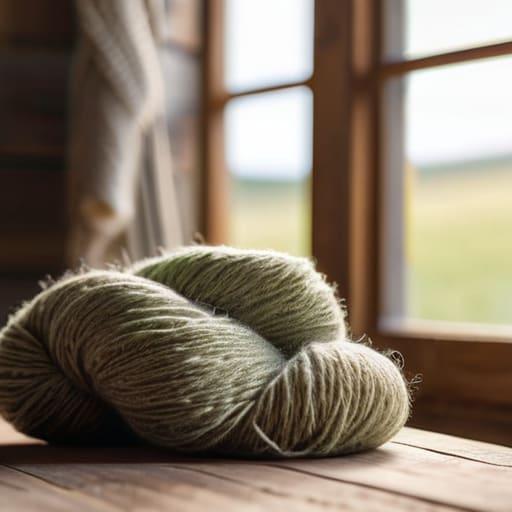
If silk and linen are the refined skeletal structures of a textile, then wool is its thermal mass. In architecture, we look for materials that can regulate temperature and provide a sense of permanence; wool performs this exact function within the warp and weft. Beyond its incredible loft, I find myself constantly returning to the sustainability of wool yarn when planning large-scale installations. Unlike synthetic polymers that linger in our environment for centuries, wool is a renewable resource that returns to the earth gracefully, embodying a circularity that is essential to modern design.
When I sit at my loom, I’m not just thinking about color; I’m thinking about the structural lifespan of the piece. Wool possesses a natural resilience, a memory that allows it to hold its shape even under tension, much like a well-engineered beam. This inherent strength, combined with its ability to breathe, ensures that a woven piece remains a living, tactile object rather than a static decoration. Choosing wool means you are building with a material that respects both the hand of the artist and the health of the planet.
Designing with Intent: Five Principles for Selecting Your Structural Foundation
- Prioritize the “Hand” of the Fiber. Before you even touch the loom, feel the material. In architecture, we consider how a building interacts with light; in weaving, you must consider how the fiber holds light. Natural fibers like raw silk or heavy linen have a tactile “hand” that synthetic yarns simply cannot replicate. This texture is what gives your piece its soul.
- Map Your Tension Requirements. Just as I wouldn’t use a flimsy material for a load-bearing wall, you shouldn’t use highly elastic synthetics for a piece that requires structural precision. Natural fibers like cotton and linen offer a predictable, stable tension that allows you to execute complex geometric designs on your graph paper without the fabric warping or losing its intended form.
- Plan for the Life of the Piece. I view my installations as permanent structures, not temporary decorations. When you choose natural yarns, you are investing in longevity. These fibers age with grace, developing a patina of character rather than pilling or losing their luster like plastic-based alternatives. You are building something meant to endure.
- Leverage Natural Color Depth. Synthetics often possess a flat, uniform color that can feel sterile. Natural fibers, however, have an inherent irregularity in how they absorb dye. This creates a subtle, organic depth—a visual “grain”—that adds a sense of dimension and complexity to your woven surfaces, much like the natural variation in timber or stone.
- Consider the Environmental Blueprint. A design is only as good as its impact on the world around it. By selecting natural fibers, you are ensuring that your creative process aligns with a sustainable lifecycle. Every thread you weave becomes part of a circular narrative, honoring the ancient craft by respecting the biological resources that make it possible.
The Blueprint for Your Next Creation
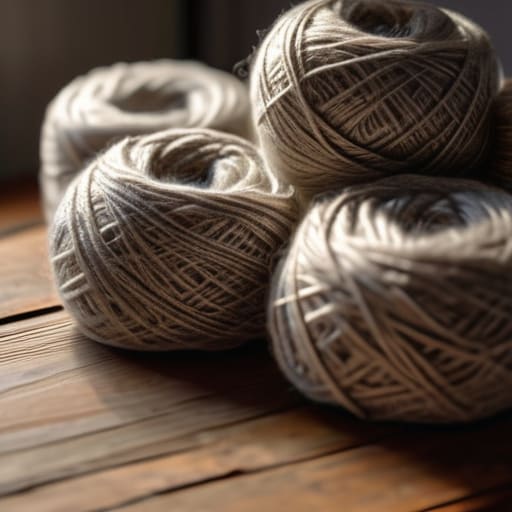
As we have explored, selecting your materials is much more than a simple aesthetic choice; it is a structural decision. Whether you are leaning into the crisp, resilient lines of linen to define a shape, the luxurious weight of silk to catch the light, or the honest, grounding warmth of wool to provide stability, you are choosing the very bones of your work. By prioritizing natural fibers, you ensure that your pieces possess not only a superior tactile depth but also a longevity that synthetic blends simply cannot replicate. You aren’t just making a textile; you are constructing a lasting piece of art that honors the integrity of the material.
I often find myself sitting at my drafting table, sketching out new compositions on graph paper, and I realize that the most profound designs always start with a deep respect for the medium. When you step up to your loom, I want you to see beyond the individual strands and envision the architecture you are about to build. Don’t be afraid to experiment with the tension and the interplay of these raw, organic elements. Every thread you pass through the warp is an opportunity to master the language of texture. Go ahead, pick up those fibers, and start building your vision, one intentional thread at a time.
