

I still remember the first time I encountered what is blocking and why is it important in my knitting journey. A fellow crafter told me that blocking was some kind of magical process that required a lot of expensive tools and a special room in my house. I was immediately put off by the hype and the assumption that I had to break the bank to achieve a professional finish. As someone who believes in keeping it simple, I was determined to cut through the noise and understand the real value of blocking.
In this article, I promise to provide you with a no-nonsense guide to what is blocking and why is it important. I’ll share my personal experience and practical tips on how to block your projects with ease, without the need for fancy equipment or a huge budget. My goal is to demystify the process and show you that blocking is a simple yet powerful technique that can elevate your crafts to the next level. By the end of this article, you’ll have a clear understanding of the benefits of blocking and how to apply it to your own projects, so you can enjoy the satisfaction of creating something truly beautiful and professional-looking.
Table of Contents
What Is Blocking and Why
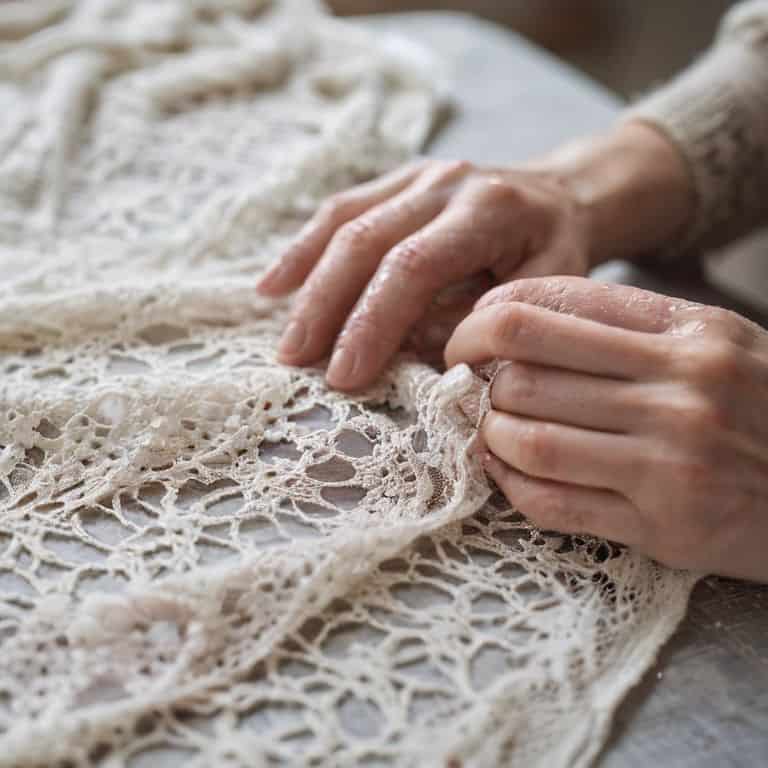
To truly understand the significance of blocking, let’s break it down to its core. Blocking is a process that involves wetting and shaping a finished piece to even out its dimensions, improve its texture, and enhance its overall appearance. Benefits of blocking in crafting are numerous, including the ability to even out stitches, relax fibers, and give the finished piece a professional finish.
When it comes to types of blocking techniques, there are several methods to choose from, each with its own unique benefits. For instance, wet blocking is ideal for fiber preservation, as it helps to relax the fibers and prevent shrinkage. On the other hand, steam blocking is better suited for fabrics that require a bit more persuasion to hold their shape. Understanding the importance of blocking in textile art is crucial, as it can make all the difference in the final product.
As a craft instructor, I’ve seen many students struggle with common mistakes in blocking process, such as using the wrong blocking tools and materials or not allowing the piece to dry completely. To avoid these mistakes, it’s essential to invest in the right tools, such as blocking pins and a measuring tape, and to follow a tried-and-true method. By doing so, you’ll be able to unlock the full potential of your finished piece and enjoy the satisfaction of creating something truly beautiful.
Types of Blocking Techniques
When it comes to blocking, there are several techniques to choose from, each with its own unique benefits. One popular method is wet blocking, which involves soaking your project in water to achieve the desired shape. This technique is particularly useful for relaxing fibers and evenizing out stitches. By wet blocking, you can ensure that your finished project lies flat and looks professional.
I’ve found that pinning out your work is also an essential part of the blocking process. This involves using pins to hold your project in place while it dries, allowing you to shape it precisely and maintain its form. By carefully pinning out your work, you can achieve a crisp, polished finish that makes all the difference in the final result.
Unlocking Benefits of Blocking
As we explore the world of blocking, it’s essential to understand the advantages it offers. By breaking down complex processes into manageable steps, blocking helps to ensure a smooth and enjoyable crafting experience. This approach allows beginners to build confidence in their skills, while experienced crafters can refine their techniques and achieve more precise results.
By embracing the concept of blocking, crafters can unlock their full potential, creating items that are not only functional but also visually appealing. Whether it’s a beautifully woven fabric or a meticulously crafted piece of furniture, the benefits of blocking become apparent in the finished product, making the extra effort well worth it.
Mastering Blocking for Success
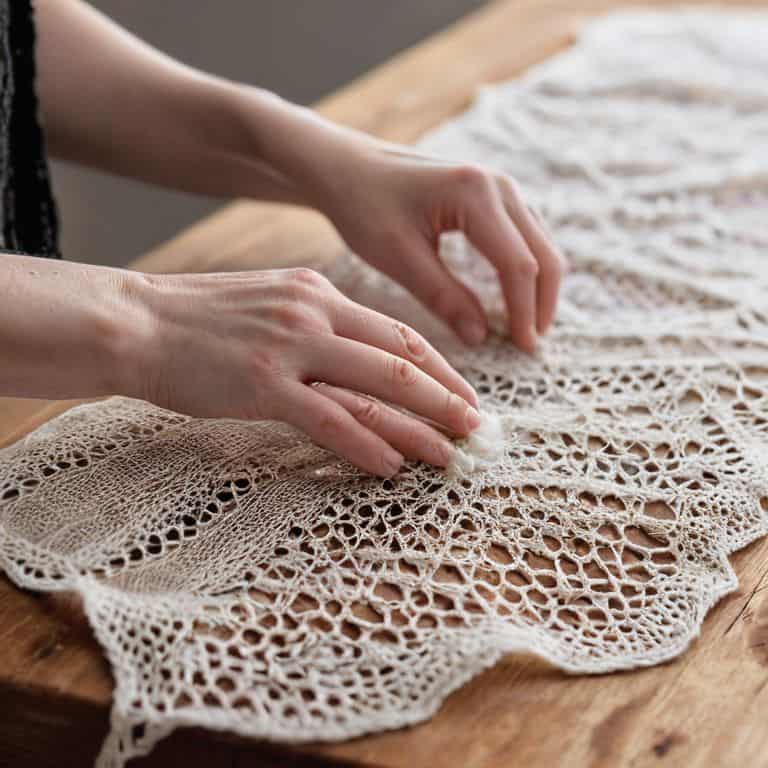
To master the art of blocking, it’s essential to understand the benefits of blocking in crafting, which include even texture, improved drape, and enhanced visual appeal. By applying the right types of blocking techniques, crafters can preserve the integrity of their fibers and prevent damage. For instance, wet blocking is ideal for delicate fibers, while steam blocking is better suited for more resilient materials.
When it comes to blocking for fiber preservation, the importance of using the right blocking tools and materials cannot be overstated. A good set of blocking pins, a measuring tape, and a flat surface are essential for achieving professional-looking results. Additionally, using a blocking mat or a towel can help prevent common mistakes in blocking process, such as over-stretching or misshapen finishes.
By following a few simple steps and using the right equipment, crafters can unlock the full potential of blocking and take their textile art to the next level. The importance of blocking in textile art lies in its ability to transform a finished project from ordinary to extraordinary. With practice and patience, anyone can become a blocking expert and enjoy the many rewards of this essential crafting technique.
Avoiding Common Blocking Mistakes
As we dive into the world of blocking, it’s essential to be aware of the common pitfalls that can lead to frustration. One of the most significant errors is inconsistent tension, which can result in an uneven finish. To avoid this, make sure to maintain a steady hand and apply the same amount of pressure throughout the blocking process.
By being mindful of these potential mistakes, you can ensure a smooth and successful blocking experience. Remember to double-check your measurements before starting, as this will help you achieve the desired shape and size. With attention to detail and a clear understanding of the process, you’ll be well on your way to mastering the art of blocking.
Blocking for Fiber Preservation
When it comes to working with fibers, preventing damage is crucial to maintaining their quality and integrity. Blocking is an essential step in this process, as it helps to relax the fibers and prevent them from becoming misshapen or distorted.
By using blocking techniques, you can ensure that your fibers remain strong and vibrant, which is especially important for delicate or sensitive materials. Proper fiber handling is key to achieving this, and blocking plays a vital role in this process, allowing you to work with your fibers with confidence and precision.
5 Essential Tips to Unlock the Power of Blocking
- Understand the purpose of blocking: it’s not just about shaping your finished project, but also about evenness, stability, and longevity
- Choose the right blocking technique for your material: whether it’s wet blocking, dry blocking, or steam blocking, each has its own unique benefits and applications
- Prepare your project carefully: before blocking, make sure to read the pattern or instructions, and have all the necessary tools and materials within reach
- Be patient and don’t rush the blocking process: it may take some time, but the end result is well worth the wait, and proper blocking can make all the difference in the world
- Practice makes perfect: don’t be discouraged if your first blocking attempts don’t turn out as expected – with time and practice, you’ll develop the skills and confidence to block like a pro
Key Takeaways for Blocking Success
Blocking is a crucial step in various crafting processes that helps to even out tensions, fix mistakes, and enhance the overall appearance of a finished project
By understanding the different types of blocking techniques, such as wet blocking, dry blocking, and steam blocking, crafters can choose the best approach for their specific materials and needs
Mastering blocking requires attention to detail, patience, and practice, but with a clear understanding of the benefits and techniques, crafters can unlock a smoother, more enjoyable creative journey and achieve professional-looking results
The Heart of Crafting
Blocking is the gentle whisper that awakens the true beauty of our handmade creations, reminding us that patience and precision are the threads that weave magic into every stitch.
Beatrice "Bea" Quinn
Conclusion: Unlocking the Full Potential of Blocking
As we’ve explored the world of blocking, it’s clear that mastering this technique is crucial for any craft project. From unlocking benefits like even tension and enhanced texture, to understanding the various types of blocking techniques, each step is a vital part of the process. We’ve also delved into mastering blocking for success, including blocking for fiber preservation and avoiding common blocking mistakes. By breaking down the process into manageable, easy-to-follow steps, you can ensure that your projects turn out beautifully and that you enjoy the journey of creation.
As you embark on your own blocking journey, remember that practice makes perfect. Don’t be discouraged if it takes a few tries to get the hang of it – with patience and persistence, you’ll be unleashing your full creative potential in no time. So go ahead, take a deep breath, and dive into the world of blocking with confidence and enthusiasm. With clear instructions and a willingness to learn, you’ll be amazed at what you can accomplish, and the joy of making will be yours to cherish.
Frequently Asked Questions
How does blocking affect the texture and drape of different fibers?
When it comes to texture and drape, blocking can be a total game-changer. Different fibers respond uniquely: for example, wool and alpaca bloom beautifully, while cotton and linen become crisp and smooth. By blocking, you can enhance the natural texture of each fiber, and achieve a more flowing drape in your finished project.
Can blocking be used for projects other than knitting and crochet, such as sewing or embroidery?
Absolutely, blocking isn’t limited to knitting and crochet. It can be a game-changer for sewing and embroidery projects too, helping to even out seams, relax fibers, and showcase intricate stitches. I’ve used blocking to prepare fabric for quilting and even to revive vintage embroidery pieces – it’s all about understanding the specific needs of your project’s fibers and adjusting your technique accordingly.
What are some common mistakes to avoid when blocking a project for the first time?
To avoid common mistakes, start by checking your gauge, as incorrect tension can lead to uneven blocking. Also, make sure to use the right blocking tools, such as pins and a mat, to prevent damage to your project. I like to create a simple checklist to ensure I’ve covered all the bases – it’s a great way to stay organized and guarantee a professional finish.
