
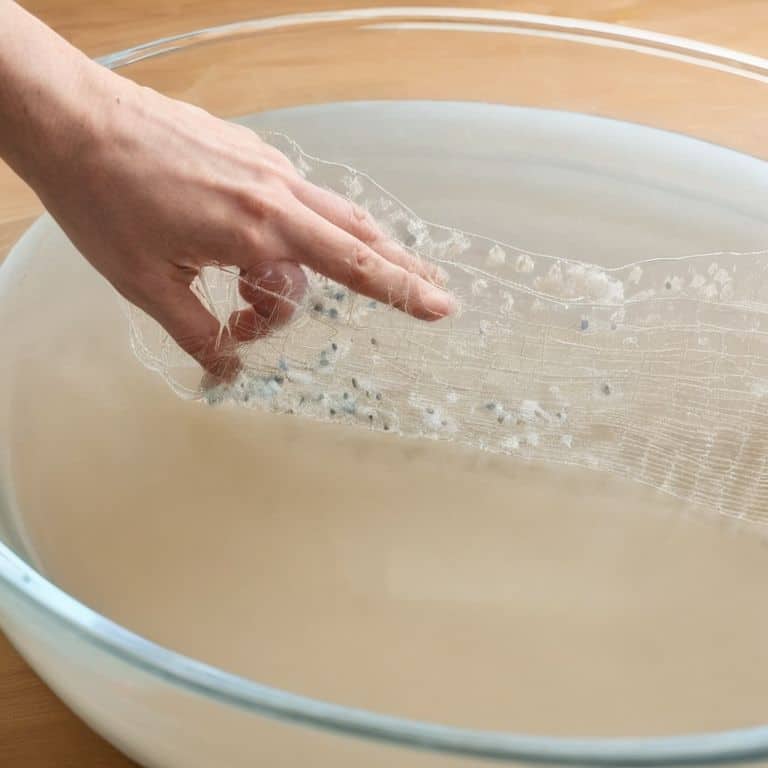
I still remember the first time my wife asked me to help her with how to wet block a wool sweater. She had just finished knitting this beautiful, intricate piece, and I had no idea where to start. I mean, I’m a carpenter, not a fiber expert! But, as I quickly learned, wet blocking is an essential step in bringing out the best in your handmade wool sweaters. The problem is, most tutorials make it sound like you need a degree in textile science to get it right. Let me tell you, it’s not that complicated.
In this article, I’ll share my straightforward, no-nonsense approach to wet blocking a wool sweater. You won’t find any jargon or confusing instructions here. Just honest, practical advice from someone who’s been in your shoes. I’ll walk you through the entire process, from preparing your sweater to drying and finishing. By the end of this guide, you’ll be confident in your ability to wet block a wool sweater like a pro, and you’ll be able to enjoy the fruits of your labor – a beautifully finished, handmade sweater that will last for years to come.
Table of Contents
Guide Overview: What You'll Need
Total Time: 2 hours 30 minutes
Estimated Cost: $10 – $30
Difficulty Level: Intermediate
Tools Required
- Measuring tape (for measuring sweater dimensions)
- Ruler (for ensuring even blocking)
- Pins (for securing sweater in place)
- Towels (for drying and supporting sweater)
- Blocking mats or a large towel (for providing a flat surface)
Supplies & Materials
- Wool sweater (the item to be blocked)
- Cool water (for wetting the sweater)
- Mild detergent (optional, for washing the sweater before blocking)
- Sizing or blocking solution (optional, to help maintain shape)
Step-by-Step Instructions
- 1. First, gather your materials, because you can’t start a project without the right tools. For wet blocking a wool sweater, you’ll need a sink or a large bucket, some mild detergent, a towel, a measuring tape, and a flat surface to block the sweater on. I like to use a large wooden blocking board that I made myself, but you can also use a towel on a bed or a blocking mat.
- 2. Next, submerge the sweater in cold water, making sure it’s fully covered. I add a small amount of mild detergent, just enough to give the water a slightly soapy feel. You don’t want to overdo it with the detergent, or it can felt the wool. Let it soak for about 30 minutes to an hour, depending on how dirty the sweater is.
- 3. After the sweater has soaked, gently squeeze out excess water without wringing or twisting the sweater. You can use a towel to gently blot the sweater and remove some of the excess water. This step is crucial, as you want to remove as much water as possible without stretching or distorting the sweater.
- 4. Now it’s time to lay out the sweater on your blocking surface. Use your measuring tape to make sure the sweater is evenly spaced and that the edges are aligned. You can use pins to hold the sweater in place, but be careful not to stretch it. I like to use blocking pins that are specifically designed for this purpose.
- 5. With the sweater laid out, start shaping it to its desired form. Use your hands to gently coax the sweater into shape, making sure it’s even and symmetrical. You can use your measuring tape to double-check your work and make any necessary adjustments.
- 6. Once the sweater is shaped, allow it to dry completely. This can take several hours or even days, depending on the thickness of the sweater and the ambient temperature and humidity. I like to keep an eye on it and make sure it’s not developing any musty smells or discoloration.
- 7. Finally, inspect and enjoy your beautifully blocked wool sweater. Make sure it’s dry and even, and that it’s retained its shape. If necessary, you can make any final adjustments to the fit or shape. Now you can wear your sweater with pride, knowing that you’ve given it the TLC it deserves.
Wet Blocking Wool Sweaters
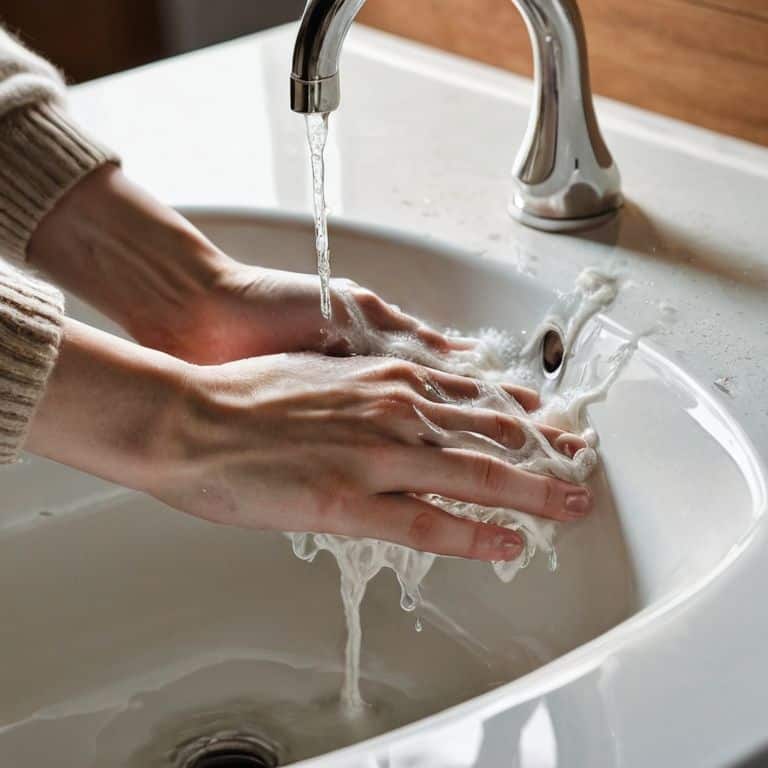
When it comes to caring for wool garments, I’ve learned that it’s all about attention to detail. My wife’s favorite wool sweater, for instance, requires a gentle touch when it comes to washing and drying. I always make sure to hand wash wool sweaters in cold water to prevent any shrinkage or felting. This extra step ensures that the fibers remain soft and intact.
To prevent wool from shrinking, it’s essential to dry wool sweaters flat, away from direct sunlight. I like to lay them out on a towel, reshaping them to their original dimensions. This technique helps maintain the sweater’s shape and prevents any unwanted shrinkage. My wife swears by this method, and I’ve seen it work wonders on even the most delicate wool garments.
In our workshop, we’ve also experimented with resurrecting felted wool by carefully teasing out the fibers and re-blocking the garment. It’s a painstaking process, but the end result is well worth the effort. By following these tips and taking the time to properly care for your wool sweaters, you can enjoy them for years to come. And when you’re not wearing them, consider using wool sweater storage tips like storing them in a cool, dry place to keep them fresh and ready for the next wear.
Blocking at Home to Prevent Wool Shrinkage
When it comes to blocking at home, I’ve found that it’s all about creating the right environment for your wool sweater to relax and regain its shape. I like to think of it as giving my wife’s favorite sweater a mini-spa day. To prevent wool shrinkage, I make sure to use lukewarm water and a mild detergent, and I always gently squeeze out excess water without wringing or twisting the fabric.
By blocking at home, you can ensure your wool sweater retains its softness and texture, and you can even restore its original shape if it’s been felted or shrunk. I’ve had great success with this method, and my wife’s sweaters have never looked better. With a little patience and care, you can achieve the same results and enjoy your wool sweaters for years to come.
Resurrecting Felted Wool With Hand Washing
Resurrecting Felted Wool with Hand Washing
When I’m dealing with a felted wool sweater, I know I have to handle it with care. Hand washing is usually the way to go, and I make sure to use cold water and a mild soap. I’ve found that gently swishing the sweater around, then letting it soak for a bit, can help loosen up the fibers. After a good rinse, I lay it out flat to dry, reshaping it to its original dimensions. It’s amazing how this process can bring new life to a sweater that’s been shrunk or distorted.
I’ve even been known to use this technique to revive some of my wife’s favorite sweaters that have felted over time. With a little patience and TLC, they come out looking like new. The key is to be gentle and not agitate the fibers too much, as this can cause further felting. By taking the time to hand wash and carefully dry the sweater, I’ve been able to rescue many a beloved garment from the brink of disaster.
My Top 5 Tips for Wet Blocking a Wool Sweater
- Wash and rinse your wool sweater in cold water before blocking to remove any dirt or impurities that might affect the fiber
- Use a blocking mat or a large, clean towel to provide a stable and absorbent surface for your sweater to dry on
- Gently stretch and shape your sweater to the desired dimensions while it’s still damp, using blocking pins to hold it in place if needed
- Allow your sweater to air dry completely, away from direct sunlight or heat, to prevent shrinkage or felting
- Consider using a wool-specific blocking solution or adding a small amount of vinegar to the rinse water to help restore the natural texture and softness of the wool fibers
Key Takeaways for Wet Blocking a Wool Sweater
Wet blocking is an essential step in preserving the shape and size of your wool sweater, and it’s easier to do at home than you think
Proper hand washing and blocking techniques can even resurrect felted wool, giving new life to old favorites
With the right tools and a little patience, you can prevent wool shrinkage and keep your sweaters looking their best, all while developing a deeper appreciation for the craftsmanship that goes into creating these beautiful, functional garments
Conclusion: The Art of Wet Blocking
As we’ve explored the world of wet blocking, I hope you’ve gained a deeper understanding of the process and how it can transform your wool sweaters. From the initial steps of preparing the sweater to the final touches of shaping and drying, every detail matters. We’ve also delved into the specifics of resurrecting felted wool and blocking at home to prevent shrinkage, giving you the confidence to tackle even the most delicate projects. By following these steps and tips, you’ll be well on your way to becoming a wet blocking expert, capable of giving your sweaters the TLC they deserve.
As you embark on your own wet blocking journey, remember that it’s not just about following a set of instructions – it’s about falling in love with the process. The smell of wet wool, the feel of the fibers relaxing, and the joy of seeing your hard work pay off are all part of the experience. So, don’t be afraid to get creative and experiment with different techniques, and most importantly, have fun with it! With practice and patience, you’ll be crafting beautiful, professionally finished sweaters that will make you proud to be a maker.
Frequently Asked Questions
What happens if I accidentally felt my wool sweater while trying to wet block it?
Don’t worry, it’s happened to the best of us. If you accidentally felt your wool sweater, all hope isn’t lost. Try gently hand washing it in cold water with a mild soap, then block it to its original dimensions. It might not be perfect, but it can help restore some of the sweater’s shape and softness.
Can I use a washing machine with a hand-wash cycle to wet block a wool sweater, or is hand washing always necessary?
Honestly, I’d advise against using a washing machine, even on a hand-wash cycle. The agitation can still felt your wool, and you want to handle it gently. Hand washing gives you control, so you can be gentle and avoid any damage. Trust me, it’s worth the extra effort to keep your sweater looking its best.
How do I know when my wool sweater is fully dry after wet blocking, and what's the best way to store it to prevent creases and moth damage?
To check if your wool sweater is fully dry, give it a gentle stretch – if it feels soft and pliable, it’s ready. For storage, I recommend using a breathable cloth bag or wrapping it in tissue paper to prevent creases and moth damage. My wife also swears by adding a few cedar chips to keep those pesky moths at bay.
