

I still remember the first time I stumbled upon a virtual knitting group – it was like finding a treasure trove of like-minded folks who shared my passion for yarn and crafting. As I delved deeper into the world of online knitting communities, I realized that there’s a common misconception that virtual connections can’t replace in-person relationships. But, as someone who’s spent countless hours chatting with fellow knitters online, I can attest that a well-curated virtual knitting group can be just as nurturing and inspiring as a local meet-up. In fact, I’ve found that a guide to virtual knitting groups can be a game-changer for those looking to expand their knitting horizons.
As I share my own experiences and insights in this article, I want to assure you that you’ll get practical advice on how to find and join the right virtual knitting groups for your needs. You’ll learn how to navigate online communities, avoid common pitfalls, and make meaningful connections with fellow knitters. Whether you’re a seasoned pro or a beginner looking for guidance, this guide to virtual knitting groups will provide you with the tools and confidence to stitch together a supportive and inspiring online community that will take your knitting to the next level.
Table of Contents
- Guide Overview: What You'll Need
- Step-by-Step Instructions
- A Guide to Virtual Knitting Groups
- Weaving Connections: 5 Essential Tips for Thriving in Virtual Knitting Groups
- Key Takeaways from Our Journey into Virtual Knitting Groups
- Weaving Connections
- Weaving a Community Together
- Frequently Asked Questions
Guide Overview: What You'll Need

Total Time: 1 hour 30 minutes
Estimated Cost: Free – $10
Difficulty Level: Easy
Tools Required
- Computer or Mobile Device (with internet connection)
- Webcam (optional)
- Microphone (built-in or external)
- Video Conferencing Software (e.g., Zoom, Google Meet)
Supplies & Materials
- Knitting Project (current work-in-progress)
- Notebook and Pen (for taking notes and sharing patterns)
- Headphones (optional)
Step-by-Step Instructions
- 1. First, let’s start by exploring online platforms where virtual knitting groups thrive, such as Facebook, Ravelry, or Discord – I’ve found that each has its unique community and features that can enhance your knitting experience. To find these groups, you can simply search for keywords like “virtual knitting group” or “online knitting community” and browse through the results to find the ones that resonate with you.
- 2. Once you’ve identified a few potential groups, take some time to read through their descriptions and understand their focus, rules, and engagement level – this will help you determine if the group aligns with your interests and knitting level. Some groups might be more focused on specific techniques, like lace knitting or colorwork, while others might be more general, covering a wide range of knitting topics.
- 3. The next step is to join the groups that appeal to you and start observing the conversations – don’t be shy, but also don’t feel pressured to contribute right away. Take a week or two to get a feel for the community, see how members interact with each other, and understand the group’s dynamics. You might notice that some groups have weekly or monthly challenges, or that they host virtual knit-alongs, which can be a lot of fun.
- 4. Now that you’re familiar with the group, it’s time to introduce yourself and start participating in discussions – share your current projects, ask for advice, or offer tips to others. Remember, the key to a successful virtual knitting group is active engagement, so don’t be afraid to share your thoughts, ask questions, or post pictures of your work. You might find that you connect with certain members who share similar interests or knitting styles.
- 5. As you become more comfortable within the group, consider hosting or participating in virtual knit-alongs – these events can be a great way to stay motivated, learn new techniques, and bond with fellow knitters. You can choose a pattern, set a deadline, and share your progress with the group, or join an existing knit-along and follow along with the community. I’ve found that virtual knit-alongs are an excellent way to stay accountable and push through challenging projects.
- 6. To take your virtual knitting group experience to the next level, attend online events and webinars – many groups host or participate in online workshops, conferences, or meetups, which can be a fantastic way to learn from experts, network with other knitters, and stay up-to-date on the latest trends and techniques. These events often feature live Q&A sessions, so be sure to prepare your questions and take notes during the presentations.
- 7. Finally, don’t underestimate the power of sharing your story and showcasing your projects within the virtual knitting group – by doing so, you’ll not only inspire others but also receive valuable feedback and support from the community. Consider sharing your design process, writing patterns, or documenting your knitting journey, and be open to constructive criticism and suggestions from fellow group members. This will help you grow as a knitter and foster meaningful connections within the community.
A Guide to Virtual Knitting Groups
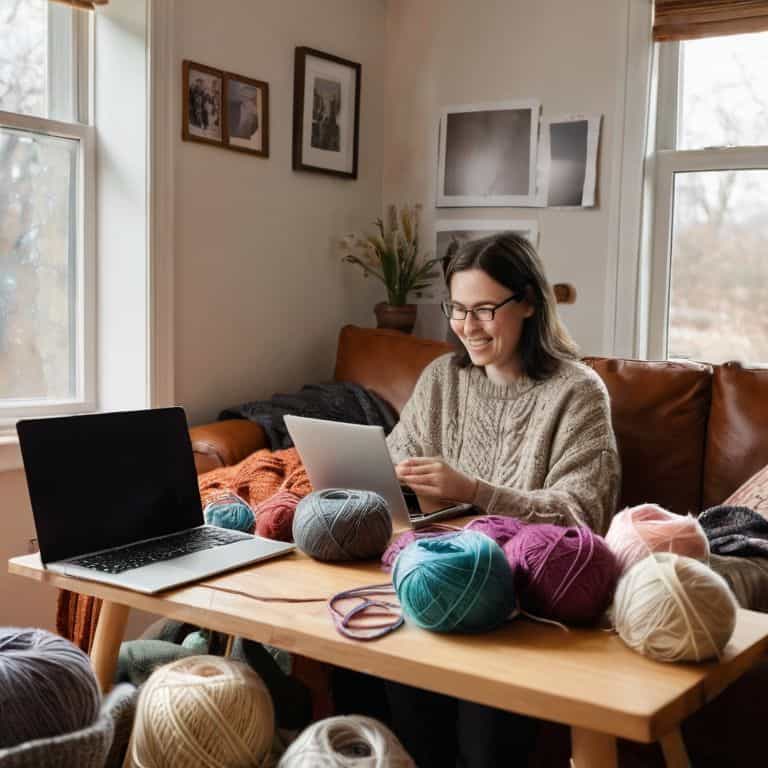
As I’ve explored the world of virtual knitting groups, I’ve noticed that online knitting communities for beginners are particularly valuable. These spaces provide a safe and supportive environment for new knitters to learn and grow. I’ve met some incredibly talented folks in these groups, and I’m always excited to see what they’re working on. Sharing knowledge and expertise is a key aspect of these communities, and I’ve learned so much from the experienced knitters who generously share their time and skills.
When it comes to finding virtual knitting groups, virtual knitting meetups on Facebook are a great place to start. These groups often host regular meetups and events, which can be a wonderful way to connect with other knitters and stay motivated. I’ve also been impressed by the variety of knitting patterns for charity projects that are shared within these groups. From hats for homeless shelters to blankets for animal shelters, the impact of these projects is truly inspiring.
As someone who’s passionate about tips for hosting a virtual knitting workshop, I’ve learned that it’s all about creating a welcoming and inclusive space. By providing clear instructions and encouragement, hosts can help participants feel comfortable and confident, even in a virtual setting. Whether you’re a seasoned knitter or just starting out, I encourage you to explore the world of virtual knitting groups and discover the joy of connecting with others who share your passion for knitting.
Stitching Together Online
As I’ve explored the world of virtual knitting groups, I’ve been struck by the sense of community that exists online. It’s amazing to see how a shared love of yarn can bring people together, regardless of their geographical location. I’ve met folks from all over the globe who are passionate about knitting and eager to share their projects, ask for advice, and offer support. Whether it’s through social media, online forums, or dedicated knitting platforms, these virtual groups have become a vital part of the knitting landscape.
I’ve had the chance to join in on some fantastic online discussions, from debating the merits of different yarn weights to sharing tips on how to tackle complex patterns. It’s heartwarming to see how these online connections can lead to real-life friendships and a deeper appreciation for the craft. What are you working on, and have you found a virtual knitting community that feels like home?
Virtual Knitting Meetups Uncovered
As I’ve traveled to fiber festivals and met incredible makers, I’ve seen firsthand the power of virtual knitting meetups in fostering connections. I’ve asked many of them, “What are you working on?” and discovered that these online groups are often the spark that ignites their creativity. Whether it’s a weekly video call or a social media forum, these meetups provide a space for makers to share their projects, ask for feedback, and learn from one another. I’ve even tried to spin yarn with some of these groups, and although my attempts have been laughable, the sense of community and camaraderie has been inspiring.
These virtual gatherings have become an essential part of the fiber arts community, allowing people from all over the world to come together and celebrate their shared passion for knitting and crochet. By joining these meetups, makers can gain new insights, get inspiration from others, and feel like they’re part of something bigger than themselves.
Weaving Connections: 5 Essential Tips for Thriving in Virtual Knitting Groups
- Be open to trying new patterns and techniques – you never know what you might discover
- Share your work-in-progress and ask for feedback to connect with fellow knitters and get valuable insights
- Participate in virtual meetups and events to meet new people and learn from experienced knitters
- Respect and celebrate the diversity of styles, skills, and opinions within the group to foster a positive community
- Don’t be afraid to ask questions or seek help when you’re stuck – the virtual knitting community is known for its kindness and generosity
Key Takeaways from Our Journey into Virtual Knitting Groups
I’ve learned that virtual knitting groups are more than just online forums – they’re vibrant communities where makers share, inspire, and support one another in their crafting journeys
From my conversations with fellow knitters and industry experts, it’s clear that these virtual meetups have the power to break down geographical barriers and bring people together over a shared passion for fiber arts
By embracing the diversity and creativity within these online groups, we can not only enhance our own knitting skills but also become part of a larger, more compassionate and inclusive community that celebrates the stories behind every stitch
Weaving Connections
Virtual knitting groups are more than just a gathering of needles and yarn – they’re a testament to the power of shared creativity and community, reminding us that even in a digital age, the threads that bind us are still deeply human.
Noah Byrne
Weaving a Community Together

As I reflect on our journey through the world of virtual knitting groups, I’m reminded of the power of connection that exists within our community. From the step-by-step guide to finding and joining virtual groups, to the stitching together of online friendships, we’ve explored the many ways that technology can bring us closer to one another. Whether you’re a seasoned knitter or just starting out, virtual knitting groups offer a unique opportunity to learn, share, and grow with like-minded individuals from around the world.
So as you embark on your own virtual knitting journey, I encourage you to keep an open heart and mind, and to always ask: what are you working on? For in the end, it’s not just about the yarn or the stitches, but about the people and stories that bring our craft to life. By embracing the spirit of community and connection that exists within virtual knitting groups, we can create a world of warmth, support, and creativity that transcends borders and boundaries.
Frequently Asked Questions
What are the best platforms to join for virtual knitting groups?
I’ve had the chance to explore several platforms, and I think Ravelry, Discord, and Facebook Groups are fantastic for virtual knitting communities. Each has its unique vibe, but they all offer a great way to connect with fellow knitters, share projects, and learn from one another. What are you working on, and have you found a favorite online knitting hub?
How do I find a virtual knitting group that aligns with my skill level and interests?
I’ve found that searching online for groups focused on specific techniques, like lace or cables, can be a great way to find like-minded knitters. You can also try joining broader knitting communities and asking for recommendations – what are you working on, and I can try to point you in the right direction?
What are some common etiquette rules I should follow when participating in online knitting communities?
When joining online knitting communities, I’ve found that common etiquette rules include being respectful, sharing your work willingly, and giving constructive feedback. Ask permission before sharing someone’s project, and always credit the designer or pattern maker. Remember, these spaces are meant to inspire and support – so be kind, and don’t be afraid to ask, “What are you working on?
