
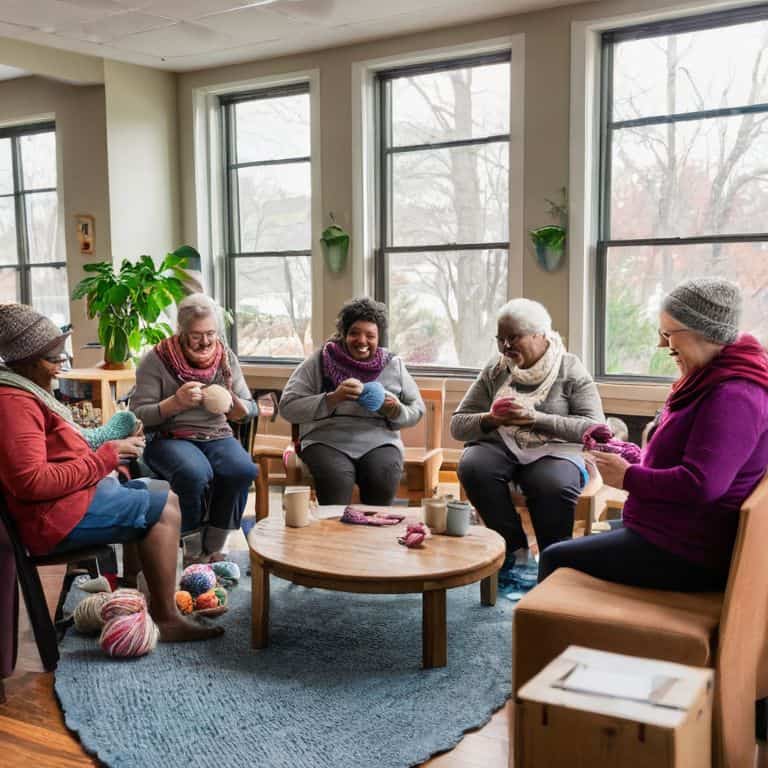
I still remember my first knitting group meeting – it was chaos, but the best kind! As I asked everyone, “What are you working on?” the conversations flowed, and I realized that tips for running a successful knitting group aren’t just about organizing schedules and supplies, but about fostering a sense of community. I’ve had the privilege of attending numerous fiber festivals and talking to makers from all over the world, and I’ve learned that the key to a thriving knitting group lies in its people, not just its projects.
As I share my own experiences and insights in this article, I promise to give you honest, no-hype advice on how to create a knitting group that’s more than just a gathering of yarn enthusiasts. You’ll learn how to weave stories and laughter into your meetings, making them a highlight of your week. From setting the right tone to encouraging participation, I’ll cover the essential tips for running a successful knitting group that will help you build a strong, supportive community of makers. Whether you’re a seasoned knitter or just starting out, this guide is designed to help you create a space where everyone feels welcome and inspired to create.
Table of Contents
Guide Overview: What You'll Need
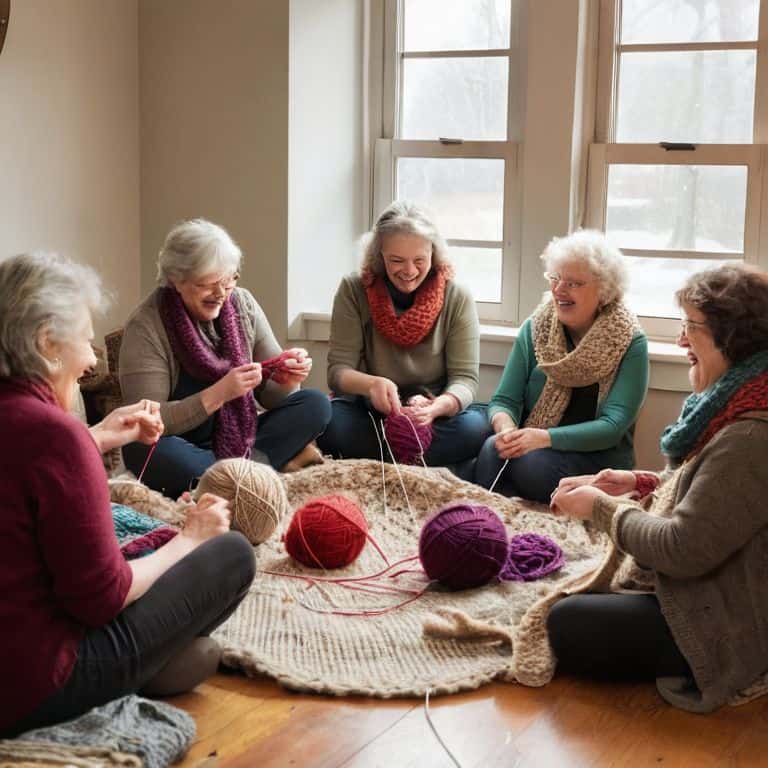
Total Time: 1 hour 30 minutes to 2 hours
Estimated Cost: $0 – $20
Difficulty Level: Easy
Tools Required
- Comfortable seating for all members
- Large table for laying out projects
- Good lighting to see stitching
Supplies & Materials
- Variety of yarns for inspiration and sharing
- Knitting needles in various sizes
- Pattern books or digital devices for pattern access
- Snacks and refreshments to keep members energized
Step-by-Step Instructions
- 1. First, set the tone for your knitting group by deciding on a theme or a specific type of project that everyone will be working on. This could be anything from scarves to blankets, and having a clear idea of what you’re all working towards can help guide the conversation and keep everyone engaged. I still remember my first knitting group meeting, where we all decided to make hats for a local charity – it was a great way to break the ice and feel like we were all working together towards a common goal.
- 2. Next, create a comfortable and inviting space for your group to meet. This could be a local coffee shop, a community center, or even someone’s living room. Make sure there’s enough seating and table space for everyone to work on their projects, and consider having some snacks and drinks available to keep everyone energized and focused. I’ve found that a warm and welcoming space can make all the difference in helping people feel at ease and open up about their projects.
- 3. Then, establish a regular meeting schedule that works for everyone. This could be weekly, biweekly, or monthly – whatever works best for your group. Having a regular schedule can help keep everyone on track and ensure that your group stays consistent and engaged. I’ve found that having a set schedule also helps me stay motivated to work on my own projects, and it’s great to have a deadline to work towards.
- 4. When it comes to encouraging participation and feedback, I’ve found that it’s all about creating a safe and supportive environment. Encourage everyone to share their projects and ask for feedback, and make sure to provide constructive and helpful comments in return. I’ve learned that it’s okay to say “I don’t know” or “I’m not sure” – it’s all part of the learning process, and we’re all in this together.
- 5. To keep the conversation flowing, try asking open-ended questions that encourage people to share more about their projects. Instead of asking “How’s your project going?”, try asking “What inspired you to choose that particular yarn or pattern?” or “What’s been the most challenging part of your project so far?” I’ve found that these types of questions can lead to some really interesting and insightful conversations, and they help to build a sense of community and connection within the group.
- 6. Next, consider having a guest speaker or workshop to help mix things up and provide some new inspiration for your group. This could be a local yarn dyer, a knitting pattern designer, or even a spinning instructor. Having a guest speaker can help bring new ideas and perspectives to the table, and it’s a great way to learn new skills and techniques. I’ve had the opportunity to interview some amazing guest speakers on my podcast, and it’s always inspiring to hear about their experiences and expertise.
- 7. Finally, make sure to show appreciation and gratitude for all the hard work and dedication that your group members bring to the table. This could be as simple as bringing in some treats or hosting a special celebration for a milestone project. I’ve found that showing appreciation and gratitude can go a long way in building a strong and supportive community, and it’s a great way to keep everyone motivated and engaged. Whether it’s a handmade gift or a simple “thank you”, showing that you care can make all the difference in the world.
Tips for Running a Group
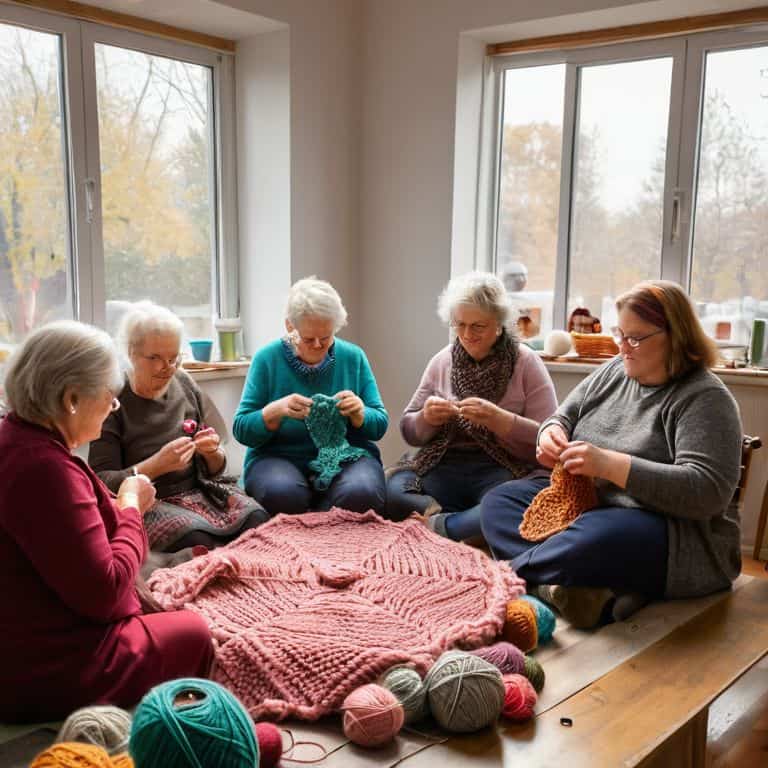
As I reflect on my experiences with knitting groups, I realize that starting a knitting community is just the first step. To keep the momentum going, it’s essential to have a variety of engaging activities that cater to different interests and skill levels. This can include knitting group project ideas, such as charity knitting or skill-building workshops, which help to foster a sense of purpose and camaraderie among members.
Managing knitting group dynamics is also crucial to ensuring a positive experience for all participants. This involves promoting inclusivity by creating a safe and welcoming space where everyone feels valued and supported. As a leader, it’s essential to be approachable, listen actively, and address any concerns or issues promptly. By doing so, you can help to build trust and encourage open communication among group members.
In today’s digital age, virtual knitting group tips can be incredibly useful for groups that meet online or have members who cannot attend in-person meetings. This can include using video conferencing tools, creating online forums or social media groups, and sharing resources and patterns digitally. By leveraging these tools, knitting group leaders can help to facilitate connections and community-building among members, regardless of their physical location.
Managing Dynamics With Care
As I’ve traveled to fiber festivals and met countless makers, I’ve seen how dynamics can shift within a group. It’s essential to approach these situations with empathy and understanding. When conflicts arise, I remind myself that every skein of yarn has a story, and so does every person in our community. By listening to each other’s tales and sharing our own, we can weave a stronger, more resilient bond.
I recall a particularly memorable knitting group meeting where a newcomer felt intimidated by a seasoned knitter’s intricate project. With a gentle nudge, we encouraged the newcomer to share their own work, and soon the whole group was oohing and aahing over their unique stitch pattern. It was a beautiful reminder that our differences are what make our community thrive. By embracing these differences and fostering an atmosphere of mutual support, we can create a space where everyone feels valued and inspired to create.
Starting a Community With Yarn
As I reflect on my own experiences with knitting groups, I realize that it’s the shared passion for yarn that brings us together. Starting a community with yarn is about more than just threads and needles – it’s about sparking conversations and connections. I’ve seen it time and time again at fiber festivals, where strangers become fast friends over a shared love of handmade crafts. By embracing this sense of community, we can create spaces where makers feel supported and inspired.
For me, it’s the simple act of asking “What are you working on?” that sets the tone for a welcoming and inclusive group. This question has a way of breaking down barriers and getting people talking about their latest projects and passions. As we share our stories and showcase our creations, the yarn becomes a symbol of our collective creativity and camaraderie.
Weaving Together: 5 Essential Tips for a Thriving Knitting Group
- Encourage Active Sharing: Ask each member to share their current project, fostering a sense of community and sparking inspiring conversations
- Foster a Supportive Environment: Emphasize the importance of constructive feedback and mutual respect, allowing members to grow and learn together
- Schedule Regular Meetups: Consistency is key to maintaining momentum and enthusiasm; consider weekly or bi-weekly gatherings to keep the creative juices flowing
- Celebrate Milestones and Progress: Acknowledge and celebrate members’ achievements, no matter how small, to keep motivation high and reinforce a sense of accomplishment
- Embrace Diverse Skill Levels: Welcome knitters of all experience levels, providing opportunities for mentorship, knowledge sharing, and collective growth within the group
Weaving a Strong Community: 3 Key Takeaways
As I reflect on my own experiences with knitting groups, I’m reminded that the simplest questions can spark the most meaningful connections – like asking ‘What are you working on?’ to get conversations flowing
Creating a thriving community requires more than just yarn and needles; it demands a willingness to listen, to share, and to nurture the stories that make our craft so special
Whether you’re a seasoned organizer or just starting out, the key to a successful knitting group lies in embracing the beauty of imperfection, celebrating the diversity of your members, and recognizing that every skein of yarn has a story to tell
Weaving Together
A successful knitting group is not just about the stitches, it’s about the stories we share, the laughter we exchange, and the memories we create together – it’s about embracing the beauty of imperfection and the joy of community.
Noah Byrne
Weaving a Lasting Tapestry
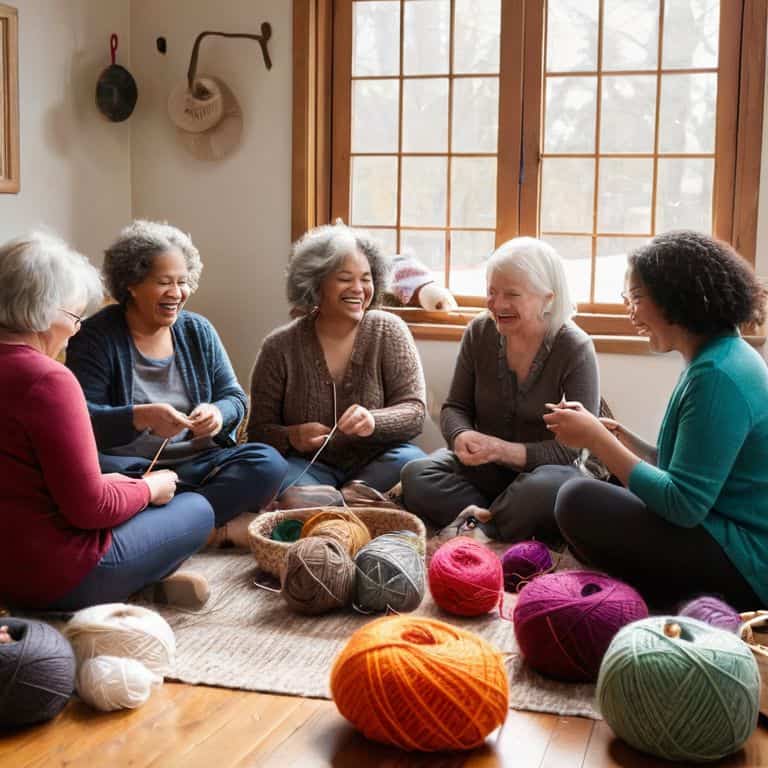
As I reflect on the journey of creating a thriving knitting group, I’m reminded of the importance of embracing our shared passion for yarn and community. From the initial steps of gathering like-minded individuals to the ongoing process of managing dynamics and fostering growth, every moment is an opportunity to nurture connections and celebrate the stories behind each stitch. By focusing on the ‘who’ and ‘why’ of our craft, we not only create a supportive environment but also a space where everyone feels valued and inspired.
As we close this chapter on running a successful knitting group, I want to leave you with a final thought: the true magic happens when we allow ourselves to be vulnerable, to share our struggles and triumphs, and to support one another in our creative journeys. So, let’s continue to ask each other, ‘What are you working on?’ and watch as our communities flourish, one stitch at a time, into vibrant tapestries of connection and creativity.
Frequently Asked Questions
How do I ensure that all members of my knitting group feel included and valued, regardless of their skill level?
I’ve seen it time and time again – a newcomer joins our knitting circle, and we all swarm to help. But sometimes, I think we forget to ask the most important question: ‘What do you need from us?’ Giving each member the space to share their thoughts and feelings helps create a sense of belonging, regardless of skill level.
What are some strategies for managing conflicting opinions or creative differences within the group?
When conflicting opinions arise, I remind myself that every skein of yarn has a story – and so does every maker. I ask, “What inspired this design?” or “How did you choose this color?” It’s amazing how sharing our ‘whys’ can diffuse tension and spark new ideas, reminding us that our differences are what make our community’s tapestry so rich.
How can I balance the desire for socializing and community-building with the need for focused knitting time and productivity?
I’ve found that setting aside dedicated “chat time” and “knit time” helps strike a balance. Ask members to share their projects during the social segment, and then encourage focused knitting afterwards. This way, everyone gets to connect and make progress on their latest creations.
