
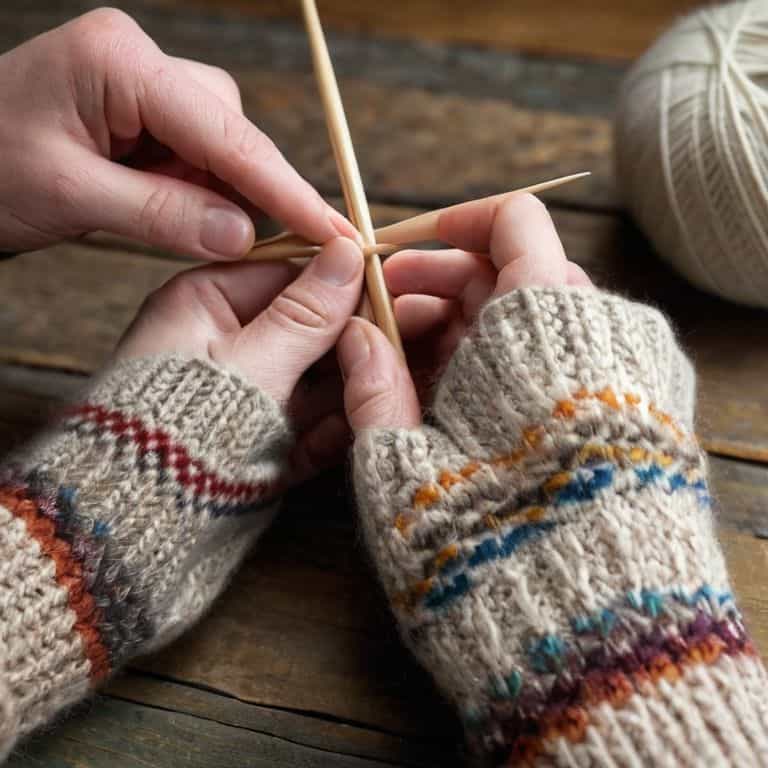
I still remember the first time I stumbled upon a traditional Shetland Fair Isle knitting pattern – the intricate colors and designs left me mesmerized. As I delved deeper into the world of knitting, I realized that many people believed that mastering this technique required years of experience and a natural talent for colorwork. However, I’ve found that with the right guidance and practice, anyone can create stunning Shetland Fair Isle knits. My journey into the world of a guide to Shetland Fair Isle knitting has been a winding one, filled with twists and turns, but ultimately, it’s led me to a deeper understanding of this beautiful craft.
As I share my knowledge with you, I want to assure you that this article will provide you with honest and practical advice on how to get started with Shetland Fair Isle knitting. You won’t find any fancy jargon or complicated patterns here, just straightforward guidance on how to choose the right yarns, needles, and techniques to bring your projects to life. Whether you’re a beginner or an experienced knitter looking to expand your skills, this guide to Shetland Fair Isle knitting will walk you through the process, step by step, and help you unlock the secrets of this traditional technique.
Table of Contents
- Guide Overview: What You'll Need
- Step-by-Step Instructions
- Unraveling Shetlands Knitting Secrets
- Weaving Wisdom: 5 Essential Tips for Mastering Shetland Fair Isle Knitting
- Key Takeaways from Our Journey into Shetland Fair Isle Knitting
- Weaving Together Tradition and Innovation
- Weaving Together the Threads of Shetland Fair Isle
- Frequently Asked Questions
Guide Overview: What You'll Need
Total Time: several weeks to several months
Estimated Cost: $50 – $200
Difficulty Level: Intermediate / Hard
Tools Required
- US 2-4 knitting needles (depending on the yarn weight)
- Scissors (sharp and dedicated to cutting yarn)
- Tapestry needle (for weaving in ends)
- Measuring tape (for measuring gauge)
- Stitch markers (optional but recommended)
Supplies & Materials
- Shetland wool yarn (in various colors)
- Fair Isle knitting pattern (choose a design that suits your skill level)
- Yarn needle (for sewing seams)
- Stitch dictionary (for reference)
- Knitting bag or basket (to keep your work organized)
Step-by-Step Instructions
- 1. To start your Shetland Fair Isle knitting journey, begin by selecting a pattern that resonates with you. This could be a traditional design or a modern interpretation, but make sure it’s something that sparks your creativity and enthusiasm. I still recall my first Fair Isle project, where I chose a classic motif that has been passed down through generations of Shetland knitters.
- 2. Next, choose your yarns, considering the colors, weights, and textures that will bring your pattern to life. Shetland Fair Isle knitting is all about the interplay of colors, so don’t be afraid to experiment and combine different hues to create a unique palette. I’ve had the pleasure of meeting several indie dyers who specialize in creating yarns specifically for Fair Isle knitting, and their stories are truly inspiring.
- 3. Now, swatch your yarns to ensure that they work well together and to get a sense of how they will behave in your knitting. This step is crucial, as it will help you avoid any potential issues with tension, color pooling, or fabric density. I’ve learned the hard way that swatching is essential, and it’s a step that I always emphasize to my podcast guests.
- 4. With your yarns and pattern in hand, cast on your stitches and prepare to start knitting. Make sure to use a method that suits your project, such as the long-tail cast-on or the cable cast-on. I prefer the long-tail method, as it creates a neat and elastic edge that’s perfect for Fair Isle knitting.
- 5. As you begin knitting, pay attention to your tension, as it can affect the overall fabric of your project. Shetland Fair Isle knitting is known for its dense, warm fabric, so aim for a tension that’s firm but not too tight. I’ve found that using a combination of knit and purl stitches helps to create a balanced fabric that’s both durable and comfortable.
- 6. When working with multiple colors, use a yarn management system to keep your strands organized and prevent tangles. This could be as simple as using a yarn bowl or a magnetic board, or as complex as implementing a specific yarn weaving technique. I’ve developed my own system over the years, which involves using small clips and a yarn needle to manage my strands.
- 7. As you progress with your project, don’t be afraid to make mistakes, as they can often lead to new and exciting discoveries. Shetland Fair Isle knitting is all about experimentation and creativity, so be prepared to try new things and adapt your approach as needed. I’ve had many guests on my podcast who have shared their stories of mistake-turned-masterpiece, and it’s a testament to the versatility and beauty of this traditional craft.
Unraveling Shetlands Knitting Secrets
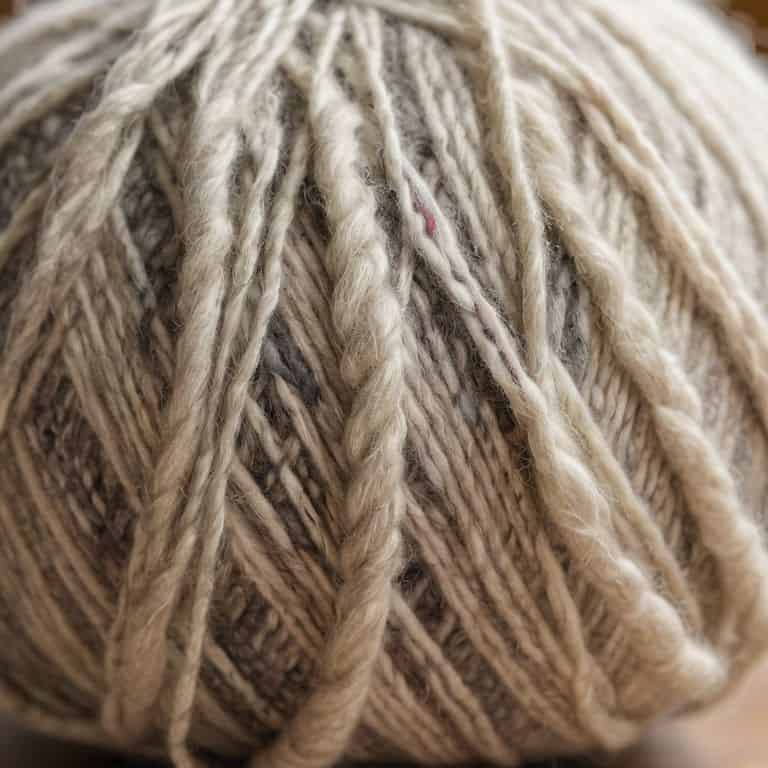
As I delved deeper into the world of Shetland Fair Isle knitting, I discovered the importance of understanding Shetland wool characteristics. The unique crimp and texture of this wool make it ideal for creating intricate patterns and colorwork. I recall a conversation with a seasoned knitter who emphasized the need to choose the right yarn to bring out the full beauty of Fair Isle designs.
When it comes to fair isle knitting for beginners, one of the most crucial tips is to start with simple patterns and gradually move on to more complex ones. This allows knitters to develop the necessary skills and confidence to tackle traditional Shetland knitting patterns. I’ve seen many beginners get discouraged by trying to take on too much too soon, but with patience and practice, anyone can master the art of Fair Isle knitting.
In exploring the history of fair isle knitting techniques, I found that the Shetland Islands have a rich knitting culture that dates back centuries. The islanders’ resourcefulness and creativity in using available materials to create warm and durable clothing have inspired generations of knitters. By embracing colorwork knitting tips and tricks, knitters can add a personal touch to their projects and create unique, handmade pieces that tell a story.
Discovering Shetland Wool Characteristics
As I delved deeper into the world of Shetland Fair Isle knitting, I became fascinated by the unique characteristics of Shetland wool. I recall a conversation with a local shepherd who shared with me the story of how the harsh Shetland climate and rugged landscape shape the fleece of these remarkable sheep. The crimp, the color, and the texture of Shetland wool all contribute to its exceptional durability and warmth. I’ve had the privilege of handling raw Shetland fleece, and I can attest to its remarkable softness and loft.
The more I learn about Shetland wool, the more I appreciate its role in the traditional Fair Isle knitting technique. The wool’s natural crimp and texture allow it to hold colors beautifully, creating a depth and richness that’s hard to replicate with other fibers. Whether you’re working with commercially available Shetland yarns or spinning your own from raw fleece, understanding the characteristics of this incredible wool is key to unlocking the full potential of your Fair Isle projects.
Mastering Fair Isle Knitting for Beginners
As I delved deeper into the world of Fair Isle knitting, I realized that mastering this technique requires patience, practice, and a willingness to learn from others. I recall attending a workshop at the Edinburgh Yarn Festival, where I met a seasoned knitter who shared her tips for avoiding common mistakes. She emphasized the importance of swatching, choosing the right yarn, and maintaining a consistent tension. Her advice has been invaluable to me, and I’ve seen many beginners benefit from her guidance.
For those just starting out, I recommend beginning with simple projects, such as a hat or cowl, to get a feel for the technique. It’s also essential to watch online tutorials and join knitting communities to connect with others who can offer support and encouragement. By taking it one step at a time and being gentle with yourself, you’ll be well on your way to mastering the art of Fair Isle knitting.
Weaving Wisdom: 5 Essential Tips for Mastering Shetland Fair Isle Knitting
- I still recall my first attempt at Shetland Fair Isle knitting – the colors seemed to clash, and the fabric was stiff as a board. It wasn’t until I learned to swatch, swatch, swatch that I began to grasp the nuances of this traditional technique, and now I swear by the importance of taking the time to get it just right
- Choosing the right yarn is more than just picking a color palette you like – it’s about understanding the story behind each skein. I’ve had the privilege of meeting some of the indie dyers who create these incredible yarns, and hearing their stories has given me a deeper appreciation for the craft. For Shetland Fair Isle, you want yarns that will give you a soft, yet durable fabric, with a subtle sheen that catches the light
- One of the most common mistakes beginners make when attempting Shetland Fair Isle knitting is not leaving enough yarn tail for weaving in ends. I’ve been there, too – you get so caught up in the rhythm of knitting that you forget about the finishing touches. But trust me, it’s worth taking the extra time to weave in those ends properly, so your finished project looks polished and professional
- I’ve had the chance to interview some of the most talented Fair Isle knitters in the industry, and one thing they all agree on is the importance of maintaining tension. It’s not just about keeping your stitches even, but about creating a fabric that drapes beautifully and has a soft, supple texture. I’ve found that using a yarn with a bit of give, like a wool or wool-blend, can help you achieve that perfect tension
- As I’ve traveled to fiber festivals around the world, I’ve seen firsthand the impact that Shetland Fair Isle knitting can have on a community. It’s not just a technique – it’s a way of connecting with others, of sharing stories and traditions. So don’t be afraid to join a knitting group, or attend a workshop, or simply share your projects on social media. You never know who you might inspire, or what amazing connections you might make along the way
Key Takeaways from Our Journey into Shetland Fair Isle Knitting
I’ve learned that the essence of Shetland Fair Isle knitting lies not just in its technical aspects, but in the stories and traditions that each stitch and color choice tells
Understanding the unique characteristics of Shetland wool and how it contributes to the distinctive look and feel of Fair Isle knitting has been a game-changer for my own projects
By embracing the community and heritage behind Fair Isle knitting, and not being afraid to make mistakes, I’ve found that this traditional craft can be a powerful tool for connection, creativity, and wellness
Weaving Together Tradition and Innovation
As I’ve delved deeper into the world of Shetland Fair Isle knitting, I’ve come to realize that it’s not just a technique, but a testament to the power of community, tradition, and the human spirit – each stitch a story, each color a memory, and each finished piece a reflection of the love and craftsmanship that goes into creating it.
Noah Byrne
Weaving Together the Threads of Shetland Fair Isle
As I reflect on our journey through the world of Shetland Fair Isle knitting, I’m reminded of the intricate patterns and rich history that make this craft so unique. From the initial steps of choosing the right yarn to the final touches of weaving in ends, every detail matters in creating a beautiful, authentic piece. We’ve delved into the characteristics of Shetland wool, explored the basics of Fair Isle knitting, and uncovered some of the secrets to mastering this traditional technique. Whether you’re a seasoned knitter or just starting out, the key to success lies in patience, practice, and a willingness to learn from the stories of Shetland’s knitting past.
As we conclude this guide, I hope you’re inspired to embark on your own Shetland Fair Isle knitting adventure, to unravel the tales of the isles and find your own place within the rich narrative of this craft. Remember, every stitch, every row, and every completed project is not just a testament to your skill, but a thread in the tapestry of our shared passion for knitting, connecting you to all those who have knit before us and those who will follow in our footsteps. So, take up your needles, and let the yarn tell its story.
Frequently Asked Questions
What are the essential tools and materials needed to get started with Shetland Fair Isle knitting?
To dive into Shetland Fair Isle knitting, you’ll need a few essentials: double-pointed or circular needles, a tapestry needle, scissors, and of course, a variety of Shetland wool yarns in different colors. I always recommend investing in good quality yarn and needles – it makes all the difference in the world, trust me!
How do I choose the right colors and patterns to create a traditional Fair Isle design?
For me, choosing colors and patterns for a traditional Fair Isle design is all about storytelling. I ask myself, “What’s the tale I want to tell with this yarn?” Consider the natural hues of Shetland, like earthy browns and blues, and think about how they can be woven together to evoke the islands’ rugged beauty.
What are some common mistakes to avoid when knitting with multiple colors in the Shetland Fair Isle style?
When knitting with multiple colors in Shetland Fair Isle, I’ve found that one common mistake to avoid is carrying yarn too tightly, which can pucker the fabric. Another is not weaving in ends as you go, leading to a frustrating finish. I’ve been there, trust me!
