
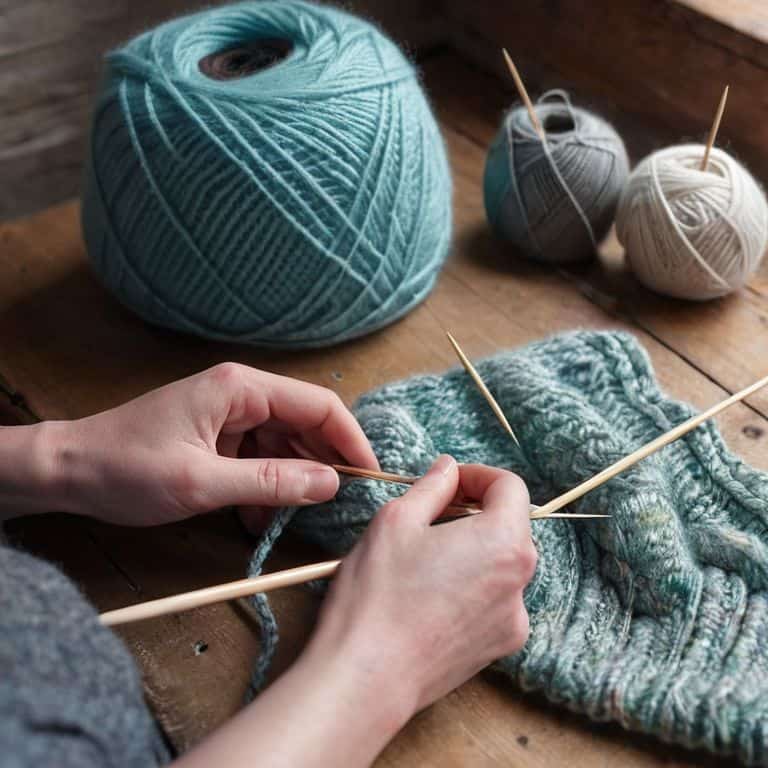
I still remember the first time I tried a guide to knitting in the round on circular needles – it was like unlocking a secret door to a world of cozy possibilities. The myth that knitting in the round is only for experienced knitters is simply not true. With the right tools and a little patience, anyone can master this technique. I’ve seen it time and time again in my workshops: the look of wonder on a student’s face when they complete their first circular project is truly magical.
In this article, I promise to share my honest, no-fuss advice on how to get started with a guide to knitting in the round on circular needles. We’ll cover the basics of choosing the right circular needles, casting on, and troubleshooting common issues. My goal is to make you feel confident and comfortable with this technique, so you can focus on creating something truly special. Whether you’re a beginner or just looking to refresh your skills, I’m excited to guide you on this journey and help you discover the joy of knitting in the round.
Table of Contents
Guide Overview: What You'll Need
Total Time: 2 hours 30 minutes
Estimated Cost: $20 – $50
Difficulty Level: Intermediate
Tools Required
- Circular needles 16 inches or 20 inches in length
- Scissors
- Tapestry needle for weaving in ends
- Stitch markers optional
Supplies & Materials
- Yarn choose a type and weight suitable for your project
- Stitch pattern or recipe for the specific project you want to make
Step-by-Step Instructions
- 1. To begin our journey into knitting in the round on circular needles, let’s start by choosing the right tools for the job. This includes selecting a circular needle that’s the appropriate size for your project, as well as some lovely yarn that will bring your creation to life. I always find that the texture of the yarn can make or break a project, so take your time and pick something that feels wonderful to the touch.
- 2. Next, we need to cast on our stitches. This can be a bit tricky when working with circular needles, but don’t worry, with a little practice, you’ll be a pro in no time. I like to use the long-tail cast-on method, as it creates a neat and stretchy edge that’s perfect for garments like hats and sleeves. Make sure to cast on an even number of stitches, as this will make it easier to work in the round.
- 3. Now that we have our stitches cast on, it’s time to join them to work in the round. To do this, simply knit the first stitch on your needle, then pull the yarn tight to form a circle. Be careful not to pull too tightly, as this can cause your work to pucker. You want to create a smooth, even circle that will be the foundation of your project. I find that using a stitch marker can be really helpful here, as it allows you to keep track of the beginning of the round.
- 4. With our stitches joined, we can start knitting in the round. To do this, simply knit each stitch on your needle, working your way around the circle. As you knit, make sure to keep the tension even, as this will affect the overall fit and drape of your project. I like to listen to music or podcasts while I knit, as it helps me to relax and get into a rhythm. Remember to count your stitches regularly, as it’s easy to accidentally drop or add stitches when working in the round.
- 5. As we continue to knit in the round, we’ll eventually need to decrease our stitches to shape our project. This can be a bit fiddly, but don’t worry, it’s easier than it sounds. To decrease, simply knit two stitches together, then continue knitting as usual. Make sure to space your decreases evenly, as this will affect the overall shape of your project. I find that using a decrease pattern can be really helpful here, as it allows you to create a smooth, even curve.
- 6. Once we’ve completed our project, it’s time to bind off. This can be a bit tricky when working with circular needles, but there are a few techniques that can make it easier. I like to use the stretchy bind-off method, as it creates a neat and flexible edge that’s perfect for garments like hats and scarves. Make sure to bind off loosely, as this will affect the overall fit and comfort of your project. Remember to weave in your ends, as this will give your project a neat and professional finish.
- 7. Finally, let’s talk about troubleshooting. When working with circular needles, it’s not uncommon to encounter a few problems along the way. If you find that your stitches are uneven or your project is too tight, don’t panic. Simply rip back to the mistake and try again, making sure to keep your tension even and your stitches consistent. With a little practice and patience, you’ll be knitting like a pro in no time. I always find that taking a break and coming back to my project later can be really helpful, as it allows me to approach the problem with fresh eyes and a clear mind.
Knitting in Harmony
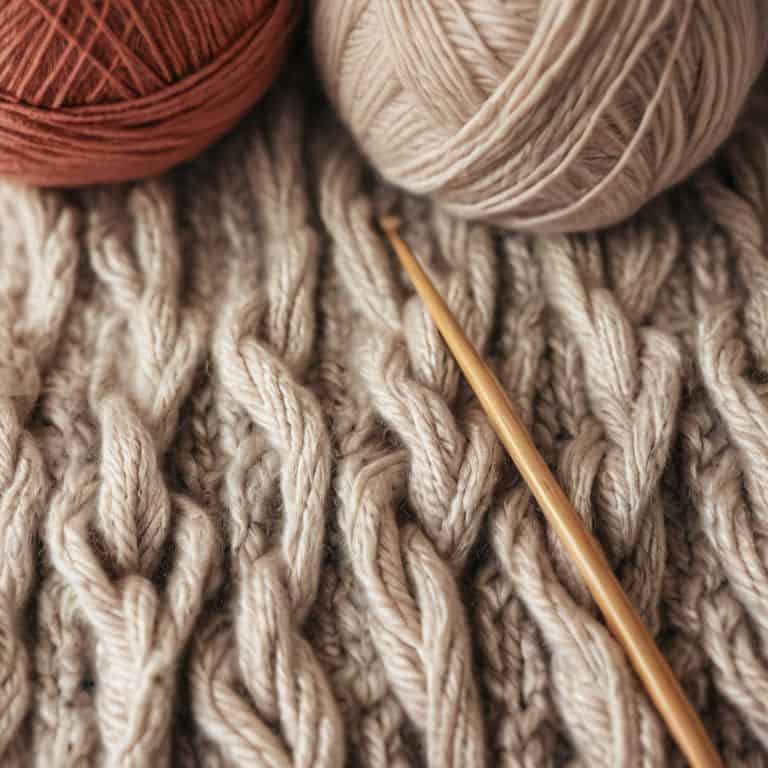
As we delve deeper into the world of knitting in the round, it’s essential to find a rhythm that works for you. Knitting in harmony with your circular needles means understanding how to balance tension and stitch count. I’ve found that circular needle knitting patterns can be incredibly versatile, allowing for a wide range of creative expression. From intricate cable designs to vibrant fair isle motifs, the possibilities are endless.
When working on knitting projects, especially for beginners, it’s crucial to choose patterns that promote a sense of calm and focus. Double pointed needle alternatives, like circular needles, can be a game-changer for those struggling with traditional methods. By embracing the fluid motion of circular needle knitting, you’ll be able to create beautiful, seamless pieces that showcase your skills. For instance, knitting hat patterns for circular needles can be a great starting point, as they require minimal shaping and allow you to focus on the joy of knitting.
As you become more comfortable with knitting in the round, you can start to experiment with more complex techniques, such as fair isle knitting in the round. This traditional method involves working with multiple colors to create stunning, multi-colored designs. With practice and patience, you’ll be able to master the art of knitting in harmony, creating gorgeous, professional-looking pieces that reflect your unique style and creativity.
Circular Needle Knitting Patterns Unveiled
As we continue to knit in harmony, let’s explore some of my favorite circular needle patterns that will elevate your projects to the next level. From the subtle texture of the Herringbone stitch to the whimsical cables of the Braided pattern, each design invites a sense of flow and connection with the yarn. I adore how these patterns seem to dance across the fabric, creating a sense of movement and life.
With circular needles, the possibilities are endless, and I’m excited to share some of my own designs with you, including the Meadow Mist scarf and the Woodland hat. These patterns are designed to be both soothing to knit and beautiful to wear, perfect for beginners and experienced knitters alike.
Fair Isle Knitting in the Round Secrets
As we delve deeper into knitting in harmony, I want to share with you my passion for Fair Isle knitting in the round. There’s something truly magical about creating intricate, multi-colored patterns that seem to dance across your fabric. To achieve this, it’s essential to keep your tension even and your yarn tails organized. I like to use a gentle touch and a consistent rhythm to ensure my stitches are uniform and my colors blend seamlessly.
When working with multiple colors, I find it helpful to use a yarn needle to weave in ends as I go, keeping my work neat and preventing tangles. This technique allows me to focus on the beauty of the Fair Isle pattern, watching as the colors intersect and merge in a beautiful, rounded canvas. With practice and patience, you’ll be creating stunning, professional-looking Fair Isle designs in no time, and the sense of accomplishment will be utterly rewarding.
Weaving Wisdom: 5 Essential Tips for Knitting in the Round
- Choose the right circular needles for your project, considering the size, material, and cable length to ensure a comfortable knitting experience
- Swatch, swatch, swatch – it’s crucial to test your yarn and needles to achieve the perfect tension and gauge for a professional finish
- Joining in the round can be tricky, so make sure to leave a tail long enough to weave in ends and use a stitch marker to keep track of your place
- Keep your stitches organized by using a lifeline or a spare needle to hold your work, especially when trying out new patterns or techniques
- Don’t be afraid to experiment with different yarn weights and colors to add texture and visual interest to your knitting in the round projects
Weaving It All Together: 3 Essential Takeaways
Embracing the rhythm of knitting in the round with circular needles can unlock a world of creative possibilities, from cozy sweaters to intricate Fair Isle patterns.
By mastering the art of knitting in harmony, you’ll not only create beautiful, timeless pieces but also cultivate a sense of mindfulness and calm in the process.
Whether you’re a seasoned knitter or just beginning your journey, remembering to breathe, relax, and enjoy the meditative flow of yarn and needles will make all the difference in bringing your knitting visions to life.
Embracing the Joy of Knitting in the Round
As we wrap our yarn around the circular needles, we’re not just casting stitches, we’re weaving moments of peace, creativity, and connection into every row.
Clara Meadows
Weaving a Lasting Spell
As we come to the end of our journey through the world of knitting in the round on circular needles, let’s take a moment to reflect on the key takeaways from our guide. We’ve explored the basics of circular needle knitting, delved into the harmony of knitting in the round, and even uncovered some secrets of Fair Isle knitting. Remember, the art of knitting is not just about creating something beautiful, but also about the journey itself, the process of turning yarn into a warm and cozy piece that tells a story. By mastering the skills outlined in this guide, you’ll be well on your way to creating your own unique, handmade treasures.
As you put down your needles and admire your latest creation, I hope you feel a sense of pride and accomplishment. Knitting in the round on circular needles is a skill that opens doors to a world of creative possibilities. So, go ahead, experiment with new patterns, try out different yarns, and don’t be afraid to make mistakes – they’re all part of the knitting journey. Happy knitting, and I look forward to seeing the beautiful things you create!
Frequently Asked Questions
What are the best types of yarn to use when knitting in the round with circular needles?
For knitting in the round, I adore using yarns with a bit of texture and drape, like merino wool or blends with a touch of silk or alpaca. These yarns showcase the beauty of circular knitting and create garments that are both cozy and elegant.
How do I prevent laddering or gaps when joining rounds in circular needle knitting?
To prevent laddering or gaps when joining rounds, I swear by the simple “pick up and knit” method. When you reach the end of the round, just pick up the first stitch of the next round and knit it together with the last stitch – it’s like a little hug for your stitches, keeping everything snug and even.
Can I use circular needles to knit Fair Isle patterns in the round, and if so, what are some tips for managing multiple colors?
Absolutely, circular needles are perfect for Fair Isle knitting in the round. To manage multiple colors, I recommend using a color chart, carrying yarn up the inside of your work, and twisting stitches to avoid visible strands. It’s also helpful to use a yarn needle to weave in ends as you go, keeping your work tidy and organized.
