
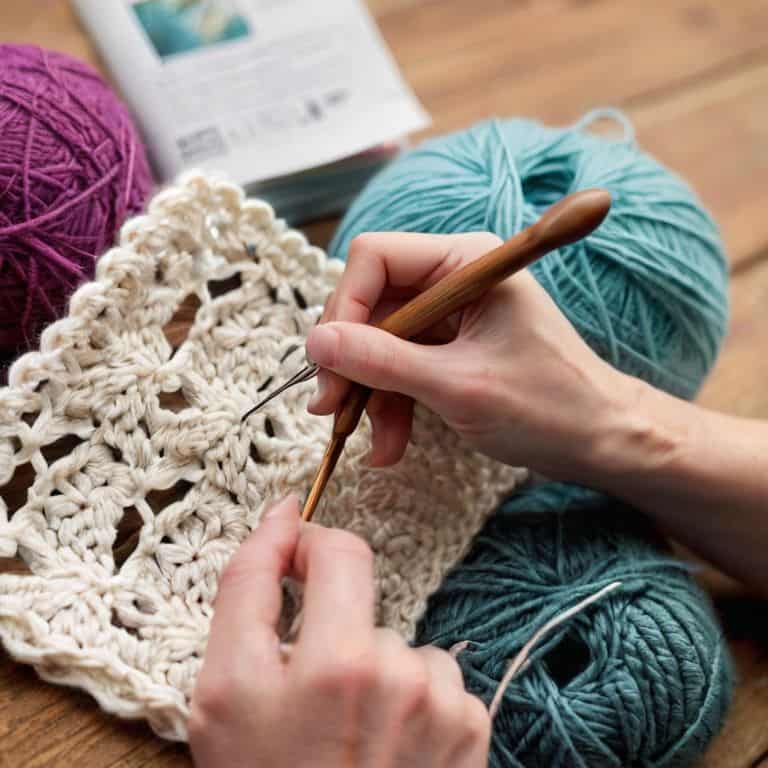
I still remember the first time I tried to read a crochet pattern – it was like deciphering a secret code. I had always been fascinated by the world of crochet, but the thought of navigating through a complex pattern filled me with anxiety. As a librarian and a craft instructor, I’ve seen many beginners struggle with the same issue. The common myth that you need to be an expert to read a crochet pattern can be overwhelming, but I’m here to tell you that it’s simply not true. With a clear and simple approach, anyone can learn how to read a crochet pattern and start creating something beautiful.
As we embark on this journey together, I promise to guide you through every step of the process with _practical advice_ and easy-to-follow instructions. You’ll learn how to break down a crochet pattern into manageable parts, understand the terminology, and start crocheting with confidence. My goal is to provide you with a _foolproof guide_ that will help you overcome any obstacles and enjoy the process of creating something with your own hands. By the end of this article, you’ll be equipped with the knowledge and skills to read a crochet pattern like a pro and start exploring the wonderful world of crochet.
Table of Contents
Guide Overview: What You'll Need
Total Time: 1 hour 15 minutes
Estimated Cost: $0 – $10
Difficulty Level: Easy
Tools Required
- Crochet Pattern (printed or digital)
- Pen or Pencil (for note-taking)
Supplies & Materials
- Crochet Hook (for practice)
- Yarn (for practice, about 10 yards)
- Measuring Tape (for measuring work in inches)
Step-by-Step Instructions
- 1. First, let’s start by understanding the basic components of a crochet pattern. Take a look at the pattern you want to work with and familiarize yourself with the different sections, such as the materials list, gauge information, and stitch instructions. Don’t worry if it looks overwhelming at first; we’ll break it down together.
- 2. Next, read through the materials list carefully and make sure you have all the necessary supplies, including the right type of yarn, hook size, and any other notions required for the project. It’s essential to have everything you need before starting, as this will save you time and frustration in the long run.
- 3. Now, let’s move on to the gauge information. Gauge is crucial in crochet, as it determines the size and fit of your finished project. Take a few minutes to understand the gauge swatch and how to measure it accurately. This will ensure that your project turns out the right size and has the desired texture.
- 4. With your materials and gauge in check, it’s time to start reading the stitch instructions. Begin by identifying the different stitches used in the pattern, such as single crochet, half double crochet, or double crochet. Take note of any special stitches or techniques required, and don’t hesitate to look up tutorials or videos if you’re unsure.
- 5. As you start working on your project, pay attention to the stitch count and make sure you’re maintaining the correct number of stitches in each row or round. This is where many beginners go wrong, but don’t worry, it’s an easy mistake to fix. Simply count your stitches regularly and adjust as needed to ensure your project lies flat and even.
- 6. Next, let’s talk about pattern abbreviations. Most crochet patterns use standardized abbreviations to save space and make the instructions more concise. Take a few minutes to familiarize yourself with common abbreviations, such as “ch” for chain, “sc” for single crochet, or “st” for stitch. This will help you read the pattern more efficiently and avoid confusion.
- 7. Finally, don’t be afraid to mark up your pattern as you go along. Use sticky notes, highlighters, or pens to mark important instructions, note your progress, or indicate any changes you make to the original pattern. This will help you stay organized and ensure that you don’t miss any critical steps or details.
Crack the Code How to Read a Crochet Pattern
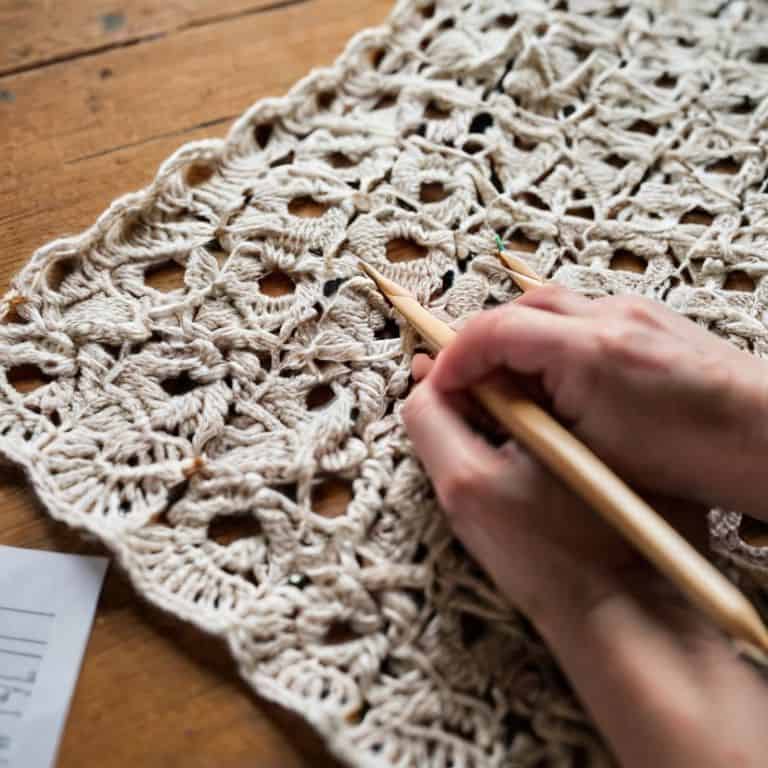
As we dive deeper into the world of crochet, it’s essential to develop a strong foundation in understanding crochet terminology. This will help you navigate even the most complex patterns with ease. I like to think of it as learning a new language – once you grasp the basics, you’ll be amazed at how quickly you can pick up new skills. To start, let’s focus on deciphering crochet charts and graphs, which can seem intimidating at first, but are actually a powerful tool for visualizing your project.
When working with patterns, it’s not uncommon to come across common crochet pattern mistakes. Don’t worry, these are easy to avoid once you know what to look out for. One of the most frequent errors is misinterpreting crochet pattern symbols, which can be confusing if you’re new to the craft. To avoid this, I recommend creating a crochet pattern symbols dictionary to refer to as you work through your project. This will help you stay organized and ensure that your finished product turns out as intended.
As you become more comfortable reading patterns, you may encounter situations where you need to convert US to UK crochet terms. This can be a bit tricky, but with practice, you’ll become proficient in no time. My advice is to take it one step at a time, and don’t be afraid to ask for help if you get stuck. With patience and persistence, you’ll be well on your way to mastering even the most complex crochet patterns.
Deciphering Crochet Charts With Ease
Now that we’ve cracked the code of reading crochet patterns, let’s dive into the world of crochet charts. These visual representations of stitches and patterns can seem intimidating at first, but trust me, they’re a breeze to decipher once you know the basics. Think of them as a map to your crochet project, guiding you through each stitch and row with clarity and precision.
To start, look for the key or legend provided with the chart, which explains what each symbol represents. Then, follow the chart row by row, working from the bottom up. It’s essential to pay attention to the stitch count and any repeats or decreases indicated on the chart. With practice, you’ll become comfortable reading these charts and creating beautiful, intricate designs with ease. Remember, it’s all about breaking it down into simple, manageable steps – and I’m here to guide you every step of the way.
Understanding Crochet Terminology Made Simple
To truly master crochet patterns, it’s essential to grasp the terminology used. Don’t worry, it’s not as daunting as it seems! I like to think of crochet terms as a secret language that, once deciphered, unlocks a world of creative possibilities. Let’s break it down together: we’ll start with the basics like “chain,” “single crochet,” and “stitch.” I’ll provide you with a simple, at-a-glance guide to reference whenever you need it.
As we explore crochet terminology, remember that each term has a specific meaning and function within a pattern. By understanding these terms, you’ll be able to confidently read and work through even the most complex patterns. I’ll walk you through each term, explaining it in a way that’s easy to grasp, so you can focus on the fun part – creating something beautiful with yarn!
5 Essential Tips to Mastering Crochet Patterns
- Start by reading the pattern from top to bottom, taking note of the materials, tools, and gauge information to ensure you’re properly prepared
- Pay attention to the stitch abbreviations and terminology used in the pattern, and don’t be afraid to look up any unfamiliar terms or symbols
- Use a highlighter or colored pencil to mark important information, such as stitch repeats, pattern changes, or special instructions, to help you stay on track
- Break down complex patterns into smaller, manageable sections, and work through each one step-by-step to avoid feeling overwhelmed
- Practice, practice, practice – don’t be discouraged if you encounter mistakes or difficulties at first, as the more you work with crochet patterns, the more comfortable and confident you’ll become
Key Takeaways to Unlock Your Crochet Potential
Mastering the art of reading crochet patterns is a skill that can be learned with patience and practice, and by breaking it down into simple, manageable steps, you’ll be creating beautiful projects in no time
Understanding crochet charts and terminology is crucial, but with a clear guide, you can decipher even the most complex patterns and turn them into stunning creations
By following a step-by-step approach and taking the time to understand each component of a crochet pattern, you’ll gain the confidence to tackle any project, from beginner-friendly scarves to intricate lace shawls, and enjoy the therapeutic journey of making something with your own hands
Conclusion: You're Now a Crochet Pattern Pro!
As we’ve worked through this guide together, I hope you’ve seen how breaking down the process into manageable steps can make reading a crochet pattern feel almost effortless. We’ve covered the basics of deciphering crochet charts, understanding the terminology, and walking through each part of a pattern with clarity. By now, you should feel confident in your ability to approach any pattern with a sense of calm and curiosity, rather than intimidation. Remember, the key to success lies in taking it one step at a time and not being afraid to refer back to the instructions or seek help when you need it.
Now, as you embark on your crochet journey, I want to leave you with a final thought: the true magic of crochet lies not just in the finished product, but in the journey itself. The stitches, the yarn, the patterns – they’re all tools that help you tell a story, one row at a time. So, don’t be afraid to experiment and make mistakes – they’re an integral part of the learning process, and often lead to beautiful, unexpected surprises. With patience, practice, and a willingness to learn, you’ll find that reading crochet patterns becomes second nature, and the world of crochet opens up to you in ways you never thought possible.
Frequently Asked Questions
What if the crochet pattern I'm using has abbreviations I've never seen before, how do I figure out what they mean?
Don’t worry, it’s easy to decipher unfamiliar abbreviations. Simply look for a key or glossary within the pattern, usually at the beginning or end. This will explain what each abbreviation stands for. If you’re still stuck, you can also consult a reliable crochet resource or website for a comprehensive list of common abbreviations.
How do I know which crochet hook size to use if the pattern doesn't specify it?
Don’t worry, it’s easy to figure out. If the pattern doesn’t specify a hook size, you can usually find a recommended range on the yarn label. You can also check the pattern’s gauge swatch information to estimate the best hook size for the desired fabric type. Let me walk you through it step by step.
What's the best way to keep track of my place in a complex crochet pattern with multiple repeats and variations?
To keep track of your place in a complex crochet pattern, I recommend using a combination of techniques: highlight or underline the current row, use a row counter or a sticky note to mark your spot, and create a checklist of completed repeats and variations.
