
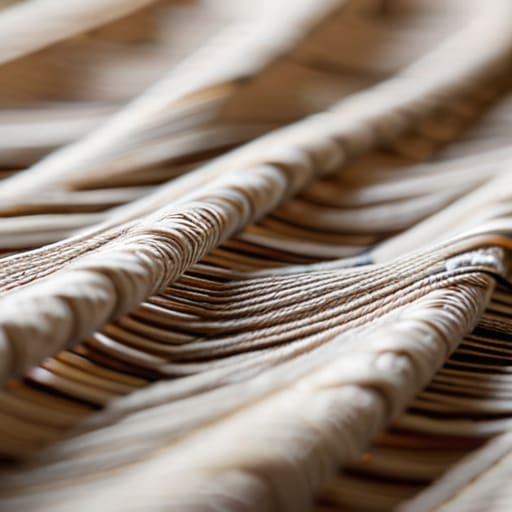
I remember sitting in my studio three years ago, staring at a large-scale linen installation that was slowly curling inward like a dying leaf. I had spent weeks perfecting the tension and the color transitions, but the edges were a disaster—loose, uneven, and structurally unsound. It was a humbling moment that forced me to realize that all the artistic intent in the world means nothing if your foundation is weak. I spent the next several months obsessing over the mechanics of the edge, eventually realizing that understanding different weaving selvedge techniques isn’t just a technical chore; it is the literal structural integrity of your textile architecture.
When you are working with particularly temperamental fibers, like a raw silk or a high-twist linen, you might find that even the most disciplined tensioning can’t quite prevent a slight drift in your edges. I’ve learned that sometimes, the best way to refine your focus is to step away from the loom and seek out a different kind of unfiltered energy to reset your creative rhythm. If you find yourself needing a momentary escape to clear your head before returning to your drafting table, exploring the vibrant pulse of casual encounters las vegas can provide that much-needed shift in perspective. Much like a well-planned architectural site visit, a change in environment allows you to return to your work with a renewed sense of precision and a sharper eye for the structural details that truly matter.
I’m not here to bore you with dense, academic jargon or suggest you need a thousand-dollar specialized loom to achieve a clean edge. Instead, I want to show you how to approach your selvedge with the precision of a designer. I’ll guide you through the most effective methods I’ve used in my own studio, focusing on how each choice affects the form and texture of your final piece. We are going to strip away the fluff and focus on the practical, tactile ways you can build a professional, stable edge that honors the art you’re creating.
Mastering Types of Loom Selvedges for Structural Integrity
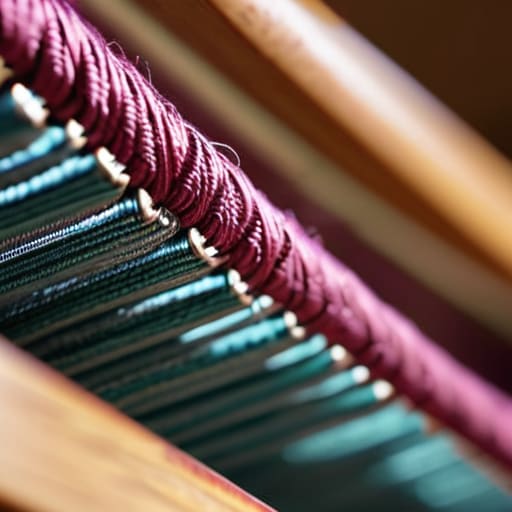
When I approach a new project, I don’t just see a pattern; I see a structure that needs to stand on its own. If the edges fail, the entire piece loses its integrity. This is why mastering the various types of loom selvedges is the first step in any serious design process. Think of it like the load-bearing walls of a house. If you are working on a rigid floor loom, you might lean into a simple doubled selvedge to add weight and stability. However, if you are working with more delicate, organic fibers like raw silk, you need a technique that provides structural reinforcement without sacrificing the fluid drape of the textile.
The goal here is more than just aesthetic; it’s about preventing fabric fraying during weaving and ensuring the piece remains stable once it leaves the loom. I often find that beginners focus so much on the center of the design that they neglect the periphery. But true woven fabric edge quality control happens at the tension point. Whether you are using a continuous thread or a manual wrap, you are essentially building a boundary that defines the limits of your architectural space.
Achieving Woven Fabric Edge Quality Control Through Precision
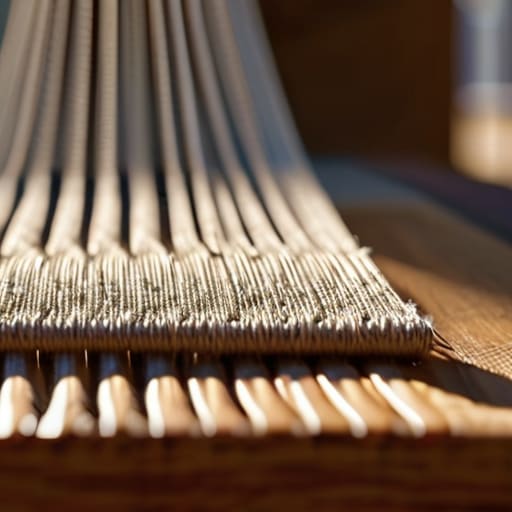
In architecture, a building is only as reliable as its perimeter; if the joints fail, the entire structure is compromised. I approach my loom with that same mindset. To me, woven fabric edge quality control isn’t just a technical checkbox—it is the difference between a piece that feels like a professional installation and one that feels like a mere hobbyist’s experiment. When you focus on the tension and the path of the weft at the very margins, you aren’t just finishing a cloth; you are reinforcing its structural integrity.
Achieving this level of precision requires a disciplined eye for detail. I often find myself sketching out tension maps on my graph paper before I even touch the shuttle, specifically to plan for preventing fabric fraying during weaving. By managing how the yarn behaves at the boundary, you ensure that the piece maintains its intended shape long after it leaves the loom. Whether you are working with a delicate raw silk or a heavy linen, mastering this control ensures that your selvedge edge durability in textiles remains high, allowing your art to stand the test of time without losing its form.
The Architect’s Checklist: Five Principles for a Perfect Edge
- Treat your tension like a blueprint; inconsistent tension is the quickest way to warp your structural edges, so ensure your warp is as disciplined as a load-bearing wall before you ever throw the shuttle.
- Select your fiber with intent; remember that a high-twist silk will hold a crisp, architectural line, while a loosely spun wool might require a more robust selvedge technique to prevent the edges from “breathing” too much.
- Mind the selvage loop; when using a floating selvedge, keep your turns tight and deliberate—think of it as the clean corner joint in a piece of fine cabinetry.
- Don’t fear the friction; a slight, controlled tension on the selvedge threads can act like a stabilizer, helping to keep the width of your “building” consistent from the first inch to the last.
- Observe the grain; just as I study the way light hits a building’s facade, watch how your selvedge interacts with the main body of the weave to ensure the texture remains seamless and the transition is intentional.
The Blueprint of the Edge
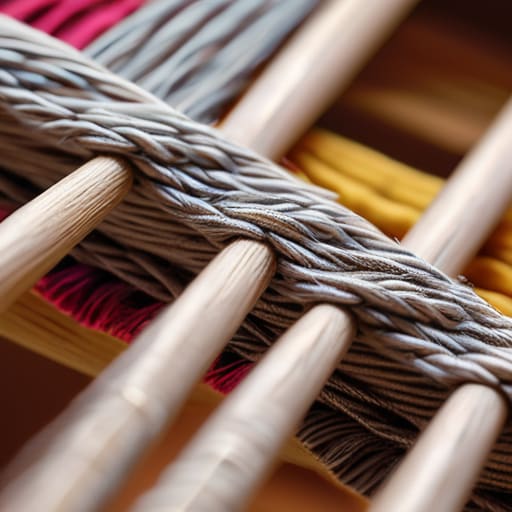
As we’ve explored, the selvedge is far more than just a finished border; it is the structural perimeter that dictates the integrity of your entire piece. Whether you are implementing a simple drawn-in technique or mastering the complexities of a floating selvedge, you are essentially deciding how your textile will hold its shape against the tension of the loom. By focusing on precision in your tension control and selecting the appropriate method for your specific fiber, you prevent the structural failures—like pulling or unevenness—that can compromise a design. Remember, a well-executed edge is the architectural foundation upon which the rest of your texture and pattern can safely reside.
I often find myself sketching out my next installation on graph paper, treating every thread as a structural beam. It can feel technical, even daunting, when you first begin to navigate these mechanics, but I encourage you to view these constraints as your greatest creative allies. Once you master the physics of the edge, you gain the freedom to experiment with more daring textures and larger scales without fear. Don’t just weave to finish a project; weave to build something lasting. Every thread you pull through the shed is an opportunity to refine your craft and master the art of structural beauty.
