
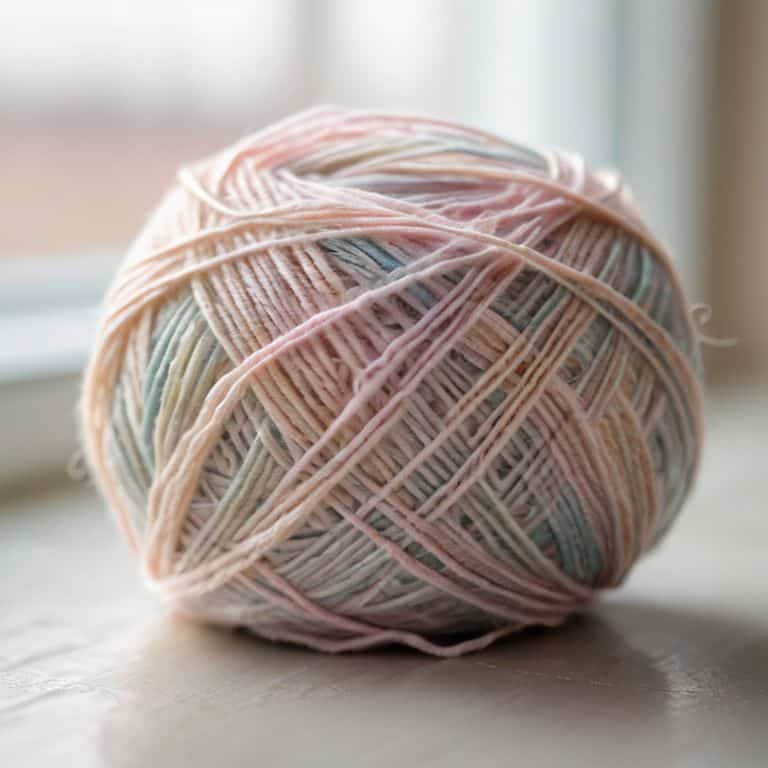
I still remember the first time I encountered what does fingering weight yarn mean – it was like trying to decipher a secret code. As a seasoned yarn store owner, I’ve seen my fair share of confusion when it comes to yarn weights and types. The truth is, most of us have been there: standing in front of a yarn shelf, wondering what sets fingering weight apart from the rest. It’s a question that has sparked many a debate among crafty friends, and one that I’m excited to tackle head-on.
In this article, I promise to cut through the noise and give you the lowdown on fingering weight yarn. I’ll share my own experiences, gained from years of working with various yarns, to help you understand what fingering weight yarn is all about. You can expect honest, no-nonsense advice on how to choose the right yarn for your projects, and what to look out for when it comes to durability and value for money. My goal is to empower you with the knowledge to make informed decisions, so you can focus on what really matters – creating something beautiful with your own two hands.
Table of Contents
- Decoding Fingering Weight
- Working With Fingering Weight
- 5 Essential Insights to Unlock the Secrets of Fingering Weight Yarn
- Key Takeaways for Choosing the Right Fingering Weight Yarn
- The Essence of Fingering Weight
- Conclusion: Unraveling the Mysteries of Fingering Weight Yarn
- Frequently Asked Questions
Decoding Fingering Weight

To truly understand fingering weight yarn, it’s essential to delve into its definition and how it compares to other yarn weights. Fingering weight yarn is a type of yarn that falls within a specific range of thickness, typically measured in wraps per inch (WPI) or yards per pound. This weight is often used for garments that require dexterity and flexibility, such as socks, gloves, and lace shawls.
When comparing fingering weight to worsted weight yarn, the main difference lies in their thickness and the resulting fabric density. Fingering weight yarn is much finer, producing a lighter, more airy fabric, whereas worsted weight yarn is thicker and yields a denser fabric. Understanding this distinction is crucial for choosing the right yarn for your project. A yarn weight conversion chart can be a valuable tool in navigating these differences and ensuring that you select a suitable substitute if needed.
In the context of understanding yarn labels and weights, it’s vital to recognize that fingering weight yarn can be a versatile choice for various projects, including those typically reserved for thicker yarns. By grasping the relationship between yarn weight and gauge, you can confidently experiment with different patterns and yarns, including fingering weight yarn substitutes, to achieve the desired texture and drape in your finished pieces.
Fingering vs Worsteds Key Differences
When it comes to choosing the right yarn, understanding the differences between fingering and worsted weights is crucial. Fiber content plays a significant role in determining the overall drape and texture of your project. Fingering weight yarns tend to be more suited for garments that require a soft, gentle drape, such as lace shawls or baby blankets.
In contrast, worsted weight yarns are often more durable and better suited for projects that require structure and stability, like sweaters or hats. This key difference can make or break the success of your project, and it’s essential to consider the intended use and desired texture when selecting between fingering and worsted weight yarns.
What Does Fingering Weight Yarn Mean
When I think about yarn weight systems, I’m reminded of how often they can be confusing, even for experienced makers. Fingering weight yarn, in particular, is a term that’s often thrown around, but what does it really mean? In essence, fingering weight refers to a specific category of yarn that’s typically used for knitting or crocheting intricate, detailed projects.
For me, the key to understanding fingering weight yarn lies in its fiber composition, which can greatly impact the final result of a project. Whether you’re working with wool, cotton, or a blend, the type of fiber used will affect the yarn’s durability, drape, and overall texture.
Working With Fingering Weight
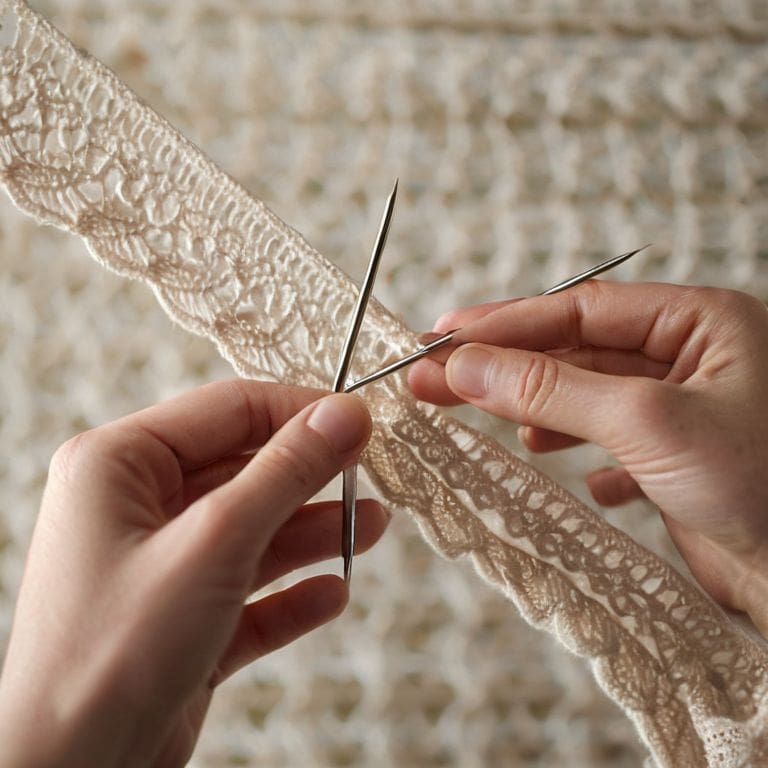
When it comes to working with fingering weight yarn, the key to success lies in understanding its unique characteristics. As a seasoned maker, I can attest that this weight of yarn is perfect for creating intricate, lace-like patterns that showcase its drape and texture. However, it’s essential to choose the right needles and techniques to bring out the best in your project.
One of the most critical factors to consider is the yarn weight and gauge relationship. Fingering weight yarn typically requires smaller needles to achieve the desired tension, which can be a challenge for beginners. To overcome this, I recommend swatching extensively and using a yarn weight conversion chart to ensure that your project will have the right drape and fit. By doing so, you’ll be able to create beautiful, professional-looking pieces that will stand the test of time.
For those new to working with fingering weight yarn, I suggest starting with simple fingering weight yarn projects for beginners, such as scarves or hats. These types of projects allow you to get a feel for the yarn’s behavior and experiment with different stitches and techniques. As you become more confident, you can move on to more complex projects that showcase the full potential of this versatile yarn weight.
Fingering Weight Projects for Beginners
When it comes to beginner-friendly projects, fingering weight yarn is an excellent choice for those new to knitting or crochet. It’s perfect for creating delicate, lacy pieces like scarves, hats, or baby blankets. I’ve found that these types of projects are not only beautiful but also help build confidence in one’s skills.
For those just starting out, simple stitch patterns are the way to go. They allow you to get a feel for the yarn and your needles or hook without getting overwhelmed by complex designs. I’ve seen many beginners start with a simple fingering weight scarf and then move on to more intricate projects, and it’s a great way to build your skills and portfolio.
Yarn Weight Conversion Made Easy
When it comes to substituting yarns, yarn weight conversion can be a daunting task, especially for beginners. To make things simpler, I always recommend referring to a yarn weight conversion chart, which can be found online or in most knitting pattern books. This handy tool allows you to compare the weight of different yarns and find suitable substitutes for your project.
I’ve found that swatching beforehand is crucial to ensure a successful yarn weight conversion. By taking the time to swatch your yarn, you can get an accurate gauge and make any necessary adjustments before starting your project. This step may seem tedious, but trust me, it’s worth the extra effort to avoid any potential disasters down the line.
5 Essential Insights to Unlock the Secrets of Fingering Weight Yarn
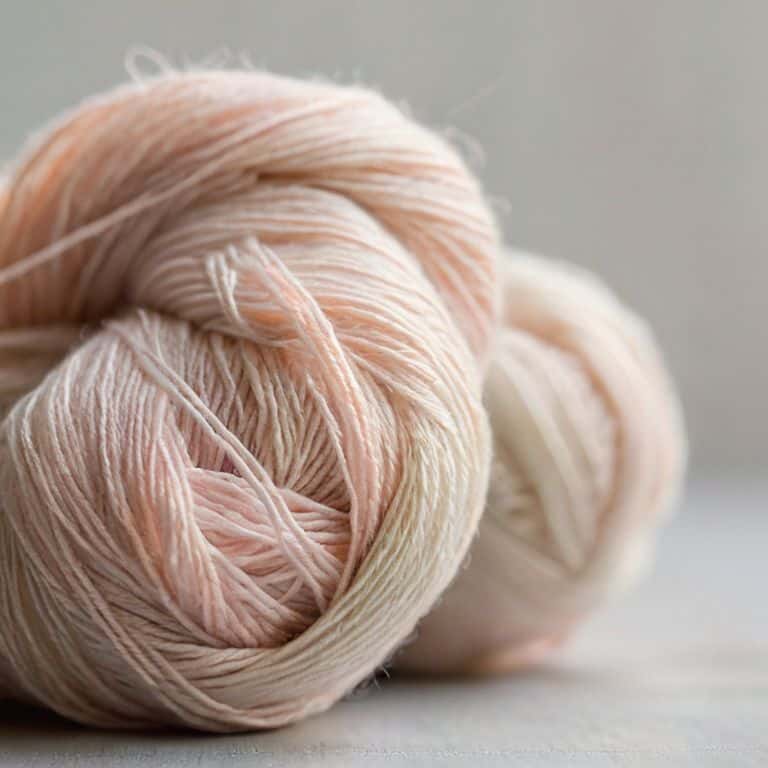
- Understand the yarn weight system: Fingering weight yarn falls within the 10-14 stitches per 4-inch gauge range, making it perfect for intricate lace, socks, and baby garments
- Consider the fiber content: Fingering weight yarns can be made from a variety of fibers, such as merino wool, cashmere, or plant-based options like cotton or linen, each with its own unique characteristics and care requirements
- Be mindful of twist and ply: The twist and ply of fingering weight yarn can greatly impact its durability and texture, with tightly twisted yarns often producing a more dense fabric and loosely twisted yarns creating a softer, more open weave
- Don’t forget about color: Fingering weight yarns are available in a vast array of colors, from subtle pastels to rich jewel tones, and selecting the right hue can make or break the overall aesthetic of your project
- Swatch, swatch, swatch: Always swatch your fingering weight yarn before starting a project to ensure the desired gauge and to get a sense of how the yarn will behave, as this can save you from potential heartache and frustration down the line
Key Takeaways for Choosing the Right Fingering Weight Yarn
Understanding the nuances of fingering weight yarn is crucial for selecting the perfect fiber for your project, considering factors such as drape, stitch definition, and durability
Fingering weight yarns can vary significantly in terms of fiber content, twist, and colorfastness, making it essential to swatch and test yarns before committing to a large project
By recognizing the differences between fingering weight and other yarn weights, such as worsted, and mastering yarn weight conversion, makers can unlock a wider range of creative possibilities and ensure their finished projects meet their expectations
The Essence of Fingering Weight
To me, fingering weight yarn isn’t just a measurement – it’s a promise of versatility, drape, and a certain je ne sais quoi that can elevate a project from ordinary to extraordinary, and that’s what makes it so compelling to work with.
Audrey Vance
Conclusion: Unraveling the Mysteries of Fingering Weight Yarn
As we’ve explored the world of fingering weight yarn, it’s clear that understanding its nuances is key to unlocking a wide range of creative possibilities. From decoding yarn labels to navigating the differences between fingering and worsted yarns, being informed is the first step towards making beautiful, lasting projects. We’ve also discussed how to easily convert between yarn weights and identified some fantastic projects for beginners looking to dip their toes into the world of fingering weight yarn. By grasping these fundamentals, you’ll be well on your way to becoming a confident and skilled maker.
As you embark on your next project, remember that the true beauty of working with fingering weight yarn lies in its versatility and the opportunity to create something truly unique. Whether you’re a seasoned pro or just starting out, don’t be afraid to experiment and push the boundaries of what’s possible. With patience, practice, and a deep understanding of your materials, you’ll be able to craft pieces that are not only stunning but also timeless.
Frequently Asked Questions
How does fingering weight yarn compare to other yarn weights in terms of durability and longevity?
In my experience, fingering weight yarns tend to be more prone to pilling and wear than thicker weights, but a high-quality fiber blend can make all the difference. I’ve found that yarns with a bit of nylon or silk can add durability, while those with superwash wool or alpaca can be surprisingly resilient.
Can fingering weight yarn be used for projects that require a lot of structure and stability, or is it better suited for lacy or delicate items?
While fingering weight yarn is often associated with lacy patterns, it can be used for structured projects, but it may not provide the stability you need. I’ve found that it’s better suited for garments that drape, like shawls or socks, rather than heavily cabled or textured items that require more substance.
Are there any specific fiber types that are well-suited to fingering weight yarn, and do they affect the overall performance and appearance of the finished project?
In my experience, fibers like merino wool, cashmere, and silk thrive in fingering weight yarns, offering excellent drape and texture. These natural fibers tend to wear beautifully, with minimal pilling, and showcase subtle color variations. I’ve found that they’re ideal for garments that require both softness and durability, like lace shawls or fine-gauge sweaters.
