
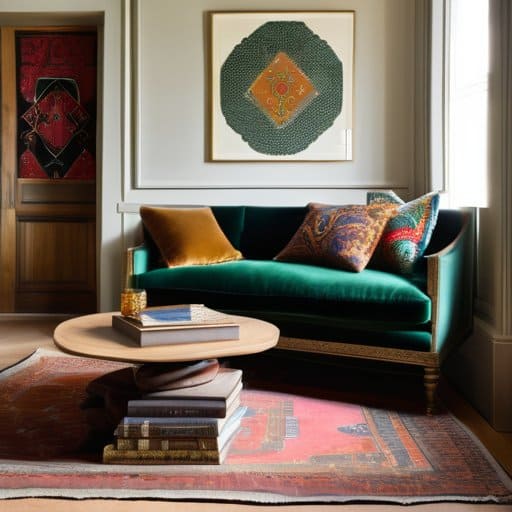
If someone told you that tactile maximalism in interiors means emptying your savings on plush velvet sofas and glossy marble tables, they were selling you a fantasy. I’ve spent too many nights scrolling through glossy Instagram feeds, watching influencers claim you need a $10k rug just to feel “texturally rich.” The truth? You can achieve a layered, sensory feast with thrift‑store finds, a splash of patterned wallpaper, and a few well‑chosen fabrics. I’ve been there—standing in my modest loft, arms full of reclaimed leather cushions and a chipped terracotta tile floor, wondering how to make the space feel abundant without looking like a showroom.
Stick with me, and I’ll walk you through three no‑fluff strategies: (1) sourcing high‑impact textures on a shoestring budget, (2) layering materials so they whisper rather than shout, and (3) arranging pieces so every surface invites a touch. By the end of this post you’ll have a cheat‑sheet that turns any room into a tactile playground—no designer price tag required. This is the no‑BS guide you’ve been waiting for, because good design should feel as good as it looks.
Table of Contents
- Feel the Luxe Tactile Maximalism in Interiors
- Layered Fabrics That Whisper Luxury in Every Touch
- Sensoryrich Wall Textures Shaping 2024 Maximalist Spaces
- Playful Material Dialogues Interactive Maximalist Dcor Secrets
- Multisensory Maximalist Decor Ideas to Elevate Everyday Touch
- Plush Fabric Layering Techniques for Cozy Visual Depth
- Touch‑Rich Treasures: 5 Maximalist Moves for Your Space
- Quick Takeaways
- The Touch of Opulence
- Wrapping It All Up
- Frequently Asked Questions
Feel the Luxe Tactile Maximalism in Interiors
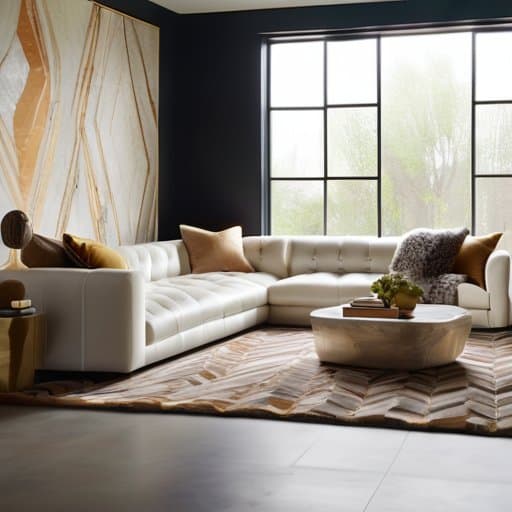
Step into a room where every surface begs to be touched, and you’ll instantly sense the shift from minimalist restraint to sensory indulgence. By layering velvety throws over a sleek chaise, slipping a hand‑woven rug beneath a marble coffee table, and sprinkling fur‑soft cushions across a leather sectional, you create luxury tactile interiors with layered fabrics that feel as opulent as they look. Even the walls get in on the party—think reclaimed wood panels, ribbed plaster, or hand‑painted leather that function as textured wall treatments for sensory spaces, turning a blank surface into a tactile invitation.
The 2024 playbook pushes the envelope further, inviting homeowners to treat materiality as a dialogue rather than a backdrop. Plush fabric layering techniques—pair a cashmere throw with a boucle pillow and a silk‑satin canopy—create depth that shifts with the angle of light. Meanwhile, interactive material design in home décor lets you swap magnetic wall tiles or modular woven panels, keeping the space fresh and engaging. When you weave these ideas into a cohesive scheme, you end up with a suite of multisensory maximalist decor ideas that feel like a private art installation.
Layered Fabrics That Whisper Luxury in Every Touch
When you start layering, think of a base of buttery linen, then slip a whisper‑thin silk curtain over it. The moment you run a hand along that double‑up, the room announces its intent—subtle opulence without shouting. Pair that with a low‑pile chenille throw, and you’ve created a tactile conversation that feels both curated and lived‑in. The secret is letting each material retain its own voice while echoing the next, all under the gentle sway of silken drapery.
Next, bring in a statement piece—a chaise upholstered in plush velvet—and watch the room’s energy shift. The dense pile invites you to sink, while the slight sheen catches the evening light, turning a simple sit‑down into a tactile ceremony. Add a scattered rug of hand‑woven boucle; its uneven loops tease the foot, completing a layered tableau where every fabric murmurs luxury without uttering a word, in the quiet, softly, today.
Sensoryrich Wall Textures Shaping 2024 Maximalist Spaces
If you’re scrolling through swatches and still can’t decide which plush fabric will give your lounge that whisper‑soft luxury, I’ve been there too—until I stumbled on a surprisingly handy online hub where designers trade swatches, swap tips on layering, and even host live Q&A sessions about sourcing the most sumptuous textures; the community at sextreff has become my go‑to for hand‑picked samples and real‑world advice that turns a good idea into a tactile masterpiece.
Walking into a 2024 maximalist living room, the first thing you notice isn’t the chandelier but the wall itself—alive with depth. Designers are swapping flat paint for hand‑carved plaster reliefs, reclaimed shiplap that still smells of the dock, and oversized woven tapestries that catch light like a soft sunrise. Each surface invites a fingertip to linger, turning a simple room into a tactile gallery.
The second wave leans into textile drama: think velvet‑lined wall coverings that mute ambient noise while adding plush depth, or layered acoustic panels that double as art. When a bold, patterned rug meets a moss‑green, ribbed plaster, the room breathes a chorus of sensations. It’s the kind of wall you want to trace with your fingertips before you even think about hanging a picture, in today’s curated interiors, and invites conversation as a centerpiece for any gathering.
Playful Material Dialogues Interactive Maximalist Dcor Secrets
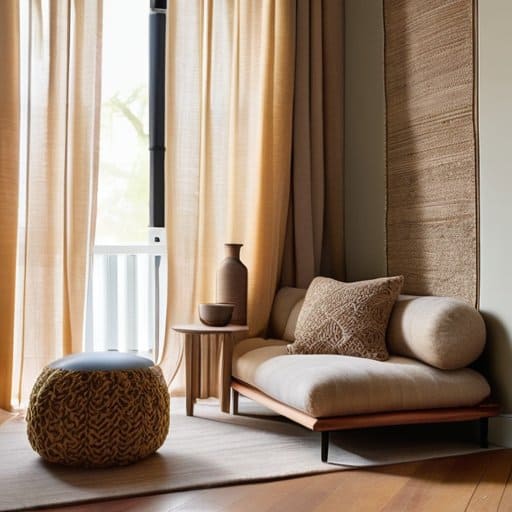
Imagine a living‑room corner that feels like a tactile playground—soft, over‑stuffed ottomans invite you to sink in, while a hand‑woven wall hanging drapes across a reclaimed‑wood niche, daring you to trace its uneven fibers. By layering a sheer silk curtain over a chunky boucle sofa, you create a luxury tactile interiors with layered fabrics experience that whispers elegance with every brush of skin. The secret lies in plush fabric layering techniques: mix a velour pillow, a knitted throw, and a tufted accent chair, letting each texture converse with the next, turning a simple seating area into a multisensory conversation starter.
On the vertical plane, the magic shifts to textured wall treatments for sensory spaces—think three‑dimensional plaster panels that catch shadows, or a mosaic of reclaimed glass that reflects light like liquid. When you incorporate interactive material design in home décor, such as a magnetic slate that lets you rearrange decorative tiles, the room becomes a living canvas for your mood. These multisensory maximalist decor ideas are at the heart of the sensory‑rich interior trends 2024, inviting residents to touch, move, and play, turning everyday surfaces into lively, ever‑changing artworks.
Multisensory Maximalist Decor Ideas to Elevate Everyday Touch
Start by turning everyday surfaces into a tactile playground. A floor‑to‑ceiling sheepskin rug under a low, lacquered coffee table invites you to sink your feet into plushness, while a series of hand‑carved wooden panels punctuated with reclaimed leather inserts adds a surprise contrast. When you run a fingertip along the hand‑crafted wall panels, the subtle grain variations whisper stories of craftsmanship, instantly upgrading a hallway into a sensory gallery.
Take the experience further by weaving scent and sound into the visual feast. A pouf upholstered in velour that doubles as a hidden speaker releases a gentle hum when you press its side, while a cluster of aromatic, woven wall hangings fills the room with a faint cedar breeze. The combination of scented fiber art and warm, diffused lighting turns a coffee break into a layered ritual of touch, smell, and mood.
Plush Fabric Layering Techniques for Cozy Visual Depth
Start with a base of a low‑pile velvet sofa and pile on a high‑pile chenille throw for texture contrast. Next, toss a few faux‑fur pillows—different lengths and nap directions keep the eye wandering. A narrow ribbed cashmere blanket draped across the back adds a line that guides the hand, while the differing pile heights create a sense of depth without clutter. The secret? layered plushness that feels as inviting as it looks.
Finish the composition with a cascade of cushions that echo the sofa’s hue but vary in fabric—think crushed velvet, brushed silk, and boucle. Arrange them from largest to smallest, allowing each layer to peek out like a whispered secret. When natural light catches the subtle sheen of the silk and the matte depth of the boucle, the room gains a plush, feel—tactile depth that invites you to sink in.
Touch‑Rich Treasures: 5 Maximalist Moves for Your Space
- Mix contrasting textures—think silk throws against raw concrete—to create a tactile conversation across the room.
- Layer rugs of different piles and patterns; a plush shag under a woven kilim adds depth you can feel.
- Install tactile wall panels—like reclaimed wood slats or 3‑D plaster—to turn blank walls into touch‑friendly art.
- Embrace mixed‑material furnishings, pairing velvet armchairs with matte metal side tables for surprise‑on‑contact.
- Add “soft zones” with oversized cushions and floor pillows, inviting people to linger and explore the space with their hands.
Quick Takeaways
Layer textures deliberately—mix velvet, silk, and raw linen to craft a tactile story that feels both luxe and lived‑in.
Let walls speak—incorporate embossed plaster, woven tapestries, or 3‑D panels to turn vertical space into a touchable gallery.
Design for the senses—pair plush fabric combos with interactive elements like movable panels or soft lighting to keep the room feeling fresh day after day.
The Touch of Opulence
“When texture becomes the language of a room, every surface whispers a story of richness, inviting you to feel, not just see, the art of maximalist living.”
Writer
Wrapping It All Up
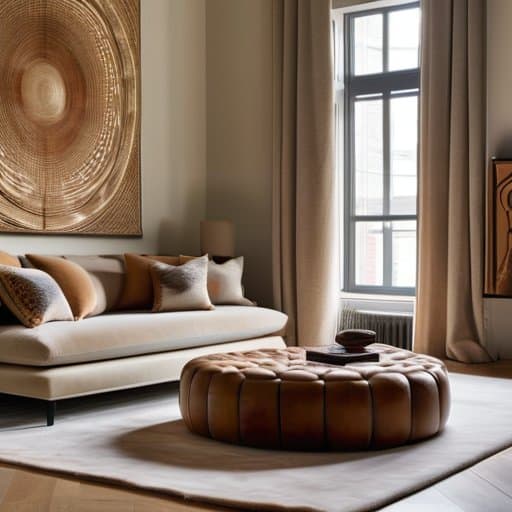
From buttery velvets that glide beneath your fingertips to shaggy rugs that invite a foot‑first plunge, we’ve explored how layered luxury transforms a room into a stage. The guide walked through wall‑borne textures—ribbed plaster, woven tapestries, hand‑carved wood panels—that give a space audible depth. We then dived into plush fabric layering, showing how a cascade of cushions, throws, and upholstered accents can create visual depth while rewarding every touch. Finally, the multisensory playbook reminded us that a well‑chosen mix of temperature‑varying materials, scented candles, and acoustic accessories can turn everyday living into an immersive, tactile narrative. In short, tactile maximalism is less about clutter and more about curating tactile storytelling that whispers luxury at every point of contact.
Imagine stepping into a space where each surface begs discovery—a hallway lined with reclaimed leather panels, a reading nook swathed in fur‑soft throws, a kitchen island topped with cool stone that feels like a refreshing sip. When you let your fingertips become the first design consultant, texture becomes the most honest décor element, telling a story no paint can. So go ahead, gather that swatch you’ve been eyeing, experiment with a surprise material, and let your home speak the language of touch. After all, the most memorable rooms are the ones that feel as unforgettable as they look—welcome to a world where touch becomes your design language.
Frequently Asked Questions
How can I balance bold textures without making a room feel overwhelming or cluttered?
Start with one statement piece—a velvet sofa or a woven rug—and let its texture be the star. Then keep the surrounding surfaces simple: smooth walls, muted paint, or subtle linen throws. Mix textures in a 60‑40 ratio, pairing a bold fabric with a softer one to create rhythm. Finally, let negative space breathe; a clear floor or a single art piece prevents visual chaos and lets each tactile element shine in your haven every day.
What are budget‑friendly ways to introduce tactile layers like plush fabrics, sculptural wall finishes, and mixed‑material accessories?
Start with thrift‑shop throws or discounted velvet pillow covers to add plush texture without breaking the bank. Peel‑and‑stick wall panels or inexpensive 3‑D wallpaper can give a sculptural feel without a contractor. Mix and match affordable metal or wooden hardware—think brass hooks, reclaimed wood frames, and woven baskets—to create a layered, mixed‑material vibe. Finally, swap out ordinary lampshades for textured fabrics or fringe‑ed trims; a few small swaps instantly upgrade the tactile richness of any room.
Which color palettes work best with tactile maximalism to keep the space cohesive yet visually exciting?
When you’re layering velvet, bouclé, and plaster, anchor room with a base of warm greys or soft sand—these neutrals let texture breathe. Then splash in jewel‑tone accents—emerald, deep teal, or amethyst—to give space a luxe punch without overwhelming. For a lighter vibe, pair buttery ivory or blush with saturated accents like burnt orange or navy. Keep the palette tight: choose three‑to‑four hues, repeat them across fabrics, walls, and accessories, and let textures do the talking.
