
I still remember the first time I encountered the term “what does yarn dye lot mean” in my knitting class. A student was frustrated because her yarn didn’t match, despite being the same color. The instructor brushed it off, saying it was just a minor variation, but I knew there had to be a more precise explanation. As a former librarian, I’ve always been drawn to the order and logic of systems, and the concept of yarn dye lots fascinated me. It’s amazing how something as simple as a number can make all the difference in your knitting project.
In this article, I promise to break down the mystery of “what does yarn dye lot mean” into simple, easy-to-follow language. I’ll share my own experiences and provide step-by-step guidance on how to understand and work with yarn dye lots. My goal is to empower you with the knowledge to make informed decisions about your yarn choices, without feeling overwhelmed by technical jargon. By the end of this article, you’ll have a clear understanding of what yarn dye lots are, why they matter, and how to use them to your advantage in your knitting or crochet projects.
Table of Contents
Unraveling Yarn Dye Lots
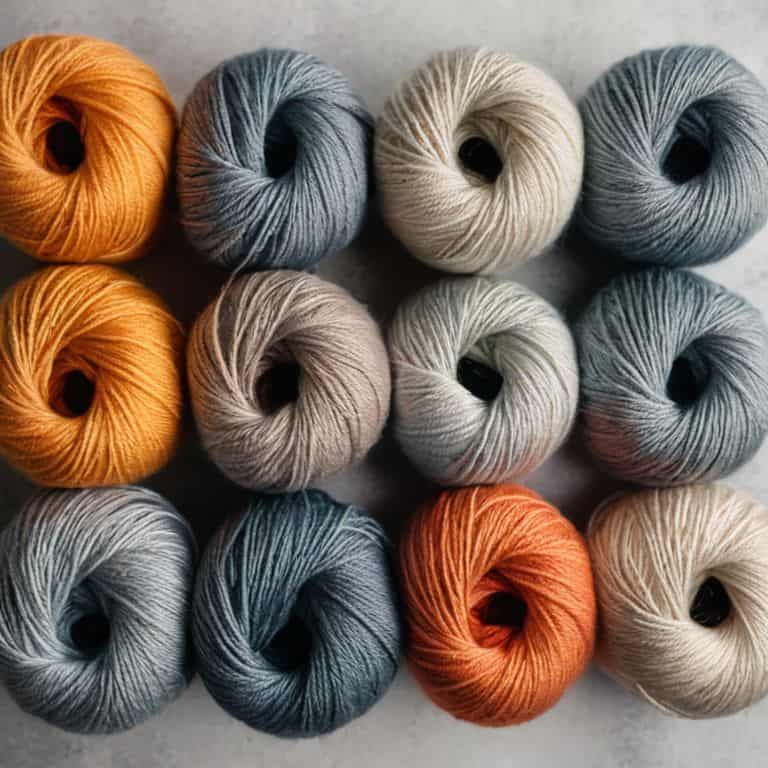
As we delve into the world of yarn, it’s essential to understand the concept of yarn color variation. This refers to the slight differences in color that can occur between different batches of yarn, even if they’re supposed to be the same shade. To mitigate this issue, many yarn manufacturers use a system called dye lot matching, which ensures that skeins from the same batch have a consistent color. When you’re working on a project, it’s crucial to use yarn from the same dye lot to maintain a uniform appearance.
The importance of yarn labeling cannot be overstated. A yarn’s label provides vital information, including its weight, fiber content, and dye lot number. By checking the label, you can ensure that you’re using yarn from the same dye lot, which is especially important for projects that require multiple skeins. Additionally, understanding yarn color codes can help you navigate the sometimes-confusing world of yarn colors. These codes typically consist of a series of numbers and letters that correspond to specific shades and hues.
When it comes to yarn weight and dye lot, it’s essential to consider how these two factors interact. Different yarn weights can affect the appearance of the finished project, and using yarn from the wrong dye lot can throw off the entire color scheme. By taking the time to understand yarn dye lots and how they impact your project, you can ensure a beautiful, professional-looking finish. This attention to detail is a key aspect of quality control in yarn crafting, and it’s what sets a good project apart from a great one.
Importance of Yarn Labeling Explained
When it comes to working with yarn, accurate labeling is crucial. This is where the concept of yarn dye lots becomes particularly important. By knowing the dye lot of your yarn, you can ensure that you’re working with a consistent color, which is essential for creating professional-looking finished projects.
To avoid color inconsistencies, it’s essential to match dye lots when purchasing yarn for a project. This is especially important for large projects, such as blankets or sweaters, where a single mismatched skein can be noticeable. By taking the time to check the dye lot, you can save yourself the frustration of dealing with uneven coloration and ensure a beautiful, cohesive finished product.
Understanding Yarn Color Variation
When working with yarn, it’s essential to understand that color variation can occur between different dye lots. This means that even if you purchase yarn from the same manufacturer and color line, there may be subtle differences in the shade or tone.
To minimize the impact of color variation, it’s crucial to match your yarn dye lots carefully, especially when working on large or complex projects.
What Does Yarn Dye Lot Mean
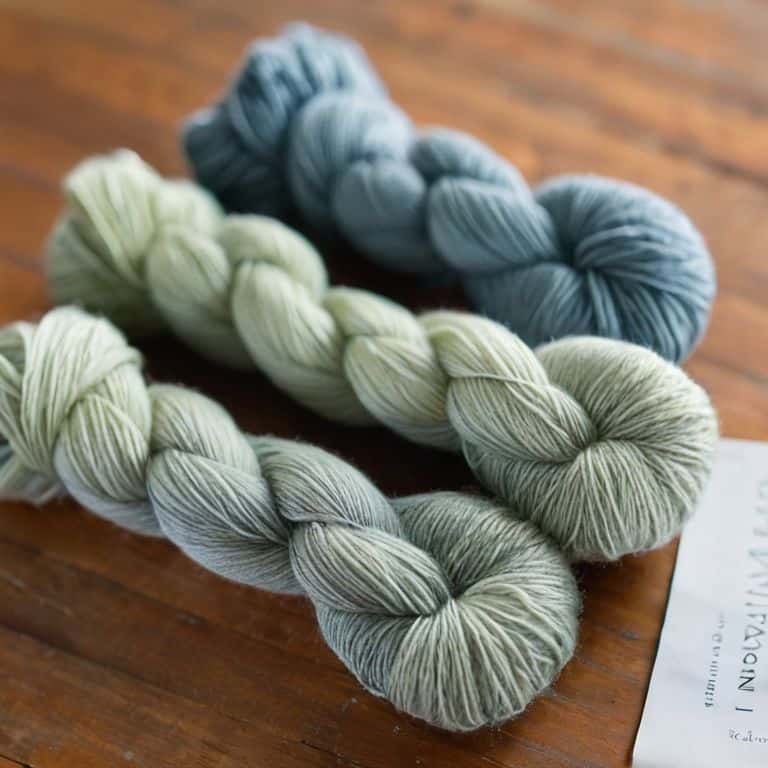
When it comes to yarn color variation, it’s essential to understand that even the same color can have subtle differences from one batch to another. This is where the concept of dye lot matching comes into play. As a craft instructor, I always emphasize the importance of checking the dye lot number on the yarn label to ensure that you’re getting the exact same shade. This is particularly crucial when working on projects that require multiple skeins of yarn.
To put it simply, the dye lot number is like a unique identifier for each batch of yarn. It helps you track the yarn weight and dye lot to ensure consistency throughout your project. By understanding yarn color codes, you can make informed decisions when selecting yarn for your next project. Whether you’re a beginner or an experienced crafter, being aware of these details can make all the difference in achieving the desired outcome.
In my experience, importance of yarn labeling cannot be overstated. It’s not just about the color; it’s also about the quality of the yarn. By checking the label, you can ensure that you’re getting the right yarn dye lot and quality control for your project. This attention to detail can help you avoid disappointment and frustration down the line, and it’s a key aspect of understanding yarn color codes.
Dye Lot Matching for Perfect Hues
When it comes to working with yarn, achieving the perfect hue is crucial. To ensure that your project turns out as expected, it’s essential to understand the concept of dye lot consistency. This means that the yarn you’re using comes from the same batch, guaranteeing that the colors will match perfectly.
To achieve this, I always recommend checking the yarn label for the dye lot number and making sure it matches the one you need. By doing so, you’ll be able to maintain color uniformity throughout your project, which is especially important for projects that require multiple skeins of yarn.
Yarn Weight and Quality Control Tips
When it comes to ensuring consistency in your yarn, yarn weight plays a significant role. It’s essential to choose a yarn that suits your project, as varying weights can affect the overall texture and appearance. To guarantee the best results, always check the yarn label for the recommended weight and fiber content.
To maintain quality control, it’s crucial to store your yarn properly, away from direct sunlight and moisture. This helps preserve the color and texture, ensuring that your finished project looks its best. By following these simple tips, you can enjoy a stress-free crafting experience and achieve professional-looking results.
5 Essential Tips to Demystify Yarn Dye Lots
- Always check the yarn label for the dye lot number to ensure you’re getting skeins from the same batch for consistent color
- Understand that different dye lots can result in slightly different shades, even if the color name is the same
- When buying yarn online, ask the seller for the dye lot number if it’s not listed to avoid potential color mismatches
- Keep a record of the dye lot numbers for your yarn stash to make it easier to find matching skeins for future projects
- Remember, even with the same dye lot, minor color variations can occur due to factors like yarn weight and fiber content, so it’s always a good idea to alternate skeins when working on a project
Key Takeaways: Mastering Yarn Dye Lots
Understanding yarn dye lots is crucial for achieving consistent colors in your projects, as different dye lots can result in noticeable variations in hue and shade.
Accurate yarn labeling is essential for identifying the dye lot, weight, and quality of the yarn, ensuring that you can find the perfect match for your needs.
By grasping the concept of yarn dye lots and implementing effective dye lot matching, weight, and quality control strategies, you can guarantee professional-looking results and take your crafting skills to the next level.
The Heart of Yarn Crafting
To me, understanding what yarn dye lot means is like unlocking a secret code to a world of perfect hues and harmonious textures – it’s the difference between a beautiful, cohesive fabric and a jarring, mismatched mess.
Beatrice "Bea" Quinn
Conclusion: Mastering Yarn Dye Lots for a Perfect Craft
As we’ve unraveled the mystery of yarn dye lots, it’s clear that understanding this concept is crucial for achieving consistent colors in your projects. We’ve explored yarn color variation, the importance of yarn labeling, and the process of dye lot matching to ensure perfect hues. By considering yarn weight and implementing quality control measures, you’ll be well on your way to creating beautiful, professional-looking pieces. Remember, the key to success lies in being mindful of these details and taking the time to plan your project carefully.
As you continue on your crafting journey, don’t be afraid to experiment and try new things. With a solid grasp of yarn dye lots, you’ll be free to focus on the creative aspects of your projects, and your finished pieces will reflect the love and care you’ve put into them. So go ahead, get creative, and happy crafting – with your newfound knowledge, the possibilities are endless!
Frequently Asked Questions
How do I find the dye lot number on a skein of yarn?
To find the dye lot number, simply look for a small label or tag on the skein of yarn. It’s usually listed as ‘Dye Lot’ or ‘Lot Number’ and may be accompanied by a series of numbers or letters. You can also check the yarn’s packaging or the manufacturer’s website if it’s not on the skein itself.
What happens if I accidentally mix yarn from different dye lots in a project?
Don’t worry, it’s an easy mistake to make. If you’ve mixed yarn from different dye lots, you might notice subtle color variations in your finished project. To minimize the effect, try to use the different dye lots in separate sections or rows, and swatch beforehand to ensure the colors blend harmoniously.
Can I still use yarn from different dye lots if they look similar in color?
While similar-looking yarns from different dye lots might tempt you, it’s best to use yarn from the same dye lot for a uniform color. Even if they appear identical, slight variations can affect the final project’s overall appearance. To ensure a perfect match, I always recommend checking the dye lot number and using yarn from the same batch.
