
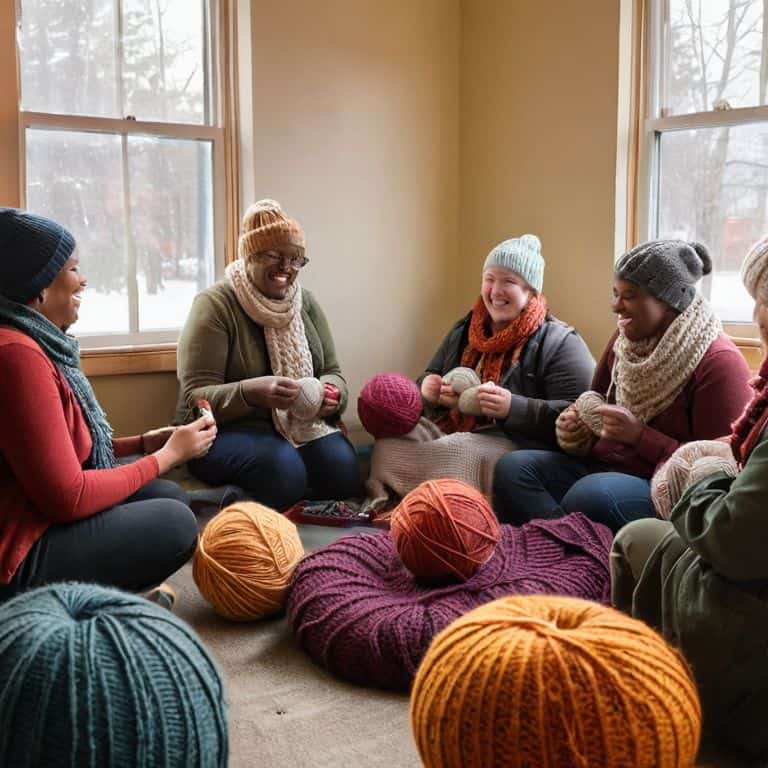
I still remember the first time I walked into a knitting group – it was like finding my tribe. I was immediately drawn to the sense of community and camaraderie that filled the room. As I’ve traveled to fiber festivals and spoken with makers from around the world, I’ve realized that starting a knitting group isn’t just about finding people who share your hobby, it’s about creating a space where people can connect and share their stories. If you’re looking for a guide on how to start a knitting group, you’re likely to find a multitude of tips and tricks online, but I want to share with you my personal experience and the lessons I’ve learned along the way.
As someone who’s passionate about the fiber arts community, I want to assure you that starting a knitting group is easier than you think. In this article, I’ll share with you practical advice on how to bring people together, create a welcoming space, and foster a sense of community. You’ll learn how to find the right venue, plan engaging activities, and encourage participation from all members. My goal is to provide you with honest and straightforward guidance that will help you build a thriving knitting group, where people can come together to share their love of knitting and make meaningful connections.
Table of Contents
Guide Overview: What You'll Need
Total Time: 1 hour 30 minutes
Estimated Cost: $10 – $30
Difficulty Level: Easy
Tools Required
- Computer (for online research and communication)
- Phone (for calling potential members)
Supplies & Materials
- Yarn various colors and types for demonstration
- Knitting Needles various sizes for demonstration
- Flyers for advertising the group
- Snacks for initial meeting
Step-by-Step Instructions
- 1. First, define the purpose of your knitting group: is it to work on charity projects, share techniques, or simply enjoy each other’s company while knitting? This will help you determine the tone and direction of your group. Consider what sparked your interest in starting a knitting group and what you hope to achieve.
- 2. Next, gather a core group of interested knitters: reach out to friends, family, and coworkers who share your passion for knitting. You can also post on social media or join online knitting communities to spread the word and attract like-minded individuals. I’ve found that having a small, dedicated group to start with can make all the difference in getting your knitting group off the ground.
- 3. Choose a convenient location for your knitting group to meet: this could be a local coffee shop, library, or community center. Consider factors like accessibility, noise level, and availability of seating and tables. As someone who’s attended numerous fiber festivals, I can attest to the importance of a comfortable and welcoming space for knitters to gather.
- 4. Set a regular schedule for your knitting group meetings: decide on a frequency that works for everyone, whether it’s weekly, biweekly, or monthly. Consistency is key to keeping your group engaged and motivated. I’ve seen groups thrive when they have a regular routine, and it’s also a great way to ensure that everyone stays on track with their projects.
- 5. Plan some icebreaker activities to help members get to know each other: this could be as simple as having each person introduce themselves and share their current project, or you could organize a fun knitting-related game or challenge. As a podcaster, I’ve learned that building connections is essential to creating a strong and supportive community.
- 6. Establish a system for sharing knowledge and resources: this could include a shared online document or a rotating teaching schedule, where each member takes turns sharing a new technique or pattern. I’ve been fortunate enough to interview some incredibly talented designers and dyers, and I’ve seen firsthand the value of sharing knowledge and expertise within a community.
- 7. Consider partnering with local yarn stores or fiber-related businesses: they may be able to offer discounts, donations, or other forms of support to help your group thrive. As someone who’s passionate about supporting indie makers, I believe that building relationships with local businesses can be a win-win for everyone involved.
- 8. Finally, be flexible and open to feedback: as your knitting group evolves, be willing to make changes and adjustments to ensure that everyone feels welcome and supported. Remember, the goal is to create a positive and inclusive community where members can share their love of knitting and learn from one another.
How to Start a Knitting Group
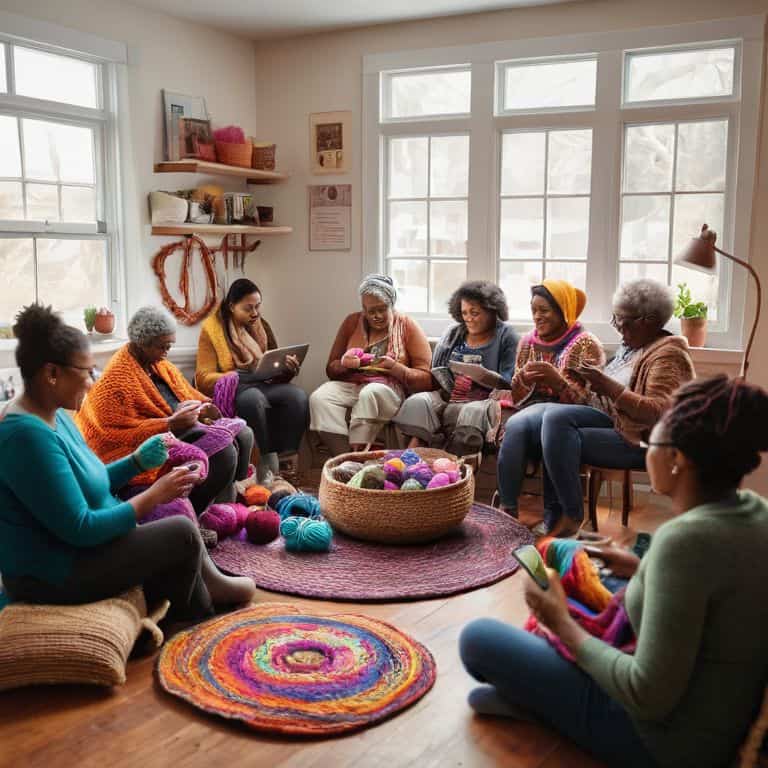
As I’ve traveled to various fiber festivals, I’ve seen firsthand the impact of building a knitting community online. It’s amazing how a shared love of yarn can bring people together, regardless of their geographical location. When starting your knitting group, consider creating a private Facebook group or online forum where members can connect, share their projects, and ask for advice. This will help foster a sense of belonging and encourage participation, especially for those who may not be able to attend in-person meetings.
One of the most enjoyable aspects of being part of a knitting group is the variety of knitting project ideas for groups that you can explore together. From charity blankets to individual garments, working on a project as a team can be a fun and rewarding experience. You can also organize virtual knitting meetups to accommodate members who can’t attend in-person meetings, ensuring everyone feels included. This way, you can still share tips, show off your latest creations, and enjoy each other’s company, even if you’re not in the same physical location.
To keep your group engaged and motivated, consider planning regular activities, such as workshops, guest speakers, or yarn swaps. You can also use social media to manage a knitting group and keep members informed about upcoming events, share patterns, and provide feedback on each other’s projects. By doing so, you’ll create a vibrant and supportive community that will inspire and motivate its members to continue exploring the world of knitting.
Building Community Online With Stitches
As I’ve traveled to fiber festivals and met incredible makers, I’ve seen how online communities can foster connection and creativity. Building a knitting group online can be just as rewarding as in-person meetups. I’ve witnessed it firsthand through my podcast, where guests share their stories and projects, inspiring others to do the same. By creating a private Facebook group or forum for your knitting community, you can share tips, ask questions, and showcase your work.
This online space can become a hub for your group, where members can connect, ask for advice, and celebrate each other’s accomplishments. I’ve seen it time and time again: a simple question like “What are you working on?” can spark a meaningful conversation and lead to lasting friendships. By building community online, you can extend the reach of your knitting group, inviting others to join in and share their passion for stitches and stories.
Finding Local Tribes for Knitting Fun
As I’ve traveled to fiber festivals, I’ve seen firsthand the magic that happens when knitters come together. Finding local tribes for knitting fun is all about connection and community. I’ve met people who’ve found their knitting groups through social media, while others have stumbled upon them at local yarn stores. What are you working on, and how can you find others who share your passion?
I’ve learned that libraries, community centers, and even coffee shops can be great places to find or start a knitting group. You might be surprised at how many like-minded people are out there, waiting to share stitches and stories.
Weaving Together: 5 Essential Tips for Starting a Thriving Knitting Group
- Start with a clear vision: define the purpose and tone of your group, whether it’s focused on charity knitting, skill-sharing, or socializing
- Choose the right platform: decide whether to meet in-person, online, or a mix of both, and select tools like social media groups, video calls, or local community centers to facilitate connection
- Set a regular rhythm: establish a consistent schedule for meetings, whether weekly, biweekly, or monthly, to keep members engaged and motivated
- Foster a sense of belonging: encourage members to share their projects, offer feedback and support, and celebrate each other’s successes to build a strong sense of community
- Be flexible and patient: remember that building a knitting group takes time, and be open to adjusting your approach as the group evolves and grows, always keeping the focus on fun, friendship, and fiber
Weaving It All Together: 3 Key Takeaways
Embracing the journey of starting a knitting group is just as important as the destination – it’s about the people you meet, the stories you share, and the stitches that bring you together
Building a community, whether online or offline, requires a willingness to listen, to share, and to celebrate the unique voices and talents of each member
Remember, every skein of yarn has a story to tell, and every knitting group has the potential to become a vibrant tapestry of connections, creativity, and joy – so don’t be afraid to ask, ‘What are you working on?’ and see where the conversation takes you
Weaving Together
The most beautiful thing about starting a knitting group isn’t the stitches you create, but the stories you weave together with the people who share your passion.
Noah Byrne
Weaving a Community Together
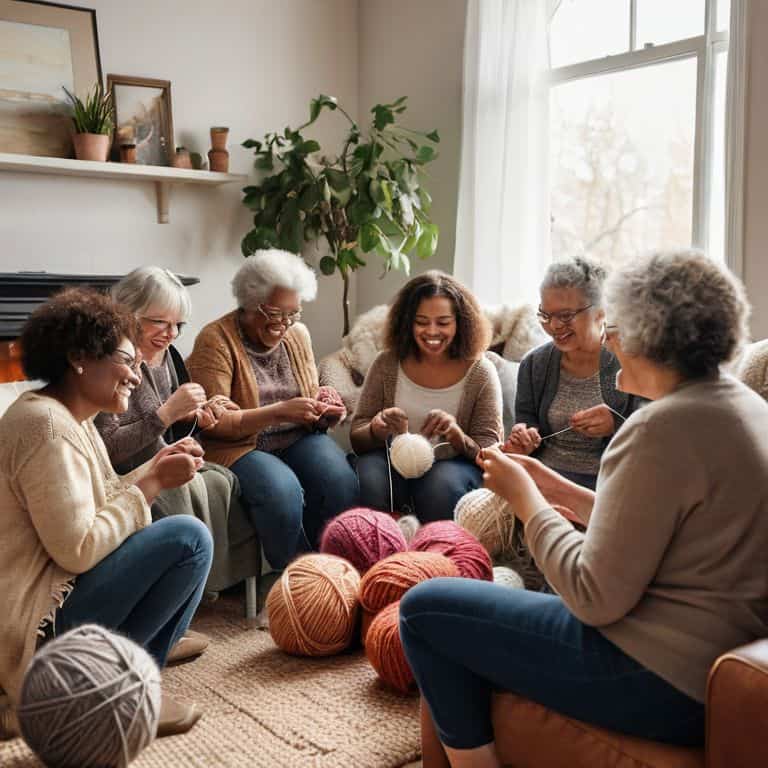
As we’ve explored the world of starting a knitting group, I hope you’ve seen that it’s not just about the stitches, but about the stories and connections we make along the way. From building community online to finding local tribes for knitting fun, every step is an opportunity to meet new people and hear their tales. Whether you’re a seasoned knitter or just picking up your first pair of needles, remember that the journey is just as important as the destination. By being open to new experiences and embracing the unknown, you’ll find that your knitting group becomes a source of comfort, inspiration, and growth.
So, as you embark on this exciting adventure, I want to leave you with a final thought: every skein of yarn has a story to tell, and every person you meet through your knitting group will add a new chapter to that narrative. Don’t be afraid to ask, what are you working on?, and be prepared to share your own story in return. The connections you make and the memories you create will be the greatest reward of all, and I have no doubt that your knitting group will become a vibrant tapestry of friendship and creativity.
Frequently Asked Questions
What are some effective ways to promote my knitting group and attract new members?
I’ve seen some amazing groups thrive by hosting workshops, collaborating with local yarn stores, and sharing their stories on social media – what’s your group’s unique vibe, and how can we get the word out to like-minded knitters?
How can I ensure that my knitting group remains inclusive and welcoming to crafters of all skill levels?
To keep your knitting group inclusive, I’d suggest having a ‘mentorship’ system, where experienced knitters buddy up with newcomers, or hosting ‘skill-share’ sessions where everyone can learn from each other – that way, everyone feels supported and valued, regardless of their skill level.
What are some fun and engaging activities I can plan for my knitting group to keep meetings interesting and prevent boredom?
I love this question! For my own knitting group, we’ve had a blast with yarn swaps, guest speakers, and charity knit-alongs. We also like to mix it up with different formats, like knit-and-watch movie nights or stitch-and-share sessions where everyone brings a project to showcase. What are you working on, and I can try to suggest some activities tailored to your group’s interests?
