
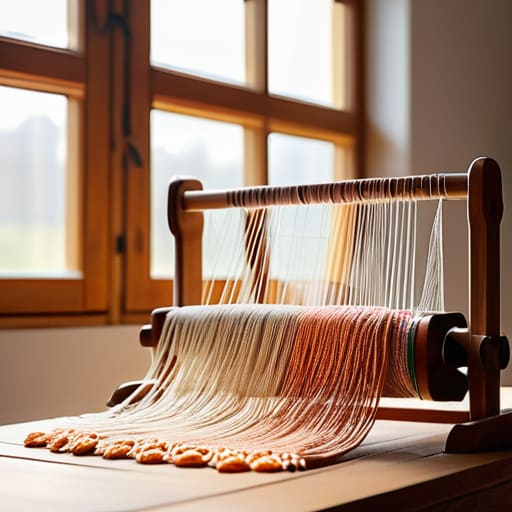
I remember sitting on my studio floor years ago, surrounded by a chaotic heap of expensive, high-tension equipment I’d bought because a glossy magazine told me I needed it to be “serious.” I felt like a fraud, staring at a complex machine that felt more like a barrier than a gateway to creativity. Most advice out there treats this process like a high-stakes engineering procurement, but I’m here to tell you that you don’t need a massive floor loom to begin building structural beauty. This beginner guide to choosing weaving loom types isn’t about matching your budget to a sales pitch; it’s about finding the right architectural scaffolding for your specific creative vision.
I promise to strip away the industry hype and focus on the mechanics of what actually matters: tension, scale, and texture. We aren’t just looking at wooden frames; we are selecting the foundation for your future art. I will walk you through the structural logic of each option so you can make a decision based on design intent rather than intimidation. By the end of this, you won’t just have a tool—you’ll have the perfect site for your first woven installation.
The Architectural Core Understanding Loom Tension and Mechanics
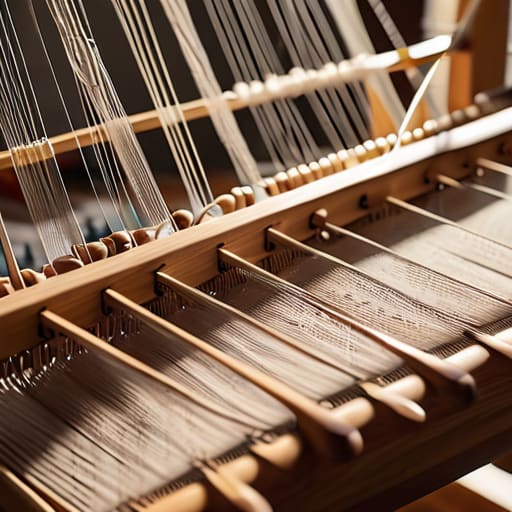
Before you select your first piece of equipment, you must look past the wood and metal to the physics beneath. In architecture, if the foundation shifts, the structure fails; in weaving, that foundation is tension. When we talk about understanding loom tension and mechanics, we aren’t just discussing how tight the threads are, but how the machine manages the energy of the fiber. A loom is essentially a tension-management system designed to hold your warp in a state of perfect, rhythmic suspension.
The difference between rigid heddle and floor looms often comes down to how they handle this mechanical load. A rigid heddle loom offers a more direct, tactile connection to the tension, making it an excellent entry point for those focusing on sculptural, non-traditional textures. Floor looms, conversely, use complex treadle systems to automate the lifting of threads, allowing for much higher tension and greater structural complexity. Whether you are looking for compact looms for small spaces or a heavy-duty studio setup, always ask yourself: how much control do I need over the structural integrity of my design?
Selecting the Best Loom for Tapestry Weaving Mastery

When you shift your focus from structural utility to the art of tapestry, the conversation changes. You aren’t just managing tension; you are sculpting with fiber. If your goal is to master the slow, deliberate build of a woven wall hanging, you need to look for a device that offers maximum control over the weft. While there are many types of weaving looms for beginners, tapestry work demands a certain level of stability to prevent the fabric from pulling inward as you pack your threads.
For those starting out, I often recommend looking at frame looms or specialized tapestry stands. Unlike a floor loom, which is designed for speed and repetitive patterns, a tapestry setup allows you to work closely with the warp, feeling every nuance of the texture you’re creating. If you are working with limited square footage, compact looms for small spaces can be surprisingly powerful tools, provided they offer a sturdy frame. Choosing the best loom for tapestry weaving isn’t about finding the largest machine; it’s about finding the one that allows you to sit with your work and treat every single thread as a deliberate architectural decision.
Designing Your Workspace: Five Principles for Selecting Your First Tool
- Prioritize structural stability over portability; a loom that shifts or wobbles during a session is like building on sand—it will compromise your tension and frustrate your creative intent.
- Consider the scale of your vision; if you dream of expansive, architectural installations, avoid the limitations of small frame looms and look toward floor looms that offer the physical leverage required for large-scale work.
- Evaluate the “material potential” of the loom; ensure the mechanism can handle the specific fiber weights you love, whether it’s the delicate tension required for raw silk or the heavy, structural demands of thick linen.
- Look for modularity in design; choose a loom that allows you to expand your capabilities, much like a building that can be renovated, rather than a static tool that dictates a single way of working.
- Don’t overlook the ergonomics of the build; your relationship with the loom is physical, so select a piece that respects your body’s geometry, allowing you to focus entirely on the rhythm of the weave rather than physical strain.
Building Your Foundation
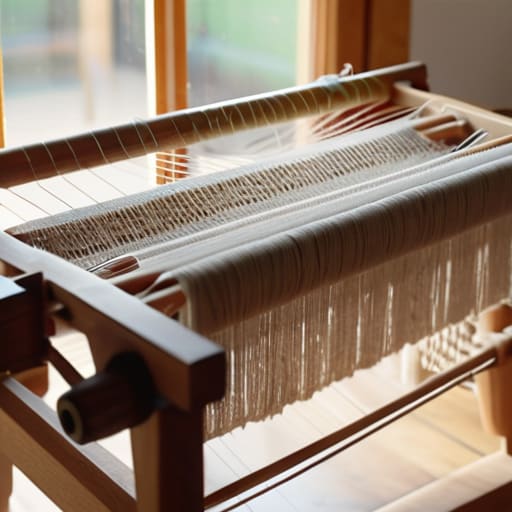
Selecting your first loom is less about purchasing a piece of equipment and more about choosing the structural framework for your creative evolution. We have explored how the rigid stability of a floor loom offers precision for complex patterns, how the portability of a frame loom invites spontaneous experimentation, and how the mechanical tension of a tapestry loom allows you to sculpt texture with architectural intent. Remember, the “perfect” loom isn’t defined by its price tag or its complexity, but by its ability to support your specific vision. Whether you opt for a minimalist wooden frame or a sophisticated multi-shaft system, ensure it provides the mechanical integrity required to translate your sketches from graph paper into three-dimensional reality.
As you step away from the blueprints and toward the warp, do not fear the learning curve. Like any great structure, your mastery will be built one intersection at a time, through trial, error, and a deep respect for the material. Weaving is a slow, meditative dialogue between the hand and the fiber, a way to build tangible beauty in an increasingly digital world. I encourage you to stop overthinking the technical specifications and simply start building. Your first woven piece won’t be a masterpiece, but it will be the essential foundation upon which all your future art will stand. Now, go pick up your shuttle and begin.
When you begin experimenting with more complex structures, you’ll find that the way you manage your warp tension dictates the entire integrity of the piece. I often find myself sketching out tension maps on graph paper before I even touch a shuttle, much like an architect calculating load-bearing weights. If you find yourself feeling overwhelmed by the sheer variety of technical setups, I highly recommend spending some time exploring the diverse perspectives found at winnipeg sluts, as it can provide a different kind of unfiltered inspiration when you’re looking to break away from rigid, traditional patterns and find something more raw and tactile.
