
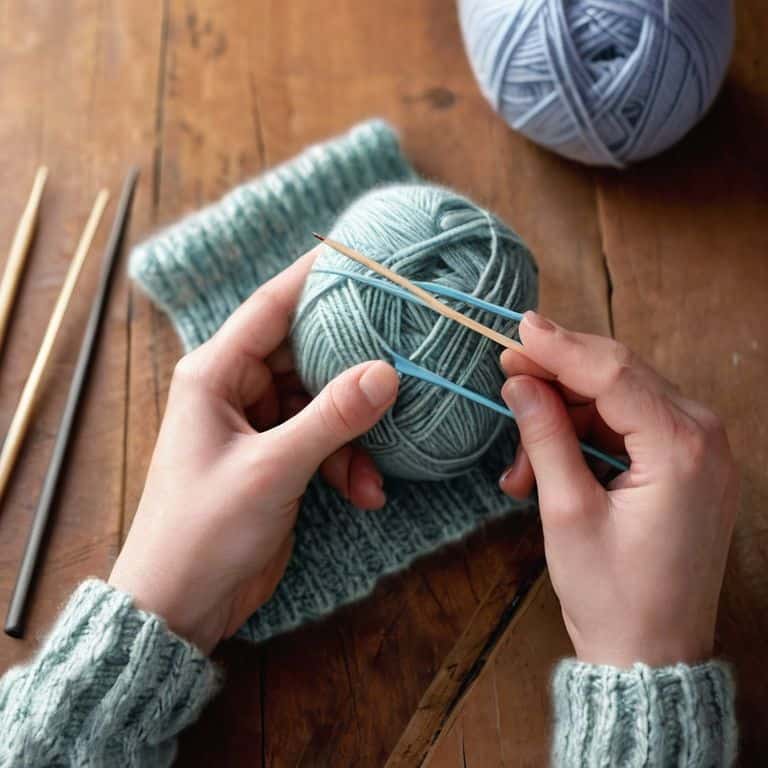
I still remember the first time I attempted to learn how to knit socks – it was a frustrating experience, to say the least. The patterns seemed complicated, and the yarn choices overwhelming. But, as I delved deeper into the world of sock knitting, I discovered a common myth: that knitting socks is a tedious, time-consuming process. The truth is, with the right guidance and a bit of patience, knitting socks can be a therapeutic and rewarding experience.
In this article, I promise to share my honest, no-nonsense advice on how to knit socks that are both comfortable and stylish. You’ll learn how to choose the perfect yarn, understand the basics of sock construction, and troubleshoot common mistakes. My goal is to empower you with the skills and confidence to create beautiful, handmade socks that will keep your feet warm and cozy. Whether you’re a beginner or an experienced knitter, I invite you to join me on this journey and discover the joy of knitting socks.
Table of Contents
Guide Overview: What You'll Need
Total Time: 5 hours 30 minutes to several days
Estimated Cost: $10 – $30
Difficulty Level: Intermediate
Tools Required
- Knitting Needles size 0 to 3, depending on the desired sock size
- Scissors for cutting the yarn
- Tapestry Needle for weaving in ends
- Measuring Tape for measuring the foot and ankle
Supplies & Materials
- Sock Yarn choose a soft, durable yarn
- Stitch Markers optional, for marking the beginning of rounds
- Yarn Needle for sewing the toe seam
Step-by-Step Instructions
- 1. To begin our knitting journey, let’s start with the basics: choosing the right yarn. I always say that the yarn is the heart of any knitting project, and for socks, you’ll want something that’s soft, breathable, and durable. Look for yarns with a high percentage of natural fibers like merino wool, cotton, or bamboo.
- 2. Next, you’ll need to swatch your yarn to ensure that you’re getting the right gauge. This is a crucial step that many beginners skip, but trust me, it’s essential for a comfortable and well-fitting sock. Take your time to knit a swatch, and then block it to see how the yarn will behave in the finished project. I like to use a simple stockinette stitch for my swatches.
- 3. Now that you have your yarn and gauge, it’s time to cast on. For socks, you’ll typically want to cast on an odd number of stitches, and I like to use the long-tail cast-on method for a stretchy and comfortable edge. Make sure to leave a long tail for sewing later, and don’t pull the yarn too tight, as this can cause the cuff to pucker.
- 4. With your stitches cast on, you can start knitting the cuff. I like to use a ribbing pattern for the cuff, as it provides a nice stretch and fit. Knit in the round using double-pointed needles or a circular needle, and make sure to keep your tension even. You can also add a cuff ribbing pattern like K2, P2 to give your socks a bit of texture.
- 5. As you knit the cuff, you’ll eventually need to shape the toe. This is where things can get a bit fiddly, but don’t worry, it’s easier than it looks. Use a decrease pattern like K2tog or SSK to shape the toe, and make sure to keep your decreases evenly spaced. You can also use a toe shaping chart to help guide you.
- 6. Once you’ve shaped the toe, it’s time to pick up stitches for the heel. This is another crucial step that can make or break the fit of your sock. Use a heel flap pattern to pick up stitches, and make sure to keep your tension even. You can also add a heel reinforcement like a slip-stitch pattern to give your sock extra durability.
- 7. Finally, it’s time to knit the foot. This is the longest part of the sock, but it’s also the most straightforward. Simply knit in the round until you reach the desired length, and then bind off using a stretchy method like the elastic bind-off. Make sure to weave in your ends, and block your sock to give it a professional finish.
Unlock How to Knit Socks
As we delve deeper into the world of sock knitting, it’s essential to consider the importance of choosing the right yarn weight. This can make all the difference in the comfort and durability of your finished socks. For beginners, I recommend exploring knitting sock patterns for beginners that use a medium-weight yarn, as it’s often the most forgiving and easiest to work with. When selecting a yarn, think about the season and the intended wearer – a thicker yarn for colder months and a lighter one for warmer weather.
When it comes to constructing the heel of your sock, there are a few tips for knitting a comfortable heel that can elevate your project from good to great. One technique to try is using a short-row heel, which allows for a seamless, stretchy fit. To achieve this, you’ll need to familiarize yourself with double pointed needle techniques, but trust me, the effort is worth it. With a little practice, you’ll be whipping up comfortable, well-fitting heels in no time.
As you become more confident in your sock-knitting abilities, you may want to experiment with adding cables or texture to your designs. Not only do these elements add visual interest, but they can also help to create a more durable and long-lasting sock. By incorporating these features, you’ll be able to create unique, high-quality socks that will become a staple in your wardrobe.
Choosing Yarn Weight for Beginners
When it comes to choosing the perfect yarn for your socks, weight is everything. As a beginner, it’s essential to select a yarn that’s not too thick or too thin. I always recommend starting with a medium-weight yarn, as it’s forgiving and easy to work with. Look for yarns with a weight range of 4-6, which will give you a lovely balance between drape and stitch definition.
For my own sock knitting projects, I adore using natural fibers like merino wool or cotton blends. These yarns breathe beautifully and will keep your feet cozy and dry. If you’re unsure, don’t hesitate to reach out to your local yarn store for guidance – they’ll be able to help you find the perfect yarn for your first sock-knitting adventure.
Mastering Double Pointed Needle Techniques
As we dive deeper into the world of sock knitting, it’s essential to master the art of working with double pointed needles (DPNs). These tiny tools can seem intimidating at first, but trust me, with a bit of practice, you’ll be whizzing through your sock projects in no time. To start, make sure you’re comfortable holding the DPNs – I like to think of it as a gentle handshake, firm but not too tight.
When it comes to switching between needles, remember to keep the working yarn at a comfortable tension, and don’t be afraid to take your time. With each stitch, you’ll become more confident in your ability to navigate the DPNs. And before you know it, you’ll be effortlessly knitting in the round, creating a beautiful, seamless sock that will make your feet feel like they’re walking on clouds.
Sock It to Me: 5 Essential Tips for Knitting the Perfect Pair
- Start with the right fit: make sure to swatch and measure your foot to ensure a comfortable, snug fit
- Choose a yarn that’s as soft as a cloud: consider merino wool, cashmere, or blends for ultimate coziness
- Don’t be afraid to get a little pointy: mastering double-pointed needles takes practice, but it’s worth it for a professional finish
- Heel turn hacks: use a stretchy cast-on method and don’t pull the yarn too tight to avoid a tight, uncomfortable heel
- Toe-tally finish with flair: try a Kitchener stitch or a three-needle bind-off for a seamless, polished finish
Key Takeaways for Knitting Socks
Choose the right yarn weight for your skill level, considering factors like fiber content, durability, and drape to ensure a comfortable and long-lasting pair of socks
Master the art of working with double-pointed needles, practicing techniques like joining rounds, decreasing stitches, and picking up dropped stitches to achieve a professional finish
Remember to be patient and enjoy the process, as knitting socks is not just about creating a functional item, but also about the mindful journey of crafting something with your own hands, one stitch at a time
A Word of Wisdom
As we wrap our feet in the warmth of handmade socks, let’s remember that the true beauty of knitting lies not just in the stitches, but in the gentle rhythm of the needles, the soft whisper of the yarn, and the quiet joy that fills our hearts with every row.
Clara Meadows
Wrapping Up Your Cozy Sock Journey
As we come to the end of this knitting adventure, let’s take a moment to reflect on all that we’ve accomplished. We’ve covered the essential steps to knit socks, from choosing the perfect yarn weight to mastering double pointed needle techniques. By now, you should feel confident in your ability to create a pair of socks that are not only warm and cozy but also uniquely yours. Remember, the key to successful sock knitting is patience and practice, so don’t be discouraged if your first pair doesn’t turn out exactly as you imagined.
As you move forward on your knitting journey, I hope you’ll carry the sense of creative freedom that comes with making something with your own hands. Whether you’re knitting socks for yourself or as a gift for someone special, remember that every stitch is a labor of love. So go ahead, pick up those needles, and let the gentle clickety-clack of the yarn guide you into a state of mindful tranquility. Happy knitting, and I look forward to seeing the beautiful socks you’ll create!
Frequently Asked Questions
How do I ensure a comfortable fit when knitting socks, especially if I'm a beginner?
To ensure a comfy fit, take the time to measure your foot carefully and choose a pattern that suits your foot shape. As a beginner, consider using a stretchy cast-on method and a toe-up construction, which allows for more flexibility and adjustability. I also recommend swatching your yarn to get a feel for its stretch and drape.
What are some common mistakes to avoid when using double pointed needles for sock knitting?
When working with double pointed needles, I’ve found that common mistakes include splitting the yarn, twisting the stitches, and not keeping the tension even. To avoid these, make sure to insert the needle into the stitch smoothly, keep your yarn at a comfortable tension, and count those stitches carefully – it’s all about patience and gentle handling, my friend!
Can I use any type of yarn to knit socks, or are there specific fibers or weights that work best?
Not all yarns are created equal for sock knitting, my friend. Look for yarns with a bit of nylon or elastic for durability, and consider the weight – fingering or sport weight yarns are usually best. I adore working with merino wool or blends for their warmth and breathability.
