
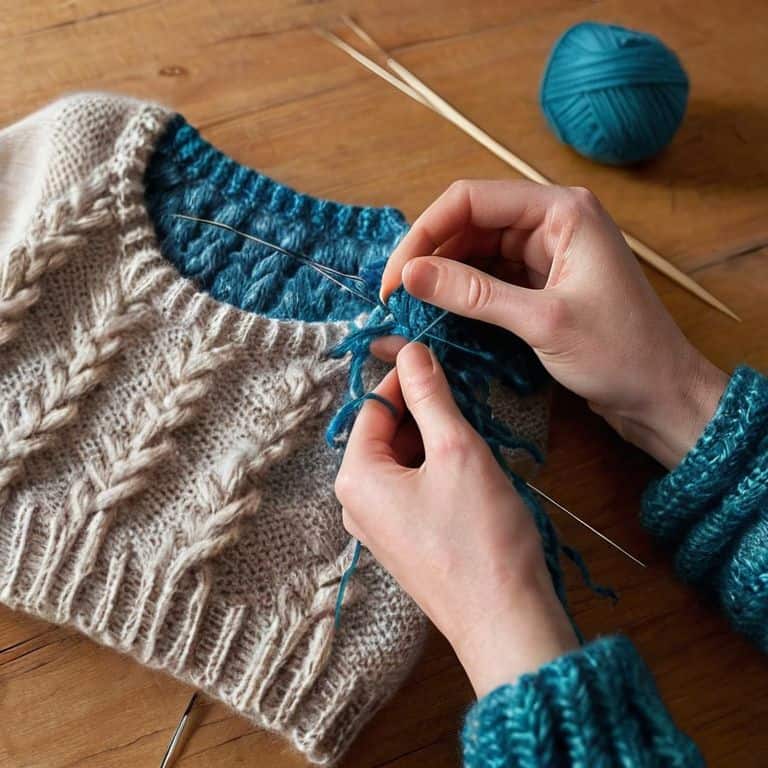
I still remember the first sweater I ever knitted – it was a beautiful, soft blend of merino wool and alpaca, but unfortunately, it was also a few sizes too small. I had fallen victim to one of the most common mistakes when knitting a sweater: misjudging my gauge. It was a hard lesson to learn, but it taught me the importance of paying attention to the little details that can make or break a project. As I delved deeper into the world of knitting, I realized that I wasn’t alone in my struggles – many of my friends and fellow knitters had similar stories to share.
In this article, I’ll be sharing my honest, no-hype advice on how to avoid the most common mistakes when knitting a sweater. I’ll walk you through the process of measuring your gauge, counting your stitches, and reading your pattern with confidence. My goal is to empower you with the knowledge and skills you need to create a beautiful, cozy sweater that you’ll treasure for years to come. By the end of this guide, you’ll be equipped with the tools to identify and fix potential mistakes before they become major issues, and you’ll be well on your way to creating a stunning, professional-looking sweater that you can be proud of.
Table of Contents
- Guide Overview: What You'll Need
- Step-by-Step Instructions
- Common Sweater Knitting Mistakes
- Embracing the Learning Curve: 5 Essential Tips to Overcome Common Sweater Knitting Mistakes
- Key Takeaways for a Cozy Sweater
- A Word of Wisdom
- Embracing the Journey, Not Just the Destination
- Frequently Asked Questions
Guide Overview: What You'll Need
Total Time: 2 hours 30 minutes
Estimated Cost: $20 – $50
Difficulty Level: Intermediate
Tools Required
- Knitting Needles (size appropriate for sweater)
- Measuring Tape (for measuring body and sleeves)
- Stitch Counter (optional but recommended)
- Scissors (for cutting yarn)
- Yarn Needle (for weaving in ends)
Supplies & Materials
- Yarn (quantity depends on sweater size and type)
- Stitch Markers (for marking beginning of round or special stitches)
- Sweater Pattern (choose a pattern suitable for skill level)
Step-by-Step Instructions
- 1. First, let’s start with the foundation of our sweater, the gauge. Getting the gauge right is crucial, as it determines the fit and texture of our final product. To avoid disappointment, I always recommend swatching before diving into the main project. Take your time to knit a good-sized swatch, and then block it to see how the yarn behaves. This simple step can save you from hours of frustration later on.
- 2. Next, we need to choose the right yarn for our project. I’m a big fan of natural fibers, as they provide excellent warmth and durability. However, it’s essential to consider the season, intended use, and personal preference when selecting the perfect yarn. For instance, if you’re knitting a summer sweater, you might opt for a lightweight, breathable yarn like cotton or linen. On the other hand, if you’re looking for a cozy winter sweater, merino wool could be an excellent choice.
- 3. Now, let’s talk about measuring and fitting. I’ve seen many knitters struggle with inaccurate measurements, which can lead to a sweater that’s either too tight or too loose. To avoid this, take your time to measure yourself carefully, and make sure to compare your measurements to the pattern’s sizing chart. Don’t be afraid to make adjustments as needed to ensure a comfortable, flattering fit.
- 4. Once you have your yarn and measurements, it’s time to start knitting. One common mistake I’ve noticed is inconsistent tension, which can affect the overall texture and appearance of the sweater. To maintain a consistent tension, try to relax your hands and arms while knitting, and avoid pulling the yarn too tightly. You can also try using a tension gauge to help you stay on track.
- 5. As you work on your sweater, it’s essential to keep track of your progress and count your stitches regularly. This might seem like a tedious task, but it can save you from hours of ripping and re-knitting later on. I like to use a row counter or a spreadsheet to keep track of my progress, and I always make sure to count my stitches at the end of each row.
- 6. Another crucial step is to try on your sweater as you go. This might seem obvious, but it’s surprising how many knitters forget to do this. Trying on your sweater regularly can help you catch any fitting issues early on, and make adjustments as needed. Don’t be afraid to make changes to the pattern or your knitting technique if you notice something isn’t quite right.
- 7. Finally, don’t forget to block your sweater once it’s complete. Blocking can make a huge difference in the appearance and texture of your finished sweater, and it’s a great way to even out the stitches and give your sweater a professional finish. I like to use a wet blocking method, where I soak the sweater in water and then lay it out to dry. This helps to relax the fibers and even out the texture, giving my sweater a beautiful, professional-looking finish.
Common Sweater Knitting Mistakes
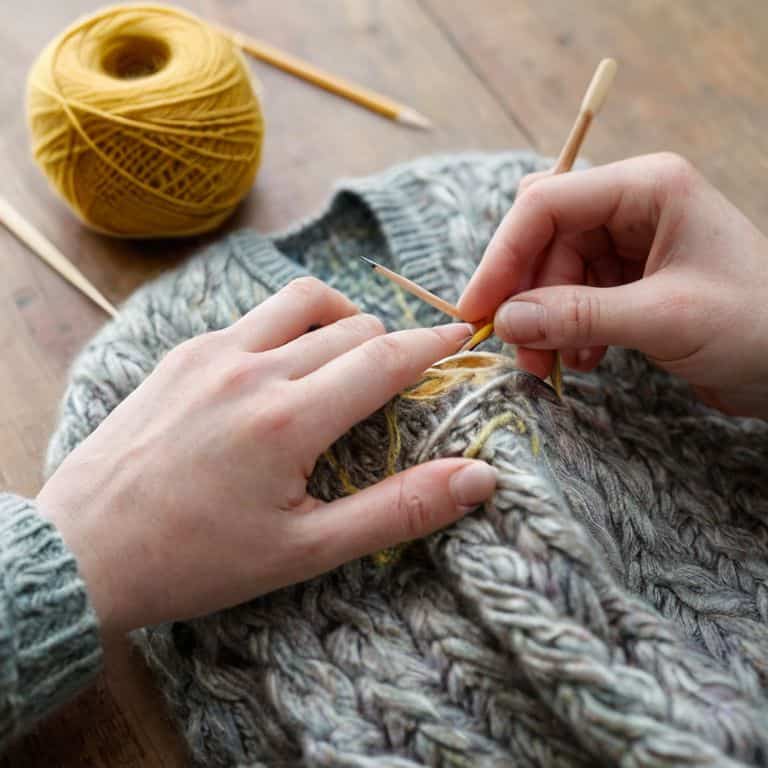
As I reflect on my own knitting journey, I’ve come to realize that even the most experienced knitters can fall prey to knitting pattern errors. A misplaced stitch or a miscounted row can throw off the entire garment, leaving us frustrated and disappointed. To avoid this, I always make sure to read through the pattern carefully, highlighting any tricky sections or potential pitfalls. It’s also essential to take your time and not rush through the project, as this can lead to careless mistakes.
When it comes to working with yarn, yarn weight issues can be a significant challenge. Using a yarn that’s too thick or too thin can affect the overall texture and fit of the sweater. To ensure the best results, I swatch my yarn before starting the project, checking the gauge to ensure it matches the pattern’s requirements. This simple step can save you from a world of trouble down the line, including uneven fabric and a poorly fitting garment.
As we work on our sweaters, it’s also important to pay attention to our seaming techniques, as a poorly sewn seam can be noticeable and unflattering. To achieve a professional finish, I use a tapestry needle and a yarn needle to weave in ends and sew seams. By taking the time to master these basic skills, you’ll be able to create a beautiful, cohesive garment that you’ll treasure for years to come.
Gentle Errors in Yarn Weight
When it comes to yarn weight, gentle errors can still make a big impact on our finished sweaters. I’ve found that even a slight discrepancy in yarn weight can affect the drape, fit, and overall texture of our garment. For instance, using a yarn that’s slightly too thick can result in a stiff, boxy sweater, while a yarn that’s too thin can lead to a sloppy, oversized fit. To avoid these issues, I always make sure to swatch my yarn thoroughly and check the recommended yarn weight for my pattern.
By being mindful of yarn weight, we can create sweaters that are not only beautiful but also comfortable and wearable. Whether you’re a beginner or an experienced knitter, taking the time to get your yarn weight just right is an investment worth making.
Purling Problems and Needle Sizes
When it comes to purling, even the most experienced knitters can encounter issues. I’ve found that one of the most common problems is inconsistent tension, which can lead to a fabric that’s either too loose or too tight. To avoid this, try to maintain a steady hand and pay attention to how you’re wrapping the yarn around your needles. Another issue that can arise is using the wrong needle size, which can affect the overall fit and drape of your sweater.
I always recommend swatching with different needle sizes to ensure you’re getting the right gauge for your project. By taking the time to get your purling and needle size just right, you’ll be rewarded with a sweater that’s not only beautiful but also comfortable and well-fitting.
Embracing the Learning Curve: 5 Essential Tips to Overcome Common Sweater Knitting Mistakes
- Measure Twice, Knit Once: The Importance of Accurate Gauge Measurement
- Yarn Weight Woes: Choosing the Right Yarn for Your Sweater to Avoid a Lackluster Finish
- Mind Your Stitches: Keeping Track of Increases, Decreases, and Pattern Repeats
- Purlfectly Happy: Mastering the Purl Stitch to Avoid Loose or Tight Fabric
- Try, Try Again: The Value of Frogging Your Work and Starting Fresh When Mistakes Occur
Key Takeaways for a Cozy Sweater
Double-check your yarn weight and swatch before starting your sweater to ensure a perfect fit and drape, as using the wrong weight can lead to a garment that’s either too loose or too tight
Pay close attention to your purling technique and needle sizes, as small mistakes can lead to uneven fabric or dropped stitches that are frustrating to fix
Remember, knitting is a journey, not a competition – don’t be too hard on yourself if you make mistakes, but instead, use them as opportunities to learn and grow as a maker, and enjoy the therapeutic process of creating something beautiful
A Word of Wisdom
The beauty of knitting a sweater lies not in its perfection, but in the gentle imperfections that make it uniquely ours – for it’s in embracing our mistakes that we find the true joy of creation.
Clara Meadows
Embracing the Journey, Not Just the Destination
As we’ve explored the common mistakes that can arise when knitting a sweater, it’s clear that gentle errors in yarn weight, purling problems, and needle sizes are just a few of the key areas where we can trip up. But the beauty of knitting lies not just in the end result, but in the process itself – the quiet moments spent with yarn and needles, the satisfaction of watching a project come together, and the joy of learning from our mistakes. By being mindful of these potential pitfalls, we can refine our skills and create something truly special.
So, the next time you pick up your needles to start a new sweater project, remember that it’s okay to make mistakes – they’re an opportunity to learn and grow as a maker. Let’s approach our knitting with kindness and patience, embracing the journey and all its twists and turns, and trust that the end result will be a beautiful, handmade sweater that’s infused with love and care.
Frequently Asked Questions
How can I ensure I'm using the correct yarn weight for my sweater pattern to avoid a loose or tight fit?
To ensure the right yarn weight, I always swatch before starting a sweater project. It’s a simple step, but it makes all the difference. Check your pattern’s recommended yarn weight and needle size, then knit a swatch to gauge the fabric’s density. This will give you a clear idea of whether your yarn will produce a cozy, fitted sweater or a loose, sloppy one.
What are some common signs that I've chosen the wrong needle size for my sweater project, and how can I adjust accordingly?
If your stitches look too loose or too tight, it’s likely your needle size is off. Check your gauge, and if it’s not matching the pattern, try switching to a smaller or larger needle. You can also look for telltale signs like puckering or sagging fabric – these are usually red flags that your needle size needs adjusting.
Are there any specific sweater knitting mistakes that are more common for beginners, and how can I avoid or fix them as I gain more experience?
As a beginner, it’s common to struggle with inconsistent tension, misjudging sleeve length, or forgetting to swatch. To avoid these, take your time, and practice swatching to ensure the right fit. Don’t be afraid to frog your work and start again – it’s all part of the learning process, and I’m here to guide you through it.
