
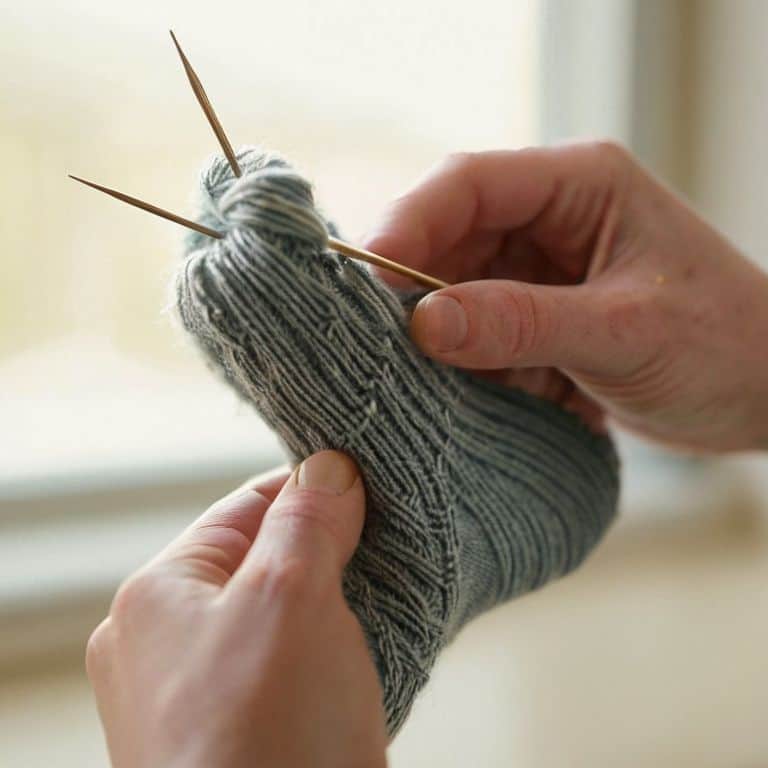
I still remember the first time I tried knitting socks on double-pointed needles (DPNs) – it was a bit of a disaster, to be honest. I had heard that knitting socks on DPNs was a challenging and frustrating process, but I was determined to give it a try. As I sat there, surrounded by tangled yarn and misplaced stitches, I couldn’t help but wonder if all the hype about DPNS being difficult was true. But, as I persisted and practiced, I discovered that with the right guidance and a bit of patience, knitting socks on DPNs can be a truly therapeutic and enjoyable experience.
In this article, I’ll share my personal story and provide you with a comprehensive guide to knitting socks on dpns, covering everything from choosing the right yarn to casting off your first pair. I’ll cut through the confusion and misinformation, and give you honest, practical advice on how to overcome common obstacles and achieve professional-looking results. Whether you’re a beginner or an experienced knitter, my goal is to help you feel confident and inspired to create your own beautiful, handmade socks on DPNS. So, let’s get started on this journey together, and discover the joy of knitting socks on double-pointed needles!
Table of Contents
Guide Overview: What You'll Need
Total Time: 5 hours 30 minutes to several days
Estimated Cost: $20 – $50
Difficulty Level: Intermediate
Tools Required
- Double-Pointed Needles (DPNs) Set of 5, US size 0 – 3
- Scissors
- Tapestry Needle For weaving in ends
- Stitch Markers Optional, for tracking increases or decreases
- Measuring Tape For measuring foot length and ankle circumference in inches
Supplies & Materials
- Sock Yarn 400 – 500 yards, depending on sock size and fiber content
- Stitch Dictionary or Sock Pattern For reference and guidance
Step-by-Step Instructions
- 1. First, let’s start by preparing our materials, which includes our double-pointed needles (DPNs), a ball of yarn that we just can’t wait to work with, and a pair of scissors. I always like to have a little yarn needle handy as well, for weaving in ends later on. Make sure your yarn is comfortable to work with and suitable for socks – I personally love using wool or wool-blend yarns for their warmth and durability.
- 2. Next, we need to cast on our stitches. For a standard adult sock, you’ll want to cast on around 60-80 stitches, depending on the yarn weight and your personal preference for fit. I find that using the long-tail cast-on method works beautifully for socks, as it creates a stretchy edge that will fit comfortably around your leg.
- 3. Now, let’s move on to the knitting part. We’ll start by working a ribbing pattern to create the cuff of our sock. This is usually done in a K2, P2 pattern, which gives our sock a nice stretch and texture. I love watching the ribbing grow, row by row, as it starts to take shape.
- 4. Once we’ve completed our ribbing, it’s time to move on to the leg of the sock. Here, we’ll work in stockinette stitch (knit one row, purl one row) until our sock is the desired length. Don’t forget to try it on as you go, to ensure a comfortable fit. You can always adjust the length or add more stitches if needed.
- 5. As we reach the heel of the sock, things can get a bit trickier. We’ll need to work a heel flap, followed by a heel turn, and then pick up stitches to shape the heel. This is where our DPNs really come in handy, as we’ll be working with multiple needles to shape the sock. Take your time, and remember that it’s all about creating a smooth, comfortable curve.
- 6. With the heel in place, we can move on to the foot of the sock. We’ll continue working in stockinette stitch, decreasing stitches as needed to shape the toe. I love watching the sock start to take shape at this stage, and seeing the yarn come alive in our hands.
- 7. Finally, it’s time to bind off our stitches and weave in those ends. Make sure to leave a long tail of yarn for sewing, and use your yarn needle to securely fasten the toe of the sock. And that’s it – you now have a beautiful, handmade sock, crafted with love and care, and ready to keep your toes warm and cozy.
A Guide to Knitting Socks on Dpns
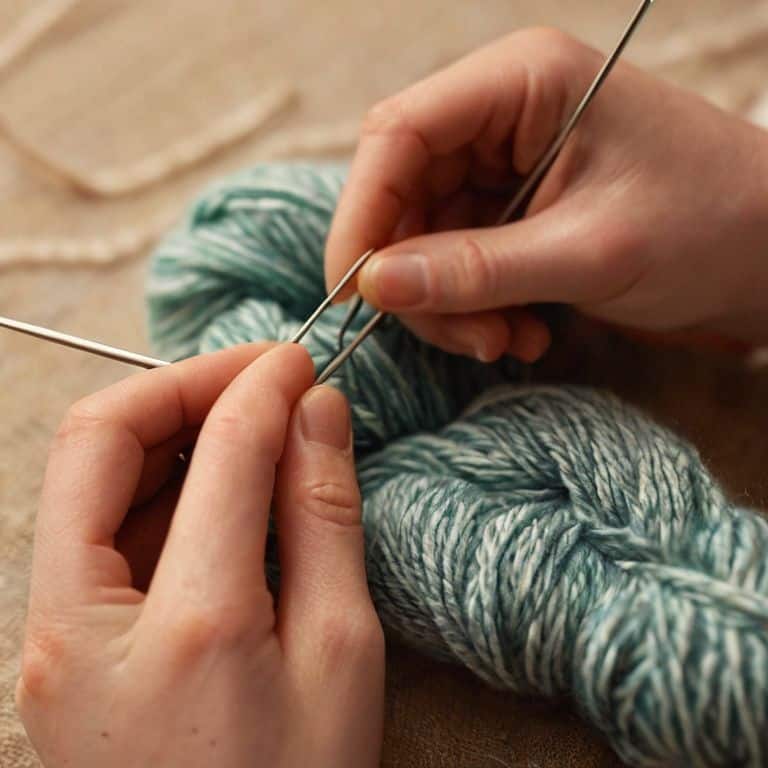
As I sit here with my yarn and needles, I just love thinking about the process of sock knitting patterns and how they can be adapted for different techniques. One of the most common debates among knitters is dpns vs circular needles, and I must say, I’m a fan of using double-pointed needles for their precision and control. When it comes to knitting socks, especially for beginners, I think dpns are a great way to start.
When working on the heel flap, I always remind myself to take my time and focus on the knitting heel flap techniques. It’s a crucial part of the sock, and getting it just right can make all the difference. I’ve found that using a combination of knit and purl stitches can create a beautiful, sturdy fabric that will withstand wear and tear. For those new to sock knitting, I recommend starting with a simple cuff down sock knitting pattern and gradually moving on to more complex designs.
As you near the end of your sock, you’ll need to think about toe shaping methods. I like to use a decrease stitch to create a smooth, rounded toe that fits comfortably. It’s amazing how a few simple stitches can come together to create something warm and wonderful for your feet. With practice and patience, you’ll be knitting socks like a pro in no time, and I just love seeing the sense of accomplishment on a student’s face when they finish their first pair.
Dpns vs Circular Needles Joyful Choice
When it comes to knitting socks, one of the most significant decisions you’ll make is choosing between double-pointed needles (DPNS) and circular needles. For me, there’s something special about using DPNS – the way the stitches flow from one needle to the next is almost meditative. That being said, circular needles have their own advantages, particularly for beginners, as they can be easier to manage.
Ultimately, the choice between DPNS and circular needles comes down to personal preference. If you enjoy the traditional feel of DPNS, you’ll love the sense of accomplishment that comes with mastering them. On the other hand, if you prefer the convenience of circular needles, you can still create beautiful, cozy socks. Either way, the joy of knitting socks lies in the process, and I encourage you to experiment with both methods to find what brings you the most happiness.
Knitting Socks for Beginners With Love
As a beginner, knitting socks can seem daunting, but I’m here to reassure you that it’s a journey worth taking. With a little patience and practice, you’ll be hooked. I remember my first pair of handmade socks – the feeling of slipping them on and knowing I’d created something warm and wonderful just for me. It’s a sensation that never gets old. For those just starting out, I recommend beginning with a simple pattern and a yarn that feels delightful to work with. Don’t be afraid to make mistakes – they’re an opportunity to learn and grow.
As you work on your first pair, remember to breathe, relax, and enjoy the process. Knitting socks is not just about creating something useful, but also about the mindfulness and calm that comes with it. Allow yourself to get lost in the rhythm of the needles and the gentle flow of the yarn. Before you know it, you’ll be wearing your very own handmade socks, and the sense of pride and accomplishment will be overwhelming.
Cozy Tips for Knitting Socks on DPNS
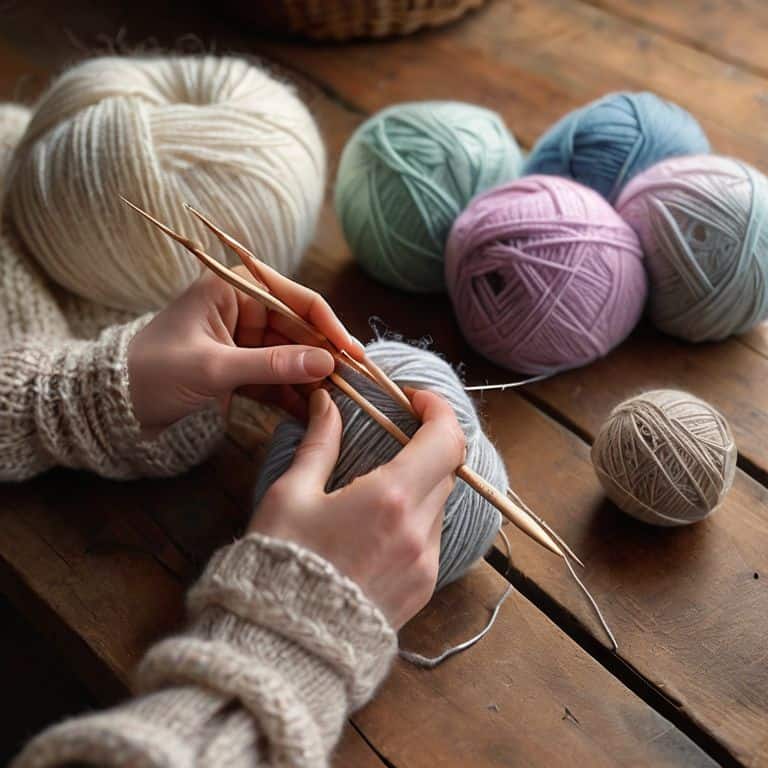
- Choose the perfect yarn: Select a yarn that’s soft, durable, and has great stitch definition to make your socks a joy to wear
- Swatch, swatch, swatch: Always swatch your yarn to ensure you’re getting the right gauge, and don’t be afraid to adjust your needle size for a perfect fit
- Mind your tension: Keep an eye on your stitch tension to avoid socks that are too tight or too loose – it’s all about finding that happy medium
- Try a stretchy cast-on: Use a stretchy cast-on method like the long-tail cast-on to give your socks a comfortable, flexible cuff
- Don’t be afraid to frog: If you make a mistake, don’t worry – just frog your work and start again, and remember that it’s all part of the knitting journey
Warmly Yours: 3 Key Takeaways for Knitting Socks on DPNS
Embracing the gentle rhythm of double-pointed needles can lead to a meditative knitting experience, perfect for crafting cozy socks that envelop your feet in warmth and love
Choosing the right yarn, with its unique texture and softness, is crucial – I adore natural fibers for their ability to breathe and keep your toes snug, and I often find inspiration for my yarn choices during long walks in the countryside
Whether you’re a beginner or an experienced knitter, remember that knitting socks on DPNS is a journey, not a destination – don’t be afraid to experiment, try new patterns, and most importantly, enjoy the process of creating something beautiful and functional with your own hands
Embracing the Joy of DPNS
As we weave our yarns and stitches together, remember that knitting socks on double-pointed needles is not just about creating something warm and wonderful, but about embracing the gentle rhythm of the craft, one careful stitch at a time.
Clara Meadows
Wrapping Up Our Cozy Journey
As we come to the end of our guide to knitting socks on double-pointed needles (DPNS), let’s take a moment to reflect on the journey. We’ve covered the basics of getting started, the joys of working with DPNS versus circular needles, and some valuable tips for beginners looking to create their first pair of cozy socks. Remember, the key to success lies in patience and practice, so don’t be too hard on yourself if your first attempts don’t turn out perfectly – it’s all part of the learning process.
Now that you’re equipped with the knowledge and skills to knit your own socks, I hope you’ll find as much joy and tranquility in the process as I do. Knitting is not just about creating something warm and useful; it’s about the mindful moments you give yourself as you work stitch by stitch, row by row. So, go ahead, pick up those needles, and let the gentle rhythm of knitting transport you to a place of peace and creativity.
Frequently Asked Questions
How do I prevent ladders or gaps when knitting socks on double-pointed needles?
To prevent those pesky ladders or gaps when knitting socks on double-pointed needles, I recommend keeping a consistent tension and making sure to pull the yarn snugly when switching between needles. You can also try using a smaller needle size or adding a stitch marker to help you stay on track – it makes all the difference!
What's the best way to keep track of my place when working with multiple double-pointed needles?
When working with multiple double-pointed needles, I like to use a simple stitch marker to keep track of my place. You can also try using a row counter or a piece of scrap paper to note your progress – whatever feels most intuitive to you, dear knitter!
Can I use any type of yarn for knitting socks on DPNS, or are there specific yarn weights or fibers that work best?
When it comes to knitting socks on DPNS, I just adore working with yarns that have a bit of elasticity and durability. Look for yarns with a mix of wool, nylon, or other sturdy fibers – they’ll make your socks last and feel wonderful on your feet. Medium-weight yarns with a touch of texture are my personal favorites for a cozy, long-wearing fit.
