
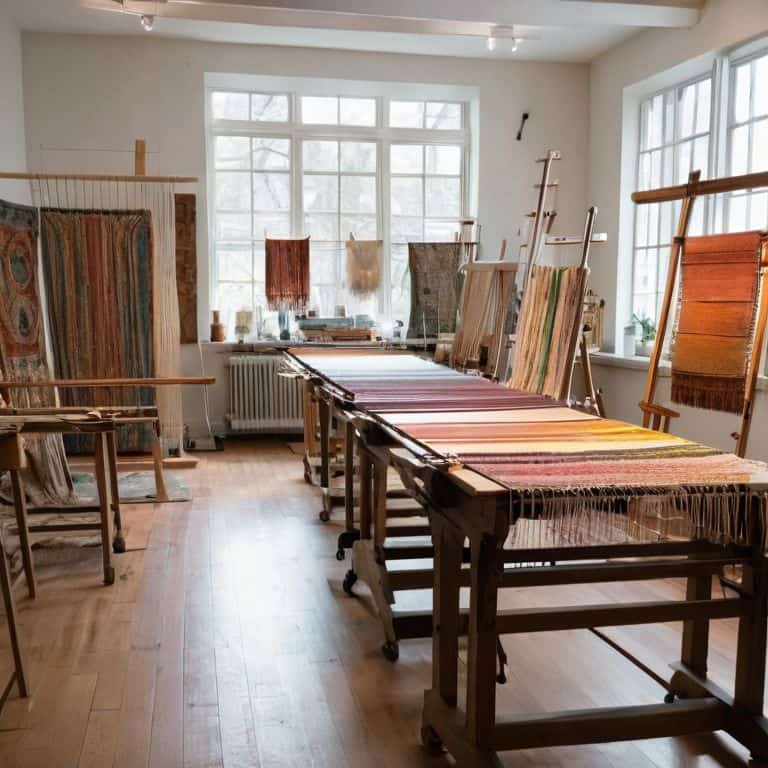
As I sit at my loom, surrounded by threads of every color and texture, I often wonder about the masters of the craft who have come before me. The world of tapestry art is a rich and vibrant one, full of famous tapestry artists to know who have pushed the boundaries of what is possible with yarn and thread. But for those just starting out, it can be daunting to navigate the vast and intricate landscape of this ancient craft. Where do you start? Who should you look to for inspiration?
In this list, I promise to introduce you to 5 visionary weavers who have redefined the art of tapestry making. From traditional techniques to modern innovations, these pioneers of the loom have inspired generations of artists and craftspeople. By exploring their lives, works, and contributions to the world of tapestry art, you’ll gain a deeper understanding of the craft and its many possibilities. You’ll learn about the techniques, materials, and creative visions that have made these artists household names, and perhaps even discover a new source of inspiration for your own weaving journey.
Table of Contents
- The Visionary Weaver
- The Visionary Weaver
- The Master of Color
- The Master of Color
- The Weaving Revolutionary
- The Weaving Revolutionary
- The Tapestry Tradition
- The Tapestry Tradition
- The Modern Weaver
- The Modern Weaver
- Weaving a Legacy: 3 Key Takeaways from the Masters
- Weaving a Legacy
- Weaving a Legacy: The Enduring Impact of Famous Tapestry Artists
- Frequently Asked Questions
The Visionary Weaver
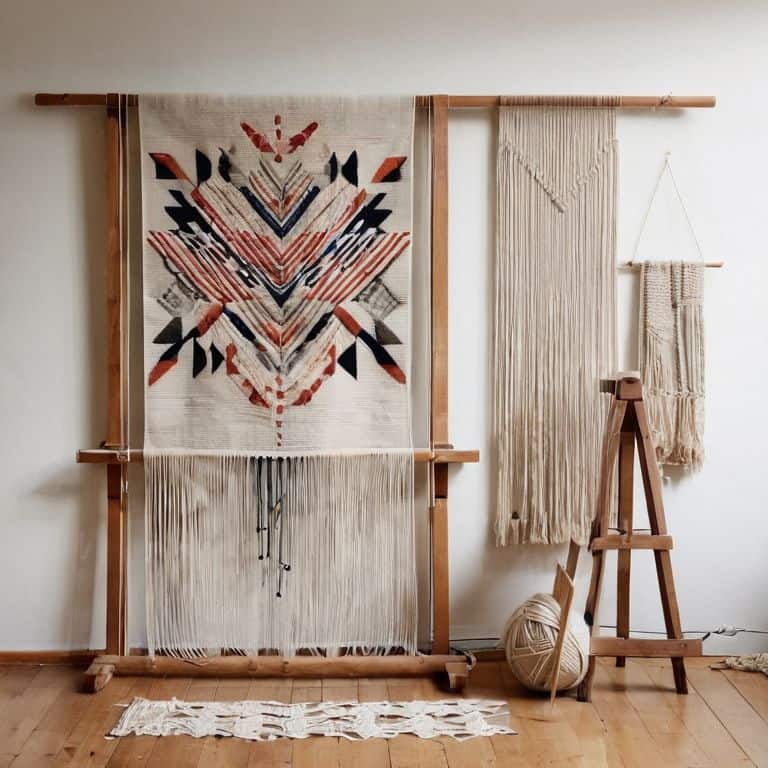
As I delve into the world of famous tapestry artists, I am reminded of the pioneering work of Anni Albers. Her contributions to the field of weaving are a testament to the fact that textile art can be both functional and aesthetically pleasing. With a background in architecture, I find her use of geometric patterns and minimalist designs particularly fascinating. Albers’ work has been a significant influence on my own approach to weaving, and I often find myself drawn to the clean lines and simple shapes that characterize her pieces. In my own studio, I have experimented with incorporating similar elements into my designs, and I am always excited to see how they can be reinterpreted in a modern context.
The Visionary Weaver
One of the things that I find most compelling about Anni Albers’ work is her ability to balance form and function. Her weavings are not just beautiful to look at; they are also incredibly durable and well-made. This attention to detail is something that I strive for in my own work, and I believe that it is essential for creating pieces that are truly timeless. Whether I am working on a large-scale installation or a smaller, more intimate piece, I always try to keep Albers’ principles in mind. By combining traditional techniques with modern materials and design sensibilities, I hope to create weavings that are both visually striking and deeply meaningful.
The Master of Color
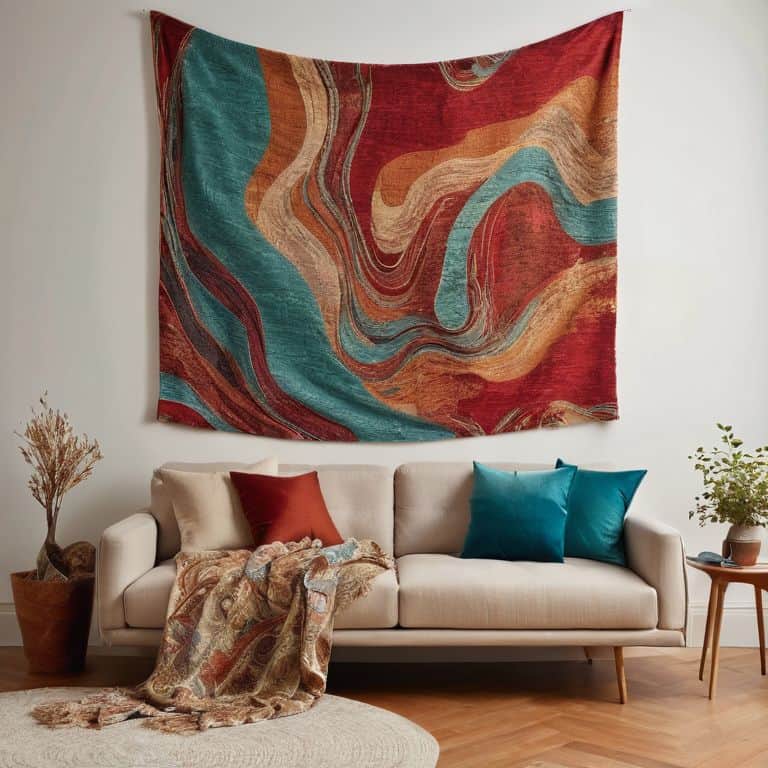
Another artist who has had a profound influence on my work is the legendary tapestry artist , Alexander Calder. While he is perhaps best known for his mobile sculptures, Calder’s work in textiles is equally impressive. His use of vibrant colors and dynamic shapes has inspired me to experiment with new color palettes and compositional techniques in my own weavings. I am particularly drawn to the way that Calder’s tapestries seem to dance with color, creating a sense of energy and movement that is hard to resist. By incorporating similar elements into my own designs, I hope to create pieces that are not just beautiful, but also emotionally resonant.
The Master of Color
As I explore Calder’s work in more depth, I am struck by his innovative approach to color theory. Rather than simply using color to create a visual effect, Calder seems to have understood that color can be a powerful emotional trigger. His tapestries are not just visually striking; they are also deeply expressive, conveying a sense of joy and wonder that is hard to find in other art forms. In my own studio, I have been experimenting with new ways of using color to evoke emotion, and I am excited to see where this journey takes me. By combining traditional weaving techniques with modern color theory, I hope to create pieces that are both beautiful and meaningful.
The Weaving Revolutionary
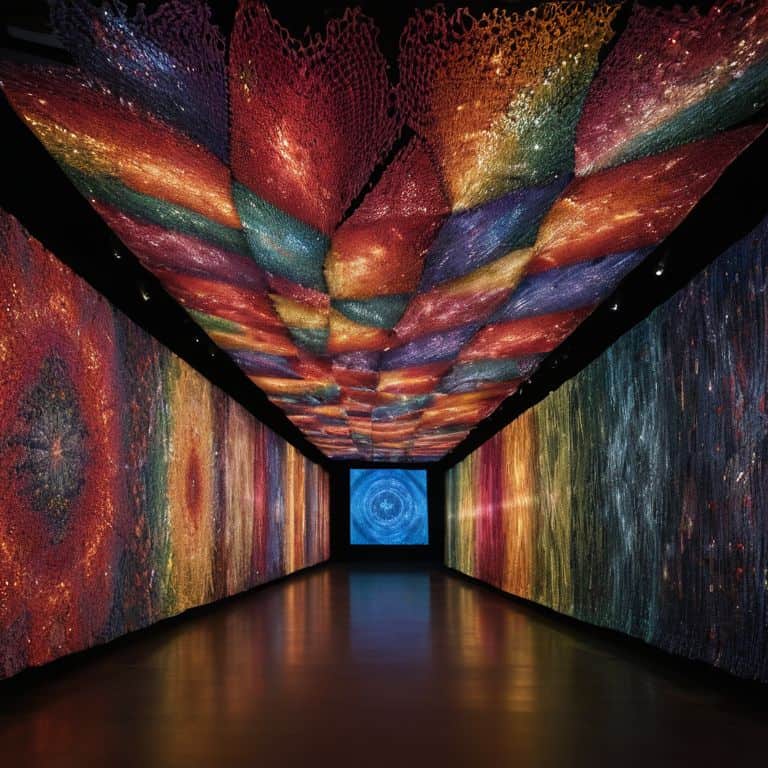
Sheila Hicks is another artist who has had a profound impact on my approach to weaving. Her experimental approach to fiber art has inspired me to push the boundaries of what is possible with traditional weaving techniques. Hicks’ use of unconventional materials and innovative methods has encouraged me to think outside the box and explore new ways of creating texture and interest in my weavings. I am particularly drawn to her large-scale installations, which seem to transform spaces and create new environments. By incorporating similar elements into my own designs, I hope to create pieces that are not just beautiful, but also immersive and interactive.
The Weaving Revolutionary
As I delve deeper into Hicks’ work, I am struck by her commitment to innovation. Rather than simply relying on traditional techniques, she has consistently sought to push the boundaries of what is possible with fiber art. This willingness to take risks and experiment with new materials and methods has inspired me to do the same in my own studio. By combining traditional weaving techniques with modern materials and design sensibilities, I hope to create pieces that are both visually striking and deeply meaningful. Whether I am working on a large-scale installation or a smaller, more intimate piece, I always try to keep Hicks’ spirit of innovation and experimentation in mind.
The Tapestry Tradition
The work of traditional tapestry artists such as the medieval weavers of Europe has also had a significant influence on my approach to weaving. Their use of intricate patterns and vibrant colors has inspired me to experiment with new design elements and color palettes in my own weavings. I am particularly drawn to the way that these traditional tapestries seem to tell stories, conveying myths and legends from a bygone era. By incorporating similar elements into my own designs, I hope to create pieces that are not just beautiful, but also narratively rich and historically resonant.
The Tapestry Tradition
As I explore the work of traditional tapestry artists in more depth, I am struck by their attention to detail. Rather than simply relying on modern machinery, these weavers used traditional techniques to create incredibly intricate and detailed designs. This attention to detail is something that I strive for in my own work, and I believe that it is essential for creating pieces that are truly timeless. By combining traditional weaving techniques with modern materials and design sensibilities, I hope to create weavings that are both visually striking and deeply meaningful. Whether I am working on a large-scale installation or a smaller, more intimate piece, I always try to keep the traditional tapestry artists’ spirit of craftsmanship and attention to detail in mind.
The Modern Weaver
Finally, the work of modern weavers such as Christy Matson has inspired me to experiment with new materials and techniques in my own studio. Her use of unconventional fibers and innovative methods has encouraged me to think outside the box and explore new ways of creating texture and interest in my weavings. I am particularly drawn to her large-scale installations, which seem to transform spaces and create new environments. By incorporating similar elements into my own designs, I hope to create pieces that are not just beautiful, but also immersive and interactive.
The Modern Weaver
As I delve deeper into Matson’s work, I am struck by her commitment to sustainability. Rather than simply relying on traditional materials, she has consistently sought to push the boundaries of what is possible with eco-friendly fibers. This willingness to take risks and experiment with new materials and methods has inspired me to do the same in my own studio. By combining traditional weaving techniques with modern materials and design sensibilities, I hope to create pieces that are both visually striking and deeply meaningful. Whether I am working on a large-scale installation or a smaller, more intimate piece, I always try to keep Matson’s spirit of innovation and sustainability in mind.
Weaving a Legacy: 3 Key Takeaways from the Masters
As I reflect on the works of these renowned tapestry artists, I’m reminded that the true beauty of weaving lies in its ability to merge texture, color, and form into a cohesive piece of art that transcends time and trends.
The use of natural fibers, such as linen and raw silk, is a common thread among many of these artists, and it’s a testament to the versatility and expressiveness of these materials in creating intricate, layered designs.
Whether you’re a seasoned weaver or just starting to explore the world of tapestry art, the works of these masters invite you to experiment, innovate, and push the boundaries of what’s possible with fiber, encouraging you to see weaving as a form of architectural design – building with yarn, one thread at a time.
Weaving a Legacy
The true masters of the loom are not just weavers, but architects of texture, form, and beauty, who inspire us to see the intricate dance of threads as a testament to human creativity and innovation.
Ethan Thorne
Weaving a Legacy: The Enduring Impact of Famous Tapestry Artists
As we conclude our journey through the world of famous tapestry artists, it’s clear that each of these visionaries has left an indelible mark on the craft. From the intricate, large-scale installations that push the boundaries of texture and form, to the delicate, hand-woven pieces that showcase the beauty of traditional techniques, every artist on our list has demonstrated a unique understanding of the medium. Whether you’re a seasoned weaver or just beginning to explore the world of fiber art, the works of these masters are sure to inspire and educate.
As you embark on your own weaving journey, remember that the true beauty of tapestry art lies not just in its technical proficiency, but in its ability to elevate the human experience. So let the works of these famous tapestry artists be your guide, and don’t be afraid to experiment, innovate, and push the boundaries of what’s possible with yarn and thread. With every pass of the shuttle, you’ll be weaving not just a piece of fabric, but a piece of yourself into the rich and storied tradition of tapestry art.
Frequently Asked Questions
What inspires famous tapestry artists to create such intricate and beautiful works of art?
For me, inspiration comes from the intersection of nature and architecture. I find solace in the textures of raw fibers, the play of light on woven structures, and the simplicity of minimalist design. These elements converge to spark ideas for my own woven art installations, and I believe many famous tapestry artists draw inspiration from similar sources.
How do contemporary tapestry artists push the boundaries of traditional weaving techniques?
I’m fascinated by how contemporary tapestry artists experiment with unconventional materials and techniques, blending traditional methods with modern twists. They might incorporate found objects, digitally print designs, or even use 3D printing to create innovative textures and forms, redefining the art of weaving and pushing the boundaries of what’s possible with thread and fiber.
What role do famous tapestry artists play in preserving and innovating the ancient craft of weaving for future generations?
As a weaver, I believe famous tapestry artists play a vital role in preserving and innovating our craft. They inspire new techniques, push boundaries, and keep traditional methods alive, ensuring the art of weaving continues to evolve and thrive for future generations. Their work sparks creativity, encouraging others to explore and build upon the foundations they’ve laid.
