
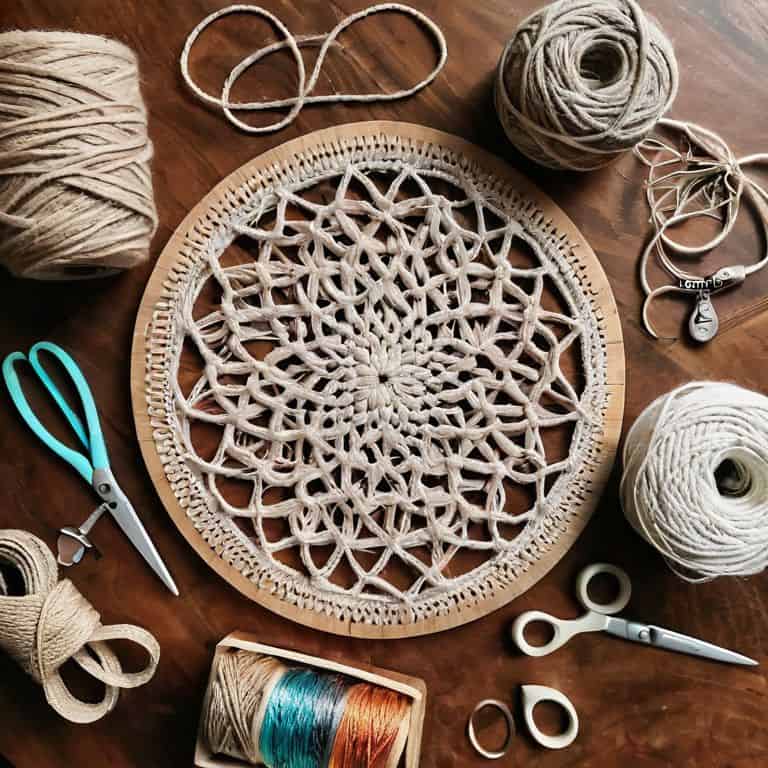
I still remember the first time I attempted macrame – I was so excited to create a beautiful plant hanger, but I ended up with a mess of tangled cords and a lot of frustration. The problem was, I had no idea what kind of cord to use for macrame. I thought any old string would do, but boy was I wrong. It wasn’t until I discovered the joy of working with chunky yarns and cotton ropes that my macrame journey really took off. Now, I’m passionate about sharing my knowledge with others, so they can avoid the same mistakes I made.
In this article, I’ll give you the lowdown on choosing the perfect cord for your macrame projects. I’ll share my favorite types of cords, from soft cotton ropes to colorful yarns, and provide you with practical tips on how to select the right one for your needs. Whether you’re a beginner or an experienced maker, you’ll learn how to pick the best cord for your project and create something truly unique. So, if you’re ready to take your macrame skills to the next level, keep reading – I’ve got you covered with honest, no-hype advice on what kind of cord to use for macrame.
Table of Contents
Guide Overview: What You'll Need
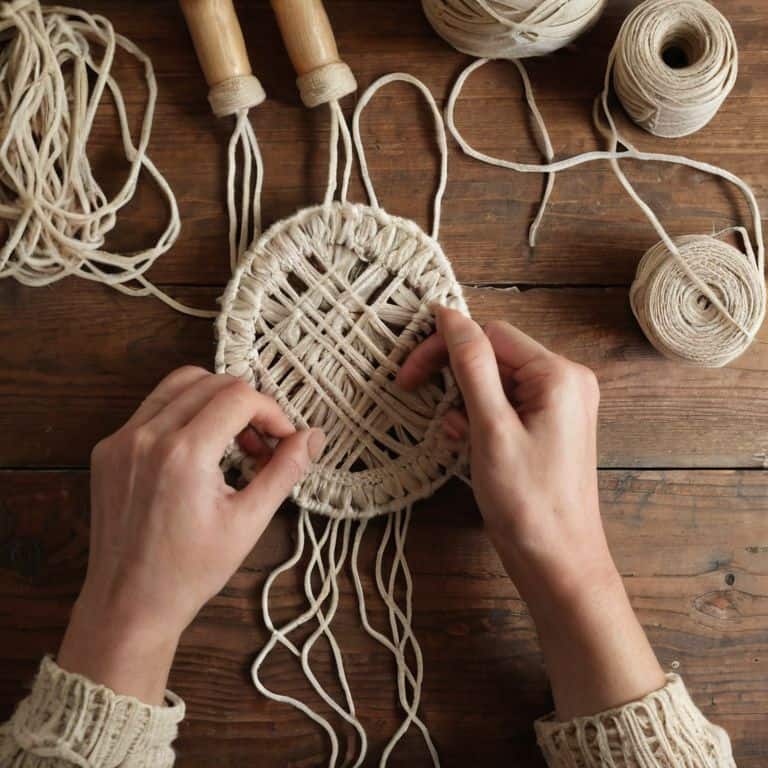
Total Time: 30 minutes to 1 hour
Estimated Cost: $10 – $30
Difficulty Level: Easy
Tools Required
- Scissors (sharp and dedicated to cutting cord)
- Board or other stable surface (for measuring and cutting cord)
- Tape measure or ruler (for measuring cord lengths)
- Cord clip or clamp (optional, for managing cord ends)
Supplies & Materials
- Cotton rope or cord (3 millimeters to 6 millimeters in diameter, suitable for macrame)
- Hemp cord (available in various sizes, popular for plant hangers)
- Jute twine or cord (a natural, earthy option for macrame projects)
- Lace or embroidery floss (for decorative elements or finer details)
- Waxed cord or yarn (for added strength and texture in macrame designs)
Step-by-Step Instructions
- 1. First, let’s talk about the foundation of any macrame project: the cord. I always say, choose a cord that speaks to you – something with a bit of texture and personality, like a cotton rope or a chunky yarn. This will add _real character_ to your piece and make it truly unique.
- 2. Next, consider the thickness of your cord. You want something that’s easy to work with, but not so thin that it gets lost in the knots. I like to use a cord that’s around 3-4 mm in thickness – it’s perfect for creating _intricate patterns_ and textures.
- 3. Now, let’s think about the material of your cord. I’m a big fan of using natural fibers like cotton, wool, or hemp. They have a _beautiful texture_ and a subtle scent that adds to the overall charm of your macrame piece. Plus, they’re environmentally friendly, which is a big plus in my book.
- 4. When it comes to color, the options are endless! I love using earthy tones like beige, brown, and green to create a _bohemian vibe_. But you can also use bright colors like pink, blue, or yellow to add a pop of fun to your project. Just remember, the color of your cord will set the tone for the entire piece, so choose wisely.
- 5. Once you’ve chosen your cord, it’s time to think about the length. You’ll want to make sure you have enough cord to complete your project, but not so much that it gets in the way. A good rule of thumb is to start with a length that’s around 2-3 times the size of your finished project. This will give you _plenty of room_ to work with and make adjustments as needed.
- 6. Now that you have your cord, it’s time to condition it. This means soaking it in water to make it more pliable and easier to work with. I like to soak my cord for at least an hour before starting a project – it makes a big difference in the _final result_.
- 7. Finally, it’s time to cut your cord to the desired length. I like to use a sharp pair of scissors or a craft knife to make a clean cut. Make sure to cut your cord at an angle to prevent fraying, and _seal the ends_ with a bit of wax or glue to keep them from unraveling.
What Kind of Cord to Use for Macrame
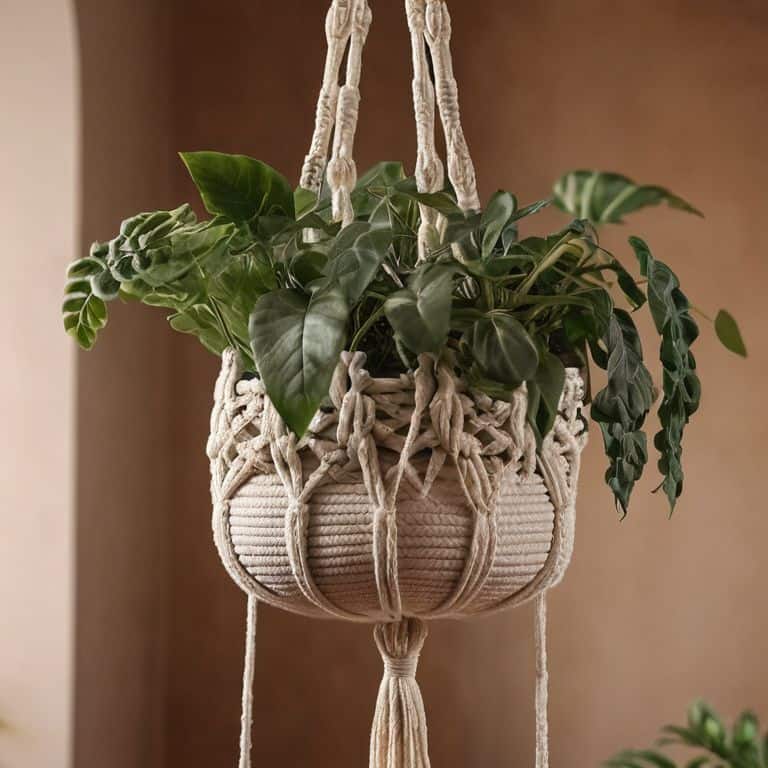
When it comes to selecting the perfect cord for your macrame project, I always say experiment with different textures. You’d be surprised at how a simple cotton rope or a chunky yarn can add depth and character to your piece. For instance, if you’re making a plant hanger, a natural fiber cord like cotton or hemp would be an excellent choice. Not only does it complement the organic feel of the plants, but it also adds a touch of earthy charm to the overall design.
As a beginner, it’s essential to consider the types of macrame rope available. You can choose from a variety of materials, including synthetic and natural fibers. While synthetic cords can be more durable, I personally prefer working with cotton rope or other natural fibers. They have a unique, organic quality that makes each piece truly special. Plus, they’re often easier to work with, especially for beginners.
For those just starting out, I recommend exploring macrame project ideas for beginners that incorporate different cord materials and thicknesses. This will help you develop a sense of what works best for you and your style. Remember, the key to creating stunning macrame pieces is to choose the right macrame string for the job. Don’t be afraid to try out new combinations and see what magic you can create!
Cotton vs Synthetic the Verdict
For me, the choice between cotton and synthetic cords comes down to the vibe I want to create. Cotton cords have a natural, earthy feel that’s perfect for bohemian-inspired pieces, while synthetic cords offer a sleek, modern look. I love using cotton cords for my plant hangers and wall hangings, as they add a touch of organic charm. On the other hand, synthetic cords are great for more contemporary designs, like geometric patterns or minimalist decor.
Ultimately, the verdict is: it’s all about personal preference! If you’re going for a rustic, homespun look, cotton might be the way to go. But if you’re aiming for something more polished and modern, synthetic could be your best bet.
Unraveling Macrame Rope Types
Unraveling Macrame Rope Types
I just love experimenting with different rope types – it’s amazing how a simple switch can completely transform your macrame project. For a bohemian vibe, I swear by cotton rope – it’s got a gorgeous texture that adds depth to any piece. But if you’re looking for something a bit more sleek, a synthetic rope like nylon or polyester can give your macrame a really modern edge. And then there’s the chunky stuff – like a thick wool or jute rope – that’s perfect for adding some serious drama to a wall hanging or plant holder.
My Top 5 Tips for Choosing the Perfect Macrame Cord
- Consider the texture and personality you want to add to your piece – a cotton rope or chunky yarn can add a lovely organic feel
- Think about the weight and durability you need – if you’re making a plant hanger, you’ll want something sturdy that can hold the weight of the pot
- Don’t be afraid to mix and match different cord types and textures to create a unique and eye-catching design
- Remember, the color of your cord can completely change the vibe of your project – choose a hue that complements your space and style
- Experiment with different cord thicknesses to achieve the desired level of detail and visual interest – sometimes a thinner cord can create a more delicate, intricate design
My Top 3 Tips for Choosing the Perfect Macrame Cord
Opt for cords with texture and personality, like cotton ropes or chunky yarns, to add character to your macrame pieces
Consider the project’s intended use and environment when deciding between cotton and synthetic cords – cotton is great for indoor decor, while synthetic cords can withstand outdoor conditions
Don’t be afraid to experiment with different cord types and colors to find the perfect combination that reflects your personal style and complements your space
The Heart of Macrame
The right cord can elevate your macrame from mere decor to a statement piece that tells a story – it’s all about embracing the texture, the twist, and the tactile thrill of working with a material that’s as much a part of the art as the knots themselves.
Ruby Warren
Weaving Together the Perfect Macrame
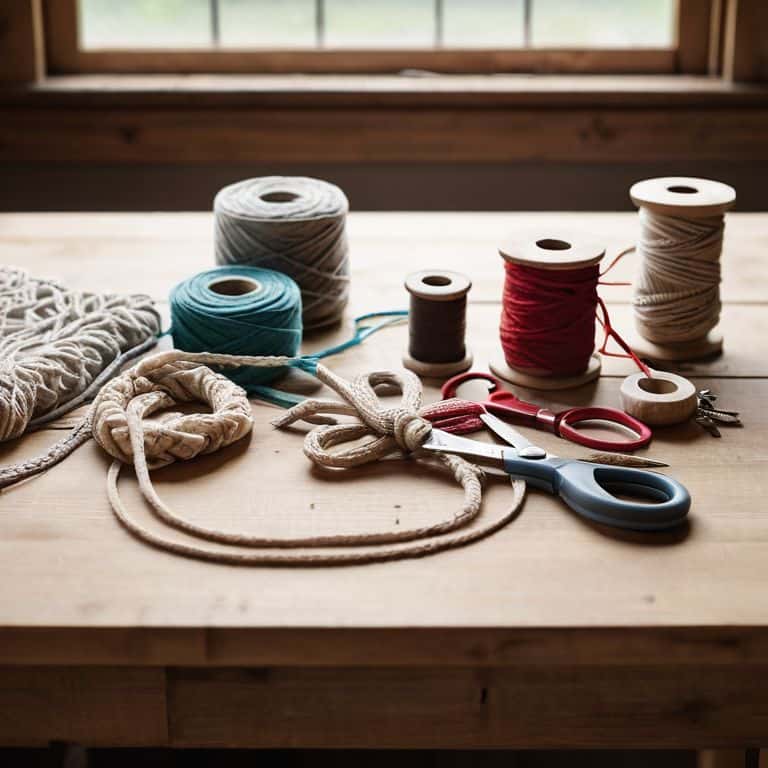
As we’ve explored the world of macrame cords, it’s clear that the right choice can make all the difference in your project. From the versatility of cotton ropes to the durability of synthetic options, each type has its own unique characteristics that can elevate your handmade pieces. Remember, experimentation is key – don’t be afraid to try out different textures and materials to find the one that resonates with your creative vision. Whether you’re a seasoned fiber artist or just starting out, the journey to finding the perfect cord is an exciting one, full of possibilities and discoveries.
So, as you embark on your next macrame adventure, I encourage you to unleash your creativity and let your imagination run wild. Don’t just follow a pattern – add your own twist, try out new techniques, and make that project truly yours. With every stitch, you’re not just creating something beautiful – you’re telling a story, one that’s woven with love, care, and a deep connection to the handmade process. Happy making, friends!
Frequently Asked Questions
What's the best cord material for a macrame plant hanger that will be exposed to outdoor elements?
For outdoor macrame plant hangers, I swear by cotton rope or a durable, water-resistant yarn – they can withstand the elements and add a lovely organic vibe to your piece. Just make sure to seal or treat the cord to protect it from excessive moisture, and you’re golden!
Can I mix different types of cords in a single macrame project for a unique texture?
I love experimenting with mixed textures, and yes, you can definitely combine different cord types in one project. I’ve had fun mixing cotton rope with chunky yarn or suede cord for a unique, eclectic look – it adds an extra layer of visual interest and personality to your piece!
How do I know if a cord is too thick or too thin for the specific macrame pattern I'm trying to create?
Honestly, I always say trust your instincts – if the cord looks too bulky or too dainty for the pattern, it probably is. Try wrapping it around your fingers or holding it up against your project to get a feel for the scale. You can also experiment with different cord sizes to see what works best for your design, and don’t be afraid to adjust as you go!
