
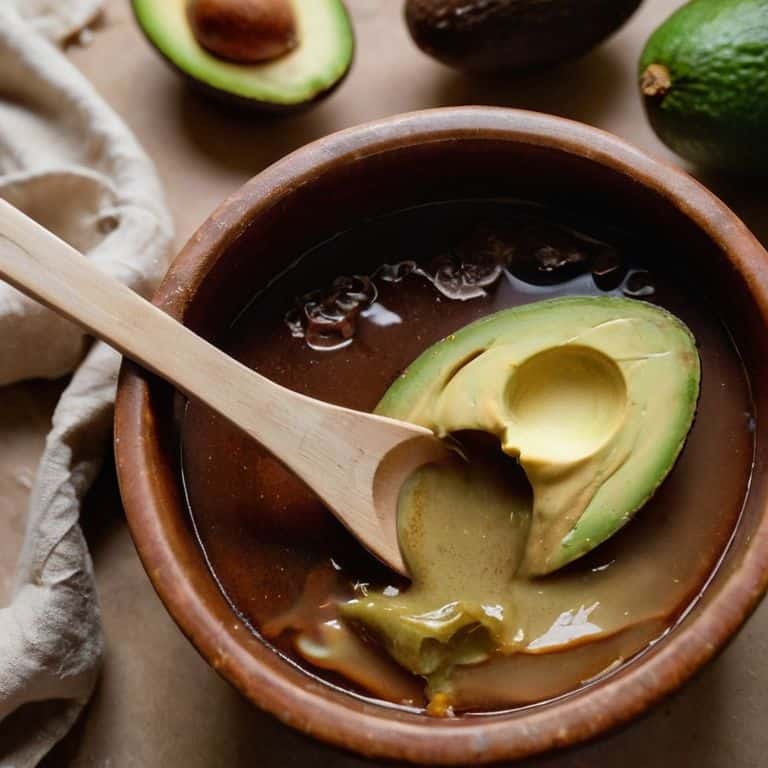
I still remember the first time I stumbled upon a natural dyeing with avocado pits and onion skins workshop at a fiber festival. I was fascinated by the idea of creating these gorgeous, earthy hues from everyday ingredients. But what really caught my attention was the sense of community that came with it – everyone was sharing their own experiments, successes, and failures. As I delved deeper into the world of natural dyeing, I realized that there’s a common misconception that it’s a complicated, time-consuming process. However, I’ve found that with the right guidance, it can be a fun and rewarding experience.
In this article, I’ll share my own experiences and tips for natural dyeing with avocado pits and onion skins, covering the basics of how to get started, what to expect, and some common mistakes to avoid. I’ll take you through a step-by-step guide on how to create your own unique, sustainable dyes using these unexpected ingredients. Whether you’re a seasoned crafter or just starting out, my goal is to provide you with practical advice and inspiration to explore the world of natural dyeing. By the end of this article, you’ll be equipped with the knowledge and confidence to start experimenting with natural dyeing with avocado pits and onion skins and discover the joy of creating something truly unique and special.
Table of Contents
- Guide Overview: What You'll Need
- Step-by-Step Instructions
- Natural Dyeing With Avocado Pits and Onion Skins
- Unlocking Natural Dyeing Secrets
- Avocado Pit Dye Recipe Uncovered
- Onion Skin Dye Process a Beginners Gateway
- Onion Skin Natural Dye Process Revealed
- Unlocking Avocado Pit Dye Recipe Secrets
- Weaving Wisdom: 5 Essential Tips for Natural Dyeing with Avocado Pits and Onion Skins
- Key Takeaways from Natural Dyeing with Avocado Pits and Onion Skins
- The Beauty of Natural Dyeing
- Weaving a Sustainable Future
- Frequently Asked Questions
Guide Overview: What You'll Need
Total Time: 2 hours 30 minutes
Estimated Cost: $10 – $20
Difficulty Level: Easy
Tools Required
- Large Pot (at least 3-quart capacity)
- Colander (for straining)
- Measuring Cups (1 cup and 2 cup)
- Wooden Spoon (for stirring)
- Mason Jars (with lids, for storing dye)
- Cheesecloth (or a clean, thin towel)
Supplies & Materials
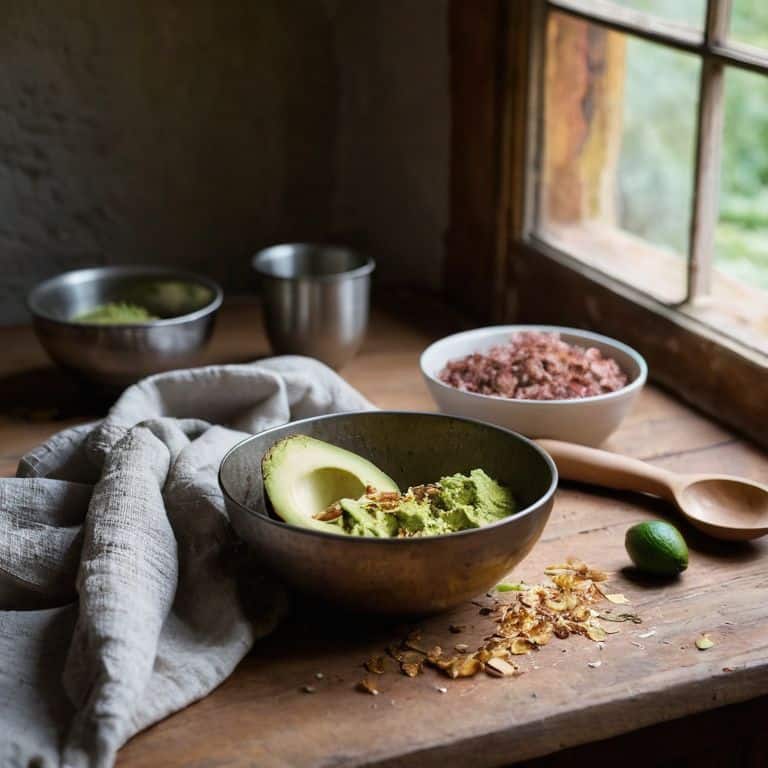
- Avocado Pits (about 4-6 pits for a medium shade)
- Onion Skins (about 2 cups for a medium shade)
- Water (enough to cover pits and skins, about 2 quarts)
- Alum (Aluminum Sulfate) (1 tablespoon, as a mordant)
- Fabric (natural fibers like cotton, linen, or silk, about 1 yard)
- Salt (1 teaspoon, optional)
Step-by-Step Instructions
- 1. To start our natural dyeing journey with avocado pits and onion skins, gather your materials. You’ll need a few simple things like avocado pits, onion skins, a large pot, some water, and the fabric or yarn you want to dye. I love collecting unique materials from my travels to fiber festivals, and I’ve found that the most interesting dyes often come from unexpected places.
- 2. Next, prepare your avocado pits. You’ll want to dry them out completely, which can take a few days to a week, depending on the humidity where you live. I like to spread them out on a paper towel and let them air dry, checking on them periodically to make sure they’re not developing any mold. Once they’re dry, you can grind them into a powder using a spice grinder or mortar and pestle.
- 3. Now it’s time to create your dye bath. Fill your large pot with water, and add the ground avocado pit powder. I usually use about one cup of powder for every gallon of water, but you can experiment with different ratios to achieve the color you want. Bring the mixture to a boil, then reduce the heat and let it simmer for about an hour, or until the water has taken on a rich, brown color.
- 4. While your dye bath is simmering, prepare your onion skins. You’ll want to dry them out as well, using the same method as the avocado pits. Once they’re dry, you can add them to the dye bath and continue to simmer for another 30 minutes to an hour. The onion skins will add a beautiful, golden tone to your dye.
- 5. Once your dye bath is ready, it’s time to add your fabric or yarn. Make sure it’s been washed and dried before dyeing, and that you’ve removed any finishing agents that might affect the dye. I like to use a gentle stirring motion to distribute the dye evenly, and then let it simmer for about an hour, or until the fabric or yarn has taken on the desired color.
- 6. After an hour, remove your fabric or yarn from the dye bath and rinse it gently with cold water to stop the dyeing process. You can then wash it in warm water with a mild detergent to remove any excess dye. I love seeing the finished product and hearing the stories behind each unique piece.
- 7. Finally, experiment and have fun! Natural dyeing is all about embracing the unknown and enjoying the process. Don’t be afraid to try new things and see what happens – you might be surprised at the beautiful, one-of-a-kind colors you can create using avocado pits and onion skins.
Natural Dyeing With Avocado Pits and Onion Skins
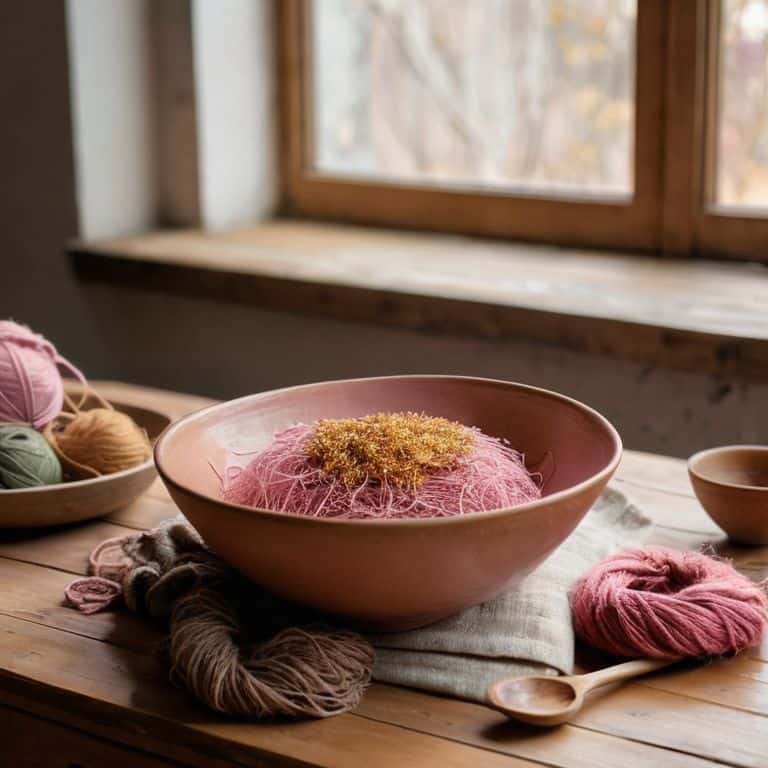
As I’ve delved deeper into the world of natural dyeing, I’ve become fascinated by the avocado pit dye recipe and how it can be combined with onion skin to create unique, earthy hues. I’ve had the chance to talk to several makers who swear by this method, and it’s amazing to see the variety of shades they can achieve. One of my favorite things about this process is the way it encourages experimentation and creativity – it’s not just about following a formula, but about listening to the materials and seeing where they take you.
When it comes to the onion skin dye process, I’ve found that it’s all about patience and attention to detail. It’s a slower, more meditative process that requires a willingness to let go of control and see what emerges. I’ve been experimenting with combining onion skin with other plant-based dyes, and the results are really striking. Whether you’re a seasoned pro or a natural dyeing for beginners, there’s something special about working with these materials and seeing the beauty that can be coaxed out of them.
One of the things that draws me to this world is the connection to sustainable fashion practices. By using avocado pits and onion skins, we’re not only creating something beautiful, but also reducing waste and promoting a more mindful approach to craft. It’s a reminder that even the smallest actions can have a big impact, and that every skein of yarn has a story to tell. As I continue to explore this world, I’m excited to see where the intersection of craft, community, and wellness takes us.
Unlocking Natural Dyeing Secrets
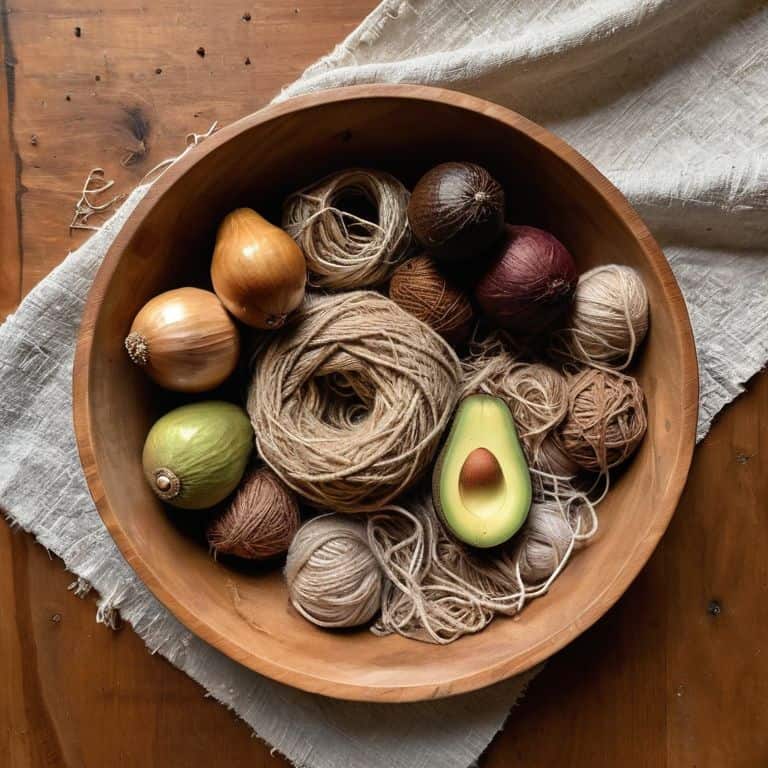
As I delved deeper into the world of natural dyeing, I discovered that the key to achieving unique and vibrant colors lies in experimenting with different avocado pit dye recipe combinations. I met a talented dyer who shared with me her secret to creating a stunning range of hues by combining avocado pits with onion skins. The result was a beautiful, earthy palette that added a new dimension to her textiles.
I was fascinated by the onion skin natural dye process and how it could be used to create a variety of shades, from soft golden yellows to deep, rich browns. By combining onion skins with avocado pits, dyers can create a unique and sustainable plant based dye for fabric that not only reduces waste but also produces stunning results.
For natural dyeing for beginners, it’s essential to start with simple recipes and gradually experiment with different combinations of natural dyes. I’ve found that the avocado and onion skin dye combination is an excellent starting point, as it yields a beautiful, muted color palette that’s perfect for creating unique and eco-friendly textiles. By embracing sustainable fashion dyeing methods, we can not only reduce our environmental footprint but also create truly one-of-a-kind pieces that tell a story.
Avocado Pit Dye Recipe Uncovered
As I delved deeper into the world of natural dyeing, I met incredible artisans like Emma, who shared her secrets for coaxing stunning hues from avocado pits. Her recipe is surprisingly simple: combine 2 cups of water with 1 cup of dried avocado pits in a pot, bring to a boil, then simmer for an hour. The resulting dye bath yields a range of warm, earthy tones that are perfect for adding a touch of organic elegance to any fiber project. I’ve had the chance to try this recipe myself, and I’m amazed by the unique variations that emerge with each batch.
Onion Skin Dye Process a Beginners Gateway
I’ve had the chance to talk to several natural dyers who swear by onion skins as a gateway to this craft. They love how easy it is to get started – just collect those skins you’d normally toss, and you’re on your way. The process is pretty straightforward: simmer the skins in water, then add your yarn or fabric. I’ve seen some stunning shades come out of this simple technique, from deep golden hues to soft, muted browns. It’s amazing to think that something we often consider waste can become a key to unlocking such beauty.
Onion Skin Natural Dye Process Revealed
As I delved deeper into the world of natural dyeing, I met Rachel, a skilled artisan who shared with me her secrets for coaxing stunning shades from onion skins. Her process is almost meditative, as she carefully selects and prepares the skins to unleash their hidden colors. I was fascinated by the way she combines the onion skins with other natural elements to create unique, nuanced hues.
Rachel’s onion skin dye process involves simmering the skins in water to release their pigments, which are then mixed with other ingredients to achieve the desired shade. The result is a range of warm, earthy tones that add depth and character to any fabric. I was struck by the beauty of this process, and the way it celebrates the imperfections and surprises that come with working with nature.
Unlocking Avocado Pit Dye Recipe Secrets
As I dug deeper into the world of natural dyeing, I found myself captivated by the unique charm of avocado pit dye. I’ve had the chance to chat with some incredibly talented makers who have mastered this technique, and I’m excited to share some of their secrets with you. From the subtle shades of pink to the rich browns, avocado pit dye offers a remarkable range of possibilities. I’ve learned that the key to unlocking these stunning hues lies in the preparation and combination of the avocado pits with other natural ingredients.
I’ve tried my hand at it, and while my attempts haven’t always been successful, I’ve discovered that the process is just as important as the end result. The journey of experimentation, of trying new things and learning from mistakes, is where the real magic happens. And that’s what I love about natural dyeing – it’s an invitation to slow down, get creative, and connect with the world around us.
Weaving Wisdom: 5 Essential Tips for Natural Dyeing with Avocado Pits and Onion Skins
- I’ve learned that the key to achieving rich, consistent colors with avocado pit dye is to use a combination of fresh and dried pits – the mix of tannins creates a depth of hue that’s just stunning
- When working with onion skin dyes, it’s crucial to experiment with different mordanting agents, like alum or cream of tartar, to unlock the full range of possible colors and shades
- To get the most out of your natural dyeing process, consider the water quality and pH level – I’ve found that using rainwater or filtered water can make a big difference in the final result
- Don’t be afraid to combine avocado pit and onion skin dyes for unique, multi-tonal effects – I’ve seen some incredible results from makers who have experimented with layering these dyes
- Remember, natural dyeing is all about embracing the unpredictable and telling a story with your craft – don’t stress if your results aren’t exactly as expected, and enjoy the journey of discovery and experimentation
Key Takeaways from Natural Dyeing with Avocado Pits and Onion Skins
I’ve learned that the simplest, most sustainable materials like avocado pits and onion skins can be transformed into stunning natural dyes, adding a unique story to every handmade project
Experimenting with natural dyeing has not only deepened my connection to the fiber arts community but also opened my eyes to the innovative ways makers are reducing waste and promoting eco-friendly practices
Whether you’re a seasoned crafter or just starting out, I encourage you to explore the world of natural dyeing – it’s a journey that will inspire your creativity, nourish your soul, and connect you with like-minded individuals who share your passion for storytelling through craft
The Beauty of Natural Dyeing
There’s something truly magical about coaxing color from the earth itself, and for me, natural dyeing with avocado pits and onion skins is more than just a process – it’s a way to weave a story of sustainability, community, and the human touch into every thread.
Noah Byrne
Weaving a Sustainable Future
As I reflect on my journey with natural dyeing using avocado pits and onion skins, I’m reminded of the beauty of experimentation and the importance of sustainability in our craft. From unlocking the secrets of avocado pit dye recipes to exploring the beginner-friendly onion skin dye process, I’ve discovered that natural dyeing is not just about creating unique, earthy hues, but also about connecting with nature and reducing our environmental footprint. Whether you’re a seasoned maker or just starting out, I encourage you to join me in this journey and explore the endless possibilities of natural dyeing.
As we conclude this exploration of natural dyeing with avocado pits and onion skins, I want to leave you with a final thought: the true magic of craft lies not just in the materials we use, but in the stories we tell and the connections we make. So, let’s continue to celebrate the makers and their stories, and let’s keep weaving a sustainable future, one skein of yarn at a time. Remember, every skein has a story to tell, and I’d love to hear yours – what are you working on?
Frequently Asked Questions
What are some common challenges people face when trying to achieve consistent colors with avocado pit and onion skin dyes?
I’ve heard from many dyers that achieving consistent colors with avocado pit and onion skin dyes can be a challenge – it’s all about experimenting with ratios, temperatures, and steeping times. I’ve seen some folks keep detailed journals to track their processes and results, which helps them nail down the perfect combination for their desired hues.
How do the colors produced by avocado pits and onion skins change or deepen over time, and are there any tips for making them more lightfast?
I’ve noticed that colors from avocado pits and onion skins can beautifully deepen over time, but it’s true they can also fade. To improve lightfastness, I’ve learned that adding a natural mordant like pomegranate or weld can help, and some dyers swear by using a fixative to set the color – it’s all about experimentation and patience!
Can you combine avocado pit and onion skin dyes with other natural dyes to create unique, multi-tonal colors, and if so, what are some favorite combinations?
I love experimenting with combining different natural dyes, and yes, you can definitely mix avocado pit and onion skin dyes with others to create unique, multi-tonal colors. I’ve seen some amazing combos, like avocado pit and indigo for a rich, denim-inspired blue, or onion skin and turmeric for a warm, golden hue – what are you working on, and have you tried any exciting dye combinations lately?
