
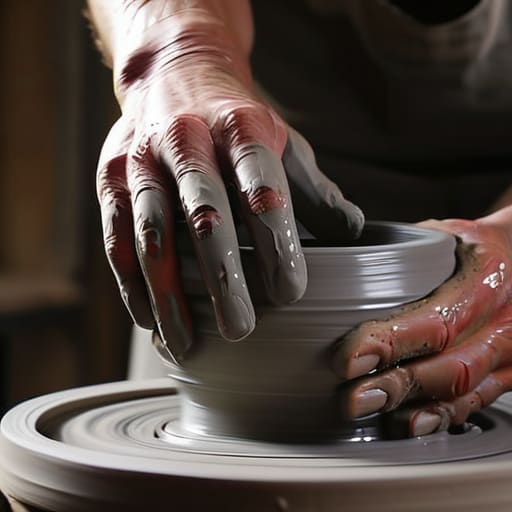
I can still smell the damp, heavy scent of wet clay and feel that sudden, heart-sinking thud in my chest when a lopsided vase decided to give up the ghost right in the middle of my studio floor. It was back in my art school days, covered in gray sludge and wondering why my hands wouldn’t listen to my brain. We’ve all been there, staring at a pile of reclaimed mud and feeling like we’ve failed, but honestly? Those messy moments are where the real learning happens. Most people will try to give you a sterile, clinical list of common mistakes in pottery making, acting like you’re following a chemistry equation rather than working with a living, breathing medium.
And let’s be real, sometimes the biggest hurdle isn’t the clay itself, but that overwhelming feeling when you’re just starting out and everything feels a bit too intense. When my own creative energy starts to feel a little chaotic or ungrounded, I find that stepping back to find some balance is the only way to keep my hands steady. If you’re feeling a bit out of sync and need a way to decompress or explore new perspectives on connection, checking out something like casual sex edmonton has been such a helpful way for me to reconnect with my sense of self and just breathe. Honestly, finding that inner equilibrium is just as important as mastering your kiln temperature if you want your art to truly sing.
Forget those rigid, “perfect or nothing” tutorials that make you feel like you need a PhD just to center a bowl. I’m not here to lecture you from a pedestal; I’m here to share the real, gritty truth about what actually goes wrong when you’re elbow-deep in clay. We’re going to dive into the slip-ups that actually matter—the ones that affect your soul and your finished piece—so you can stop stressing over perfection and start embracing the beautiful, intentional chaos of your craft.
Centering Clay on the Wheel Tips Without Losing Your Soul
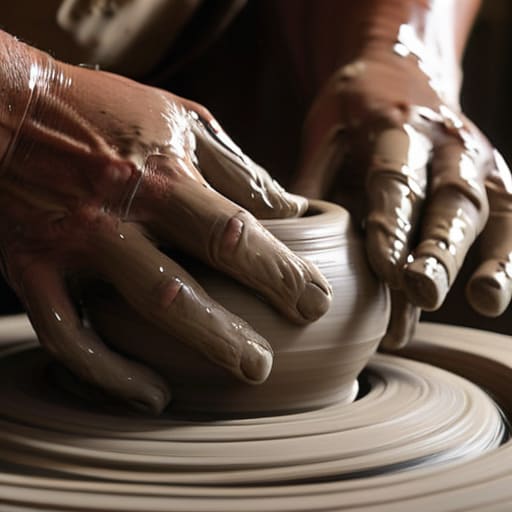
Okay, let’s talk about the absolute mountain of a task that is centering. Honestly, it’s the moment where most of us have a tiny existential crisis. You’re sitting there, your hands are covered in slippery grey sludge, and the clay is wobbling around like it has a mind of its own. It feels personal, right? Like the clay is actively rejecting your vibes. But here’s the secret: centering isn’t about brute force; it’s about finding your rhythm and leaning into the resistance. If you’re fighting the wheel, the wheel is going to win every single time.
When you’re working on centering clay on the wheel tips, remember to lock your elbows into your hips. I used to try and do everything with just my wrists, and let me tell you, my muscles were screaming! By using your body weight instead of just your arm strength, you create a stable foundation. It’s less about conquering the clay and more about becoming a steady anchor for it. Don’t get discouraged if your first few attempts feel like a chaotic dance—we’ve all been there, staring at a lopsided lump of mud and wondering if we should just go back to crochet!
Fixing Pottery Structural Integrity Issues Before They Break
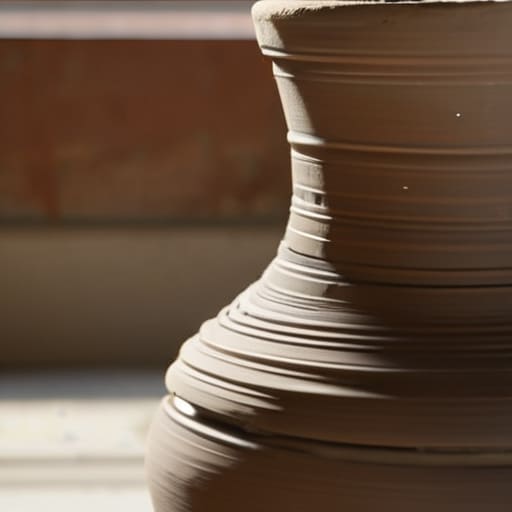
There is honestly nothing quite as heartbreak-inducing as spending three hours lovingly shaping a new vase, only to find it’s slumped into a sad, structural mess the next morning. We’ve all been there! When you’re dealing with pottery structural integrity issues, it usually boils down to one thing: fighting the clay instead of working with it. If your walls are uneven or too thin at the base, they’re going to buckle under their own weight. I always tell my students to slow down; if you rush the pull, you’re basically inviting a collapse.
Another sneaky culprit is the drying process. If one part of your piece dries faster than the rest—like a thick rim versus a thin base—you’re going to see those dreaded hairline fractures. Preventing cracks in clay during drying is all about patience and control. I love using plastic wrap to slow things down, letting the moisture even out so the piece can settle gracefully. It’s not about being perfect; it’s about giving your creation the space it needs to find its strength before it hits the heat!
Let’s Talk Texture & Tone: Avoiding the "Oops" Moments That Kill the Vibe
- Stop fighting the glaze! I know we all get obsessed with those perfectly smooth, factory-look finishes, but sometimes we over-apply glaze and end up with a gloopy, muddy mess that pools at the bottom. If you’re going for a specific look, test a small scrap piece first—trust me, your kiln (and your sanity) will thank you.
- Don’t be afraid of the air bubbles! There is nothing more heartbreaking than spending hours on a beautiful vessel only to have it explode in the kiln because you didn’t wedge the clay properly. Think of wedging like a deep breath before a big project; it gets all those pesky air pockets out so your piece can actually breathe and survive the heat.
- The “Too Thin to Function” Trap: We’ve all been there, trying to make that super delicate, ethereal piece, only to realize it’s so thin it collapses under its own weight. Aim for a consistent wall thickness—it’s not about being boring, it’s about making sure your creation actually survives long enough to hold your favorite succulents!
- Mind your drying speed! I once rushed a piece by putting it near a heater because I was too excited to glaze it, and let’s just say… it cracked harder than my heart on a Monday morning. Slow and steady wins the race; cover your work loosely with plastic so it dries evenly and avoids those dreaded stress cracks.
- Embrace the “S-Crack” Struggle: If you see those tiny cracks forming on the bottom of your plates, it’s usually because the base is drying faster than the walls. To keep things chill, try drying your pieces upside down on a little bit of sand or a soft sponge to even out the moisture—it’s a total game-changer for keeping your bottoms smooth and crack-free.
Let’s Get Messy and Keep Making
So, whether you’re wrestling with clay that refuses to center itself or staring down a piece that looks a little too wobbly to survive the kiln, just remember that these hiccups are actually your best teachers. We’ve talked about finding your rhythm at the wheel and making sure your walls are thick enough to actually hold something besides air, but at the end of the day, it’s all about learning the language of the medium. Don’t let a collapsed rim or a structural crack make you want to throw your tools in the corner and quit. Those little technical missteps are just part of the process of finding your unique maker’s voice in the mud.
Honestly, my favorite pieces in my studio are usually the ones that started out as a total disaster. There is something so incredibly soulful about a vessel that shows a little bit of the struggle it took to create it. Please, I beg you, don’t aim for factory-made perfection—that’s boring, and we are much better than that! Instead, aim for intentionality and joy. Grab some more clay, get your hands dirty, and remember that every single mistake is just a stepping stone toward your next masterpiece. I can’t wait to see what you create next—now go make something beautiful!
