
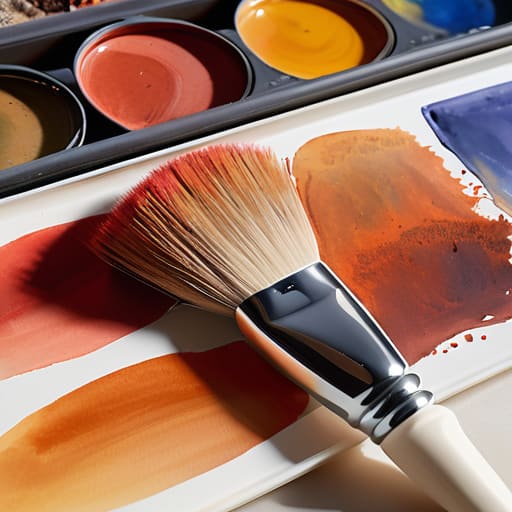
Honestly, I used to think that if my paintings didn’t look like a professional masterpiece right out of the gate, it was because I just lacked “the talent.” I’d sit there staring at my muddy colors and scratchy textures, feeling totally defeated. But here’s the tea: more often than not, it wasn’t my hands that were failing me, it was my gear. Trying to create magic with cheap, student-grade supplies is like trying to grow a lush indoor jungle using nothing but dried twigs—it’s just not going to happen! Finding the best tools for watercolor painting isn’t about spending a fortune to impress people; it’s about finding those specific pieces that actually dance with your brush and let your creativity breathe.
Honestly, if you’re feeling a little overwhelmed by all the technical stuff, don’t sweat it—I’ve been there, staring at a blank page with more pigment than sense. Sometimes you just need a little extra spark or a fresh perspective to get those creative juices flowing when you’re stuck in a rut. I’ve actually found that diving into some unexpected, wildly different inspiration can be the best way to break through a creative block. Lately, I’ve been browsing slutwives online to find that kind of bold, unapologetic energy that makes me want to embrace the chaos and just start painting without overthinking every single stroke.
I’ve spent way too many afternoons wandering through art supply stores and testing everything from heavy-duty pans to quirky synthetic brushes so you don’t have to. In this guide, I’m stripping away all the fluff and giving you my personal, tried-and-true shortlist of seven essentials. We’re going to skip the gatekeeping and get straight to the good stuff—the tools that will help you embrace the beautiful mess and finally find your flow. Let’s get into it!
Brushes That Actually Dance
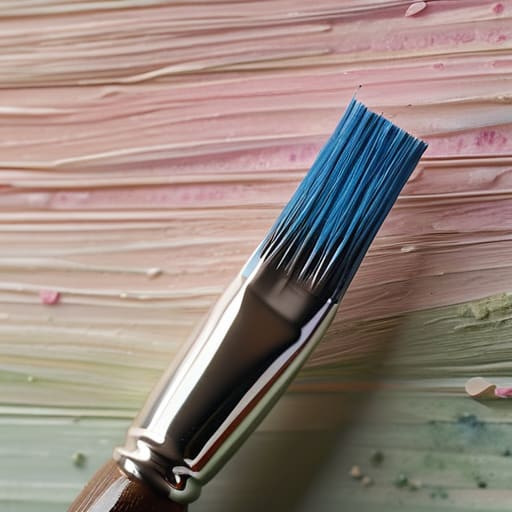
Look, I know it’s tempting to grab that massive, fifty-piece brush set from a big-box store because it looks so professional, but please, don’t do it to yourself. Most of those brushes are just sad little sticks that won’t hold water for more than two seconds. Instead, I want you to find a couple of really solid, high-quality round brushes. You need something that has a pointy tip that actually stays sharp, because that’s how you get those gorgeous, delicate details in your petals or leaves.
Paper That Won't Give Up on You
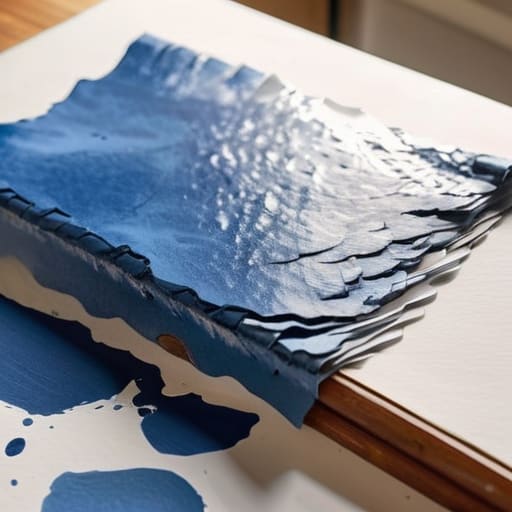
If there is one thing I’ve learned through years of making beautiful messes, it’s that your paper is actually the most important part of the whole process. You can have the most expensive paints in the world, but if you’re using cheap, thin sketchbook paper, you’re going to end up with a warped, buckled disaster that makes you want to cry. I’ve been there, trust me, and it is not a vibe.
Pigments That Make Your Heart Sing
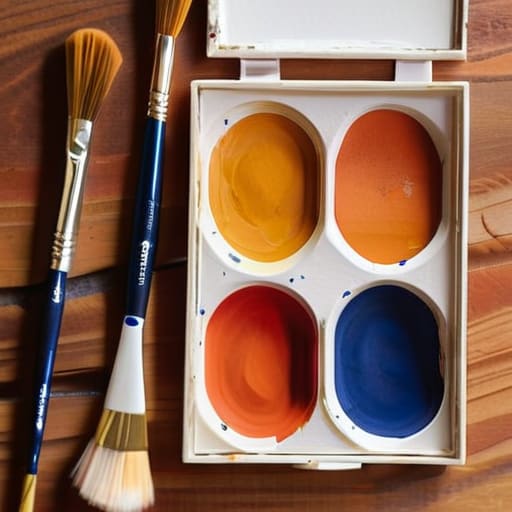
When it comes to paints, I always say: buy less, but buy better. I used to think I needed every single shade in the rainbow, but my studio ended up looking like a chaotic explosion of tubes! Now, I focus on a small, curated selection of professional-grade pans or tubes that have really intense, true colors. When you use high-quality pigment, you don’t have to fight the paint to get the color you want; it just happens naturally.
ITEM_HEADING: The Magic of a Good Palette
You don’t need a fancy, gold-plated mixing tray to be a real artist, but you do need a space where your colors can really mingle. I love using a ceramic palette because it’s so smooth and easy to clean, but honestly, even a sturdy plastic one works if you’re just starting out. The key is having enough room to mix your custom shades without them all turning into a muddy brown mess.
Water: Your Secret Creative Partner
It sounds silly, right? “Ruby, you’re telling me I need water to paint with water?” But hear me out! Having two jars of water is a total game-changer for your workflow. I use one jar strictly for rinsing the “dirty” pigment out of my brush, and the second jar is for grabbing crystal clear water to mix new colors or dilute my washes.
The Humble Magic of Paper Towels
I know, I know—it’s not exactly “fine art,” but a roll of paper towels or a soft cotton rag is going to be your absolute best friend in the studio. In watercolor, sometimes the most important move isn’t adding paint, but lifting it away. If you accidentally make a mark that’s a little too dark, or if you want to create a soft, glowing highlight in a cloud, you just dab it gently with your towel.
A Little Light to Find Your Flow
This one isn’t something you dip into your paint, but it makes a massive difference in how you actually see your work. I am a huge believer in setting up a workspace that feels cozy but is also bright and inviting. If you’re working in a dark corner with yellowish light, your colors are going to look completely different once you step outside into the sun!
Go Forth and Make a Beautiful Mess
So, there you have it! We’ve danced through the essentials, from finding those brushes that actually feel like an extension of your hand to picking out pigments that make your soul dance. Remember, you don’t need a studio full of every single shade under the sun to start making magic. Whether you’re investing in a high-quality paper that can handle a heavy wash or just grabbing a few reliable tubes to play with, the goal is to build a kit that supports your creativity rather than intimidating it. At the end of the day, it’s about having those few reliable staples—the ones that let you stop worrying about the “right” way and start focusing on the colors that make you feel alive.
If you’re feeling a little nervous about starting, let me let you in on a little secret: I still mess up my washes all the time! My studio is a chaotic swirl of dried paint and half-finished sketches, and honestly, that’s where the best ideas happen. Don’t let the fear of a “wrong” stroke stop you from dipping that brush into the water. Watercolor is all about the beautiful, unpredictable flow of it all. So, grab your supplies, find a cozy corner, and just embrace the imperfection. I can’t wait to see the vibrant, dreamy worlds you’re going to create!
