
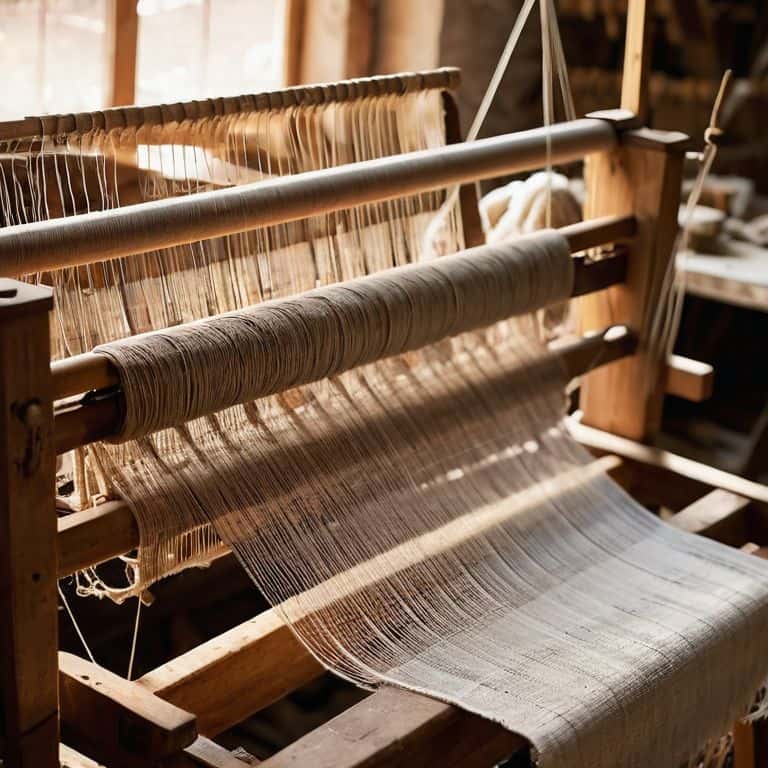
I still remember the first time I bought a used weaving loom – it was a disaster. I had no idea what to look for when buying a used weaving loom, and I ended up with a machine that was more hassle than it was worth. The seller had assured me it was in great condition, but after a few uses, I started to notice the worn-out parts and the lack of essential features. It was a hard lesson to learn, but it taught me the importance of being meticulous when purchasing pre-owned equipment. If you’re in the market for a used weaving loom, you’re probably wondering what to look for when buying a used weaving loom to avoid making the same mistakes I did.
In this article, I’ll share my honest and practical advice on how to find the perfect used weaving loom for your needs. I’ll guide you through the process of inspecting the equipment, checking for any red flags, and ensuring you get the best value for your money. Whether you’re a beginner or an experienced weaver, this guide will provide you with the knowledge and confidence to make an informed decision when buying a used weaving loom. By the end of this article, you’ll know exactly what to look for when buying a used weaving loom and how to avoid common pitfalls, allowing you to focus on what really matters – creating beautiful, lasting fiber art.
Table of Contents
Guide Overview: What You'll Need
Total Time: 1 hour to several days
Estimated Cost: $200 – $2,000
Difficulty Level: Intermediate / Hard
Tools Required
- Tape Measure (for measuring the loom’s dimensions)
- Level (to check the loom’s frame for levelness)
- Flashlight (for inspecting dark or hard-to-reach areas)
Supplies & Materials
- Notebook and Pen (for recording the loom’s details and serial number)
- Camera (for taking photos of the loom from multiple angles)
- Ruler or Straightedge (for checking the loom’s warp and weft alignment, measured in inches)
Step-by-Step Instructions
- 1. First, do your research and determine your budget before heading out to purchase a used weaving loom. Consider not just the initial cost, but also any potential repairs or upgrades you may need to make down the line. I like to think of it as investing in a long-term relationship with my loom, rather than just a one-time purchase.
- 2. When you arrive at the seller’s location, take a step back and really get a good look at the loom. Check for any visible signs of wear or damage, such as broken or worn-out parts, and make sure it’s clean and well-maintained. A well-cared-for loom is more likely to provide you with years of faithful service.
- 3. Next, check the loom’s specifications to ensure it meets your needs. Consider the type of weaving you want to do, the size of the projects you plan to work on, and the materials you’ll be using. Don’t be afraid to ask the seller questions about the loom’s history, its previous uses, and any repairs or maintenance that have been done.
- 4. Now it’s time to get hands-on and inspect the loom’s components more closely. Check the condition of the warp and weft beams, the heddles, and the reed. Make sure all the moving parts are smooth and functioning properly, and that there are no signs of rust or corrosion.
- 5. If possible, ask the seller if you can test the loom by weaving a small sample. This will give you a sense of how the loom handles, and whether it’s comfortable to use. Pay attention to any unusual noises, vibrations, or difficulties in threading or tensioning the yarn.
- 6. In addition to the loom itself, be sure to inspect any included accessories, such as shuttles, pick-up sticks, or yarn balls. These can be expensive to replace, so it’s worth factoring their condition into your overall assessment of the loom’s value.
- 7. Finally, consider the resale value of the loom, as well as its potential for upgrades or customization. A well-made loom that can be easily modified or expanded can be a valuable investment for years to come. Don’t be afraid to negotiate the price based on any flaws or needed repairs you’ve discovered during your inspection.
Loom Shopping Secrets
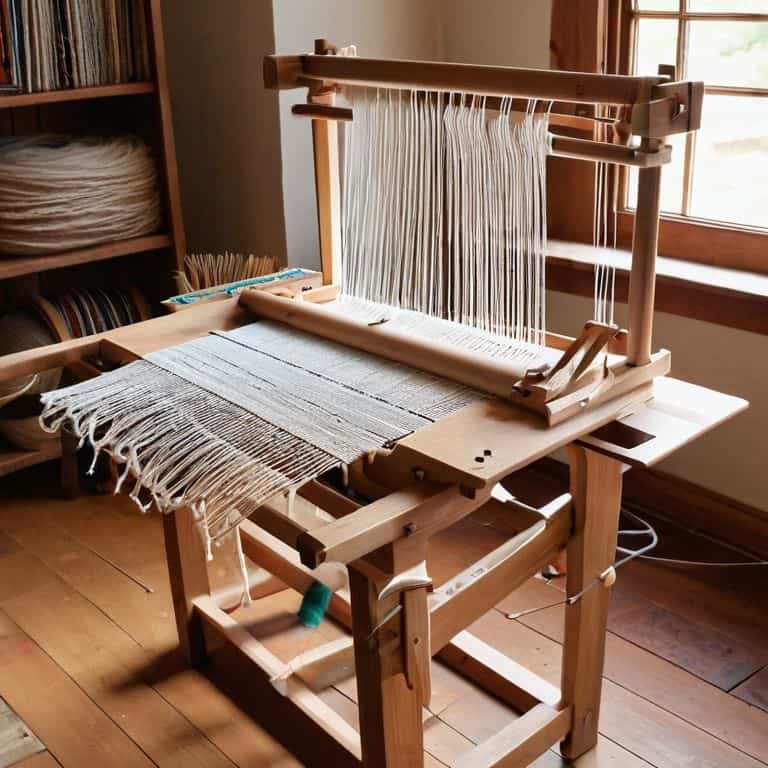
When it comes to scoring the perfect pre-loved loom, I’ve got a few loom shopping secrets up my sleeve. One of the most important things to consider is the difference between a table loom vs floor loom for beginners. While table looms are great for small projects and portability, floor looms offer more flexibility and versatility for larger projects. However, they can also come with a higher price tag and require more maintenance.
As you’re inspecting a used loom, it’s essential to keep an eye out for common defects in used weaving looms, such as worn or broken heddles, uneven treadles, or loose joints. A used floor loom inspection checklist can be a helpful tool to ensure you don’t miss any critical components. I also recommend asking the seller about the loom’s maintenance history and any repairs that have been made.
If you’re buying a used loom online, be sure to ask for plenty of photos and descriptions of the loom’s condition. It’s also a good idea to research used loom pricing guide to ensure you’re getting a fair deal. Additionally, consider the weaving loom maintenance costs that may be associated with the loom, such as replacing parts or refinishing the wood. With a little patience and persistence, you can find a beautiful and functional used weaving loom that will bring you years of creative joy.
Table Loom vs Floor Loom for Beginners
As a beginner, one of the most critical decisions you’ll make is between a table loom and a floor loom. I always recommend table looms for new weavers – they’re more compact, easier to manage, and generally less expensive. Plus, they’re perfect for small projects like scarves or dish towels, which are great for building your skills and confidence.
For beginners, table looms offer a more forgiving and accessible introduction to weaving, allowing you to get a feel for the craft without breaking the bank or overwhelming yourself with complex machinery.
Used Floor Loom Inspection Checklist
When inspecting a used floor loom, I always start with the basics. Check the frame for any signs of wear or damage, and make sure all the parts are included. Look for any rust or corrosion on the metal components, and test the pedals and levers to ensure they’re functioning smoothly. I also like to bring a measuring tape to check the loom’s dimensions and ensure it will fit comfortably in my workspace.
My journal is full of notes on looms that looked perfect at first glance, but had hidden issues. To avoid those costly surprises, I’ve developed a simple checklist: check the warp and weft beams for any damage or wear, inspect the heddles and reeds for signs of corrosion, and test the tensioning system to ensure it’s even and consistent. By taking the time to thoroughly inspect a used floor loom, you can avoid costly repairs down the line and find a reliable workhorse for your fiber projects.
Weaving Wisdom: 5 Essential Tips for Buying a Pre-Loved Loom
- Check the loom’s frame and legs for any signs of wear, damage, or instability – a wobbly loom is a recipe for frustration and poor weaving
- Inspect the heddles, reeds, and other moving parts for any damage, rust, or corrosion, and make sure they’re compatible with your weaving style
- Don’t be afraid to ask the seller about the loom’s history, including how often it was used, and whether it’s been properly maintained or restored
- Take a closer look at the shedding mechanism and be sure it’s functioning smoothly – a sticky or stubborn shed can slow down your weaving and cause headaches
- Consider the loom’s size, portability, and storage requirements to ensure it fits comfortably in your weaving space and meets your needs for projects large and small
Key Takeaways for Buying a Used Weaving Loom
When shopping for a used weaving loom, prioritize a thorough inspection to ensure you’re getting a functional and durable piece of equipment that meets your fiber project needs
Consider the differences between table and floor looms, taking into account factors like space, portability, and the type of weaving you plan to do, to make an informed decision that suits your lifestyle and crafting goals
Remember, the initial cost savings of a used loom can be offset by potential repairs or upgrades down the line, so factor in the long-term costs and benefits when making your purchase decision to get the best value for your money
The Heart of the Matter
When buying a used weaving loom, remember that it’s not just about the threads per inch or the type of wood – it’s about the stories it can help you tell, the fabrics it can help you create, and the memories it can help you weave, so don’t be afraid to look beyond the specs and listen to the loom’s history, for it’s in those whispers that you’ll find your perfect match.
Audrey Vance
Weaving a Path to the Perfect Loom
As you embark on your journey to find the perfect used weaving loom, remember to take your time and don’t rush into a purchase. Consider the type of projects you want to work on, the space you have available, and your budget. Refer to your used floor loom inspection checklist and weigh the pros and cons of a table loom vs floor loom. By doing your research and being thorough in your inspection, you’ll be well on your way to finding a loom that meets your needs and helps you create beautiful, lasting pieces.
In the end, finding the right used weaving loom is not just about the loom itself, but about the stories you’ll weave with it. It’s about the hours you’ll spend creating something with your own hands, the joy you’ll feel as you watch your projects come to life, and the sense of pride you’ll have in knowing you’ve made something truly special. So, keep searching, stay patient, and trust your instincts – your perfect loom is out there, waiting for you to bring it home and start creating.
Frequently Asked Questions
What are the most common defects to look out for when inspecting a used floor loom?
When inspecting a used floor loom, keep an eye out for worn or broken heddles, loose or damaged warp and weft beams, and uneven or creaky pedals. Also, check for any signs of rust or water damage, as these can compromise the loom’s stability and performance over time.
How do I determine if a used table loom is suitable for my specific weaving projects?
To determine if a used table loom is right for you, consider the types of projects you want to weave. Think about the width, complexity, and fiber requirements – will this loom handle the yarns and patterns you love? Check the loom’s shedding mechanism, too, and ask the seller about its weaving history.
Are there any specific brands or models of used weaving looms that are known for their durability and reliability?
When it comes to durable and reliable used weaving looms, I swear by older models from Macomber and LeClerc. They’re workhorses that can withstand years of use. I’ve also had great luck with certain AVL models, especially their compact looms. These brands may not be the cheapest, but trust me, they’re worth the investment for their long-term performance.
