
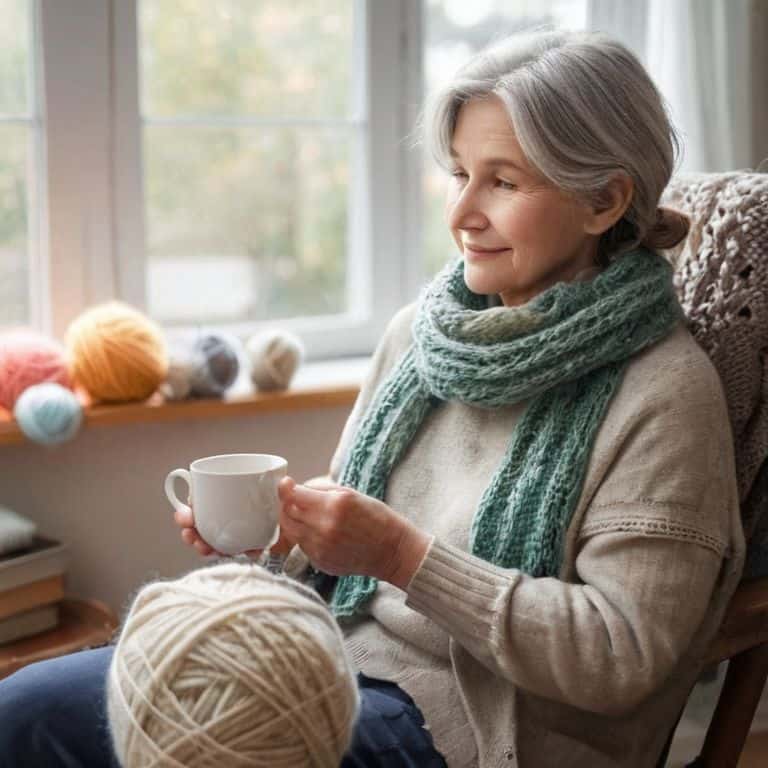
I still remember the first time I stumbled upon the concept of the cognitive benefits of knitting. I was at a fiber festival, surrounded by the soft hum of conversation and the gentle clickety-clack of needles. A friend, who’s also an avid knitter, told me about how knitting had helped her stay focused and calm during a particularly chaotic period in her life. As I delved deeper into the world of knitting, I met many more makers who shared similar stories, and I began to realize that there’s more to knitting than just creating something beautiful – it has a profound impact on our mental well-being.
As someone who’s passionate about sharing the stories of the fiber arts community, I want to cut through the hype and get to the heart of what really matters when it comes to the cognitive benefits of knitting. In this article, I promise to share honest, experience-based advice on how knitting can positively impact our cognitive abilities, from improving memory to reducing stress. I’ll draw from my own experiences, as well as those of the talented makers I’ve met along the way, to provide a nuanced and realistic look at the benefits of knitting. So, if you’re ready to unravel the myths and discover the real benefits of knitting, then let’s dive in and explore the fascinating world of the cognitive benefits of knitting together.
Table of Contents
Unraveling the Mind
As I’ve traveled to various fiber festivals, I’ve met countless individuals who swear by knitting for stress relief. They speak of the calming effects of creating something with their own hands, of the sense of accomplishment that comes with completing a project. I’ve seen it firsthand – the way a person’s eyes light up when they talk about their latest knitting endeavor, the way their voice takes on a soothing quality as they describe the gentle clickety-clack of the needles. It’s as if the act of knitting has a profound impact on their mental state, allowing them to unwind and relax in a way that few other activities can.
I’ve had the privilege of interviewing several designers and dyers who incorporate knitting into their daily routines, citing its role in cognitive development through crafts. They speak of the way knitting challenges their minds, forcing them to think creatively and problem-solve. One designer even mentioned that knitting helps her develop neuroplasticity, allowing her to adapt to new situations and think outside the box. It’s fascinating to see how this craft can have such a profound impact on both the mind and the body.
As I delve deeper into the world of knitting, I’m constantly amazed by the stories of those who use it as a form of therapy. From individuals with dementia to those struggling with anxiety, knitting seems to offer a sense of calm and focus. One maker I interviewed even spoke of using knitting exercises to improve her concentration, finding that the repetitive motion of the needles helped her stay focused and present. It’s clear that knitting is more than just a hobby – it’s a powerful tool for improving mental health benefits and overall well-being.
Knitting for Stress Relief
As I’ve traveled to fiber festivals, I’ve met countless makers who swear by knitting as a means of stress relief. There’s something therapeutic about the gentle clickety-clack of the needles, the soft whisper of yarn flowing through your fingers. I’ve seen it firsthand – a maker, frazzled from a long day, sits down with some yarn and needles, and within minutes, their tension begins to melt away.
For many, knitting becomes a form of meditative escape, a way to quiet the mind and focus on the present moment. I’ve tried it myself, and while my own attempts at knitting are often laughable, I can attest to the sense of calm that washes over me as I work on a project. It’s as if the rhythm of the needles and the yarn somehow synchronizes my breathing, slowing down my heart rate and clearing my mind.
Neuroplasticity in Every Stitch
As I’ve traveled to fiber festivals and spoken with makers from all walks of life, I’ve noticed a common thread – the way knitting seems to rewire the brain. It’s as if the gentle repetition of stitches can actually change the way we think, making us more adaptable and resilient. I’ve met people who credit knitting with helping them recover from injuries, or cope with anxiety and depression.
The idea that our brains can reorganize themselves in response to new experiences is known as neuroplasticity, and it’s a powerful concept. When we knit, we’re not just creating something with our hands – we’re also creating new connections in our minds, and strengthening existing ones. This can have a profound impact on our cognitive abilities, and even our overall sense of well-being.
The Cognitive Benefits of Knitting
As I’ve traveled to various fiber festivals, I’ve met numerous individuals who swear by knitting for stress relief. They share stories of how the gentle clickety-clack of the needles and the soft yarn have become a therapeutic escape from the chaos of everyday life. I’ve seen it firsthand – the way a person’s eyes light up when they talk about their latest project, the sense of calm that washes over them as they work on a intricate pattern. It’s as if the act of knitting has tapped into a deeper sense of cognitive development through crafts, allowing them to quiet the mind and focus on the present moment.
One of the most fascinating aspects of knitting is its ability to promote neuroplasticity and knitting. By challenging the brain to learn new patterns and stitches, knitters are essentially rewiring their minds, creating new pathways and connections that can help improve cognitive function. I’ve spoken to several knitters who have experienced this firsthand, reporting improved memory and concentration as a result of their knitting practice. It’s a remarkable example of how a simple craft can have a profound impact on our mental abilities.
As I delve deeper into the world of knitting, I’m constantly amazed by the knitting and mental health benefits that emerge. From providing a sense of purpose and fulfillment to offering a healthy distraction from the stresses of daily life, knitting has proven to be a powerful tool for maintaining mental well-being. Whether it’s used as a form of improving focus with knitting exercises or simply as a way to unwind, the benefits of knitting are undeniable.
Improving Focus With Knitting
As I’ve traveled to fiber festivals and met makers from all walks of life, I’ve noticed a common thread – many of them credit knitting with helping them improve their concentration. It’s not just about creating something with your hands, but also about training your mind to focus on the present moment. I’ve seen it in my own life, too, as I try to learn how to spin yarn – it’s amazing how a simple task can calm my mind and help me tune in to the process.
For many knitters, the act of creating something with yarn becomes a form of meditation, allowing them to quiet their minds and focus on the stitches. As they work on their projects, they’re not just making something beautiful – they’re also cultivating a sense of calm and clarity that can benefit other areas of their lives.
Knitting as Therapy for Dementia
I’ve had the privilege of meeting some incredible individuals who use knitting as a form of therapy for loved ones with dementia. One story that stands out is of a woman who would knit with her mother, who was struggling with memory loss. She found that the gentle rhythm of knitting helped to calm her mother’s mind and bring back fond memories.
As I’ve learned more about this topic, I’ve discovered that knitting can be a powerful tool for cognitive stimulation, helping to slow down the progression of dementia. By providing a sense of purpose and creative expression, knitting can bring joy and comfort to those affected by this disease, and I’ve seen it make a real difference in the lives of those I’ve met.
Weaving Wellness: 5 Key Tips to Unlock the Cognitive Benefits of Knitting
- Picking the Right Project: Choose a pattern that challenges you just enough to keep your mind engaged, but not so complex that it causes frustration
- Mindful Moments: Take breaks to focus on the sensation of the yarn, the sound of the needles, and the rhythm of your breath to maximize relaxation
- Stitch by Stitch: Break down larger projects into smaller, manageable tasks to help build confidence and a sense of accomplishment
- Knit in Community: Join a local knitting group or find an online community to share ideas, learn from others, and stay motivated
- Embracing the Mistakes: Remember that mistakes are an opportunity to learn and grow, and that the process of knitting is just as important as the final product
Key Takeaways from the World of Knitting
I’ve learned from numerous makers that knitting can be a powerful tool for stress relief, with its repetitive motions and creative expression helping to calm the mind and soothe the soul
Through conversations with neuroscientists and crafters alike, I’ve discovered that knitting can actually promote neuroplasticity, improving cognitive function and even helping to build resilience against age-related cognitive decline
From improving focus and concentration to serving as a form of therapy for individuals with dementia, the cognitive benefits of knitting are a testament to the profound impact that this gentle art can have on both body and mind
Weaving a Healthier Mind
As I’ve traveled to fiber festivals and spoken to countless makers, I’ve come to realize that the cognitive benefits of knitting aren’t just about the science – they’re about the sense of community, connection, and calm that comes with every stitch.
Noah Byrne
Weaving a Lasting Legacy
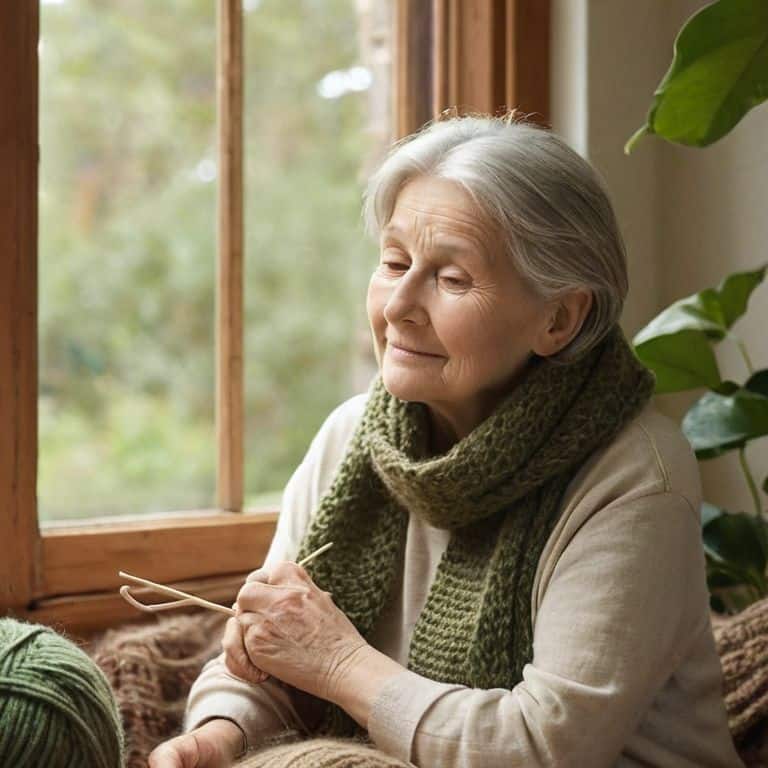
As I reflect on the incredible stories I’ve heard from makers around the world, it’s clear that knitting offers a multitude of cognitive benefits. From reducing stress and improving focus, to aiding in therapy for dementia and promoting neuroplasticity, the advantages of this craft are undeniable. I’ve met so many amazing individuals who swear by the positive impact knitting has had on their mental well-being, and it’s been an honor to share their stories and insights with our community.
So, the next time you pick up your needles and yarn, remember that you’re not just creating something beautiful – you’re also nurturing your mind. As we continue to explore the intersection of craft, community, and wellness, I invite you to join me on this journey, to share your own stories, and to discover the transformative power of knitting for yourself. Together, let’s celebrate the people and stories that make our fiber arts community so special, and inspire one another to keep creating, growing, and thriving.
Frequently Asked Questions
Can knitting really help reduce symptoms of anxiety and depression?
I’ve seen it time and time again in the fiber community – knitting can be a powerful tool for managing anxiety and depression. I’ve met makers who swear by the calming effects of clicking needles and the sense of accomplishment that comes with creating something beautiful. It’s not a replacement for professional help, but it can be a wonderful complement to traditional therapies.
How often do I need to knit to experience the cognitive benefits?
Honestly, I’ve found that even small amounts of knitting can be beneficial – just 10-15 minutes a day can make a difference. I’ve met makers who swear by daily knitting sessions, while others find that a few times a week is enough to feel the cognitive benefits. It’s really about finding a rhythm that works for you and your lifestyle.
Are there any specific knitting patterns or techniques that are more beneficial for cognitive health than others?
I’ve found that complex patterns like Fair Isle or intarsia can be particularly beneficial, as they challenge the mind and promote focus. But honestly, I think it’s less about the pattern and more about the maker’s personal connection to the craft – what brings you joy and calm is what will ultimately nourish your mind.
