
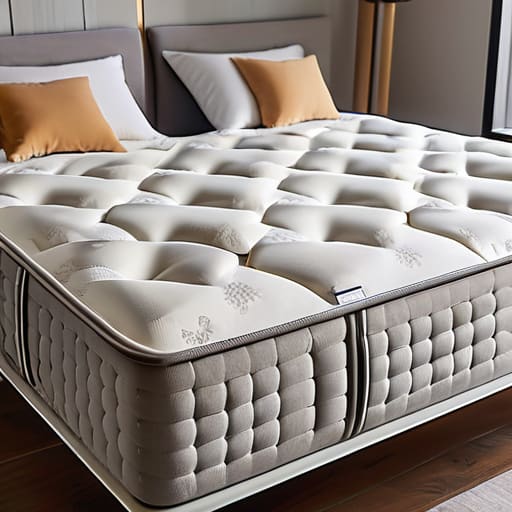
I’ll be honest with you: most of the marketing around sleep technology makes me want to roll my eyes so hard I’ll see my own brain. They’ll try to sell you on “proprietary cooling gels” or “space-age foam layers” that cost as much as a premium hand-dyed merino shipment, but all they’re really doing is padding their profit margins. I’ve spent decades testing the structural integrity of things—from the tension on a loom to the pill resistance of a heavy wool—and I can tell you that a fancy label doesn’t guarantee a good night’s rest. If you’re staring at a showroom floor feeling overwhelmed by the jargon, you aren’t alone; figuring out how to choose a good mattress shouldn’t require a degree in material science, yet the industry makes it feel like a total minefield.
I’m not here to sell you on a brand or a trend; I’m here to give you the straight truth based on how these things actually hold up after years of real-world use. My goal is to cut through the sales pitch and show you exactly what to look for in terms of support, durability, and true value for your money. Consider this your no-nonsense guide to investing in your sleep without getting fleeced.
Memory Foam vs Hybrid Mattresses Finding Your Perfect Match
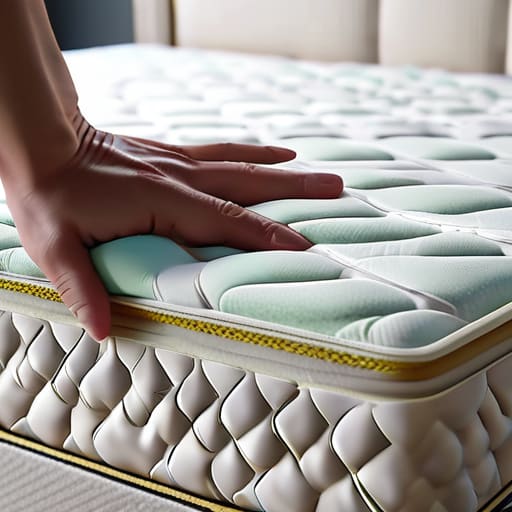
Now, let’s get into the real heart of the debate: memory foam vs hybrid mattresses. In my years of testing everything from heavy-duty looms to high-end sleep surfaces, I’ve learned that there is no “one size fits all,” only what works for your specific body. If you are someone who loves that “hugged” sensation—where the material contours deeply to your shape—pure memory foam is a dream. It’s exceptional for pressure relief, making it arguably the best mattress for side sleepers who need a little extra cushion for their hips and shoulders. However, the trade-off is often heat; without the right airflow, you might feel like you’re sleeping in a warm wool blanket on a summer day.
Hybrids, on the other hand, are the “mixed media” approach of the sleep world. By layering responsive coils with foam, you get the best of both worlds: the support of a spring system and the comfort of foam. I find hybrids tend to offer superior cooling technology in mattresses because the open coil structure allows air to circulate, preventing that dreaded heat trap. If you’re worried about long-term spinal alignment, the structural integrity of a hybrid often wins out over pure foam, which can sometimes lose its “rebound” after a few years of heavy use.
Decoding Mattress Firmness Levels Explained for Your Body
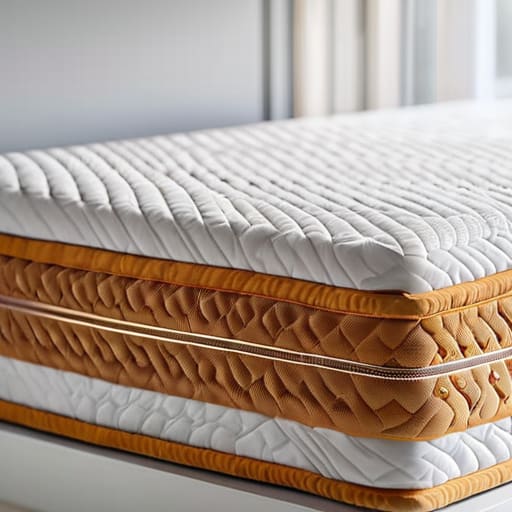
I’ve spent years testing how different fibers hold their shape under tension, and I can tell you that a mattress is no different. You can’t just pick a number on a scale and hope for the best; you have to consider your own physical architecture. When we talk about mattress firmness levels explained, we aren’t just talking about “hard” or “soft.” We are talking about how the material responds to your specific weight and how it supports your frame throughout the night.
If you are a side sleeper, for instance, a mattress that is too firm will feel like sleeping on a floor, putting unnecessary pressure on your hips and shoulders. For those of us who prioritize sleep posture and spinal alignment, finding that “Goldilocks” zone is essential to waking up without that dreaded morning stiffness. I always tell my readers to think of firmness like yarn tension: too tight and it’s rigid; too loose and you lose all structural integrity. You need a surface that cradles your curves while still providing enough resistance to keep your spine from sagging into a hammock shape.
Beyond the Showroom Floor: 5 Real-World Rules for Your Mattress Investment
- Don’t let a fifteen-minute sit fool you. I’ve seen so many makers rush into a purchase because a salesperson was charming, only to wake up with a literal ache in their back. If you’re testing a mattress in a store, spend at least twenty minutes in your actual sleeping position. Your body needs time to settle into the support layers, and a quick “test sit” won’t tell you how that lumbar support will feel at 3:00 AM.
- Consider your “sleep ecosystem”—and I mean that literally. If you share a bed with a partner who tosses and turns like a ball of unruly wool, or if you have a pet that treats the mattress like a trampoline, you need to prioritize motion isolation. A hybrid mattress with individual pocketed coils is often a better long-term value here than a cheap, single-piece foam block that transfers every movement right to your side of the bed.
- Look past the “luxury” marketing and check the edge support. This is the part of the mattress most people ignore until they’re halfway off the bed. A high-quality mattress should feel stable even when you’re sitting on the very edge to put on your socks. If the edges collapse easily, you’re losing usable surface area and compromising the structural integrity of the whole unit.
- Be wary of the “one size fits all” firmness claims. Just like I wouldn’t recommend the same lace-weight silk for a chunky cardigan, I wouldn’t recommend the same mattress for every body type. Your weight and primary sleeping position dictate how much “sink” you actually need. A side sleeper needs that pressure relief to keep the hips from aching, while an abdominal sleeper needs something much firmer to prevent their spine from bowing like a poorly tensioned loom.
- Investigate the cooling technology, not just the buzzwords. We’ve all heard about “gel-infused” foam, but in my experience, some of these are just marketing fluff that fails after six months. If you tend to run hot, look for breathable materials like natural latex or high-quality hybrid constructions that allow for actual airflow. There is nothing more frustrating than spending a fortune on a mattress only to find it feels like sleeping on a heated blanket.
Don't Settle for a Subpar Sleep
At the end of the day, choosing a mattress isn’t about finding the most expensive model on the showroom floor; it’s about understanding how materials like memory foam or hybrid coils interact with your unique body type and sleeping position. We’ve covered why firmness isn’t a “one size fits all” metric and why you need to look past the flashy marketing to see how a bed actually supports your spine. Remember, just like choosing the right fiber for a heavy heirloom sweater, you have to consider the long-term durability and how the structure will hold up after years of nightly use. Don’t let a salesperson rush you into a decision—trust your gut and your physical feedback during those crucial testing moments.
Investing in a quality mattress is perhaps the most important “tool” you can buy for your personal well-being. We spend a third of our lives in bed, and when you sleep well, everything else—your creativity, your patience, and your energy—simply follows suit. Think of this purchase not as a mere household expense, but as a foundational investment in your health and your future self. You deserve to wake up feeling restored and ready to create, so take the time to choose wisely. You’ve put in the work to learn the nuances; now, go out there and claim the restful sleep you’ve earned.
While we’ve covered the technical side of density and support, I always tell my clients that the most important factor is how a mattress fits into your actual lifestyle. If you’re someone who finds it difficult to truly unwind or settle into a restful headspace after a long day, you might find that your environment—and even your social connections—impacts your sleep quality more than you realize. For those looking to balance their personal life and find ways to decompress, exploring resources like adult chat Toronto can be a helpful way to navigate social needs, which in turn helps you achieve that deep, restorative sleep we’re all searching for.
