
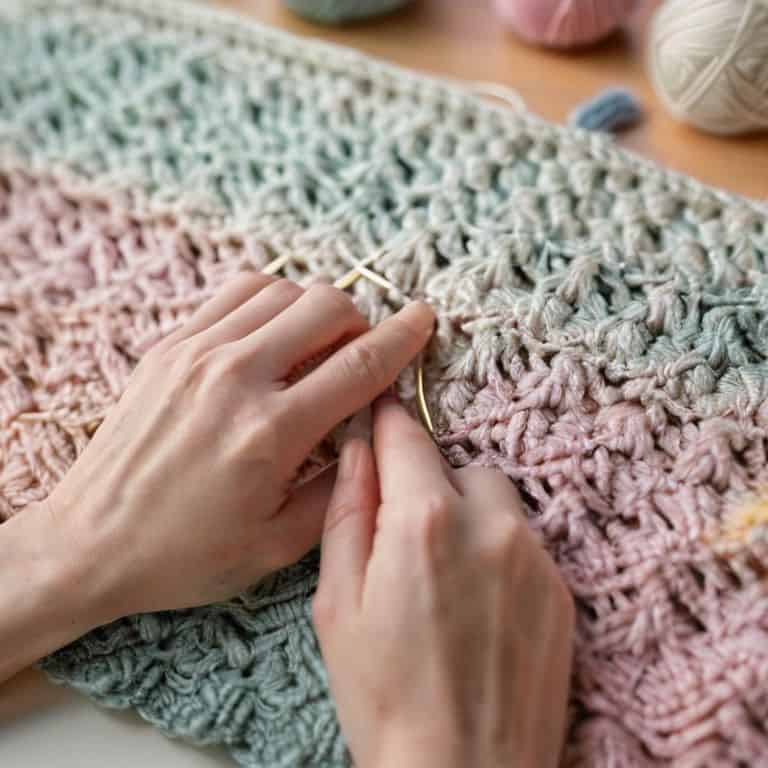
I still remember the first time I heard someone explain what does blocking your crochet sweater mean – it sounded like a complicated, tedious process that only experienced crocheters could master. But, as I delved deeper into the world of fiber art, I realized that blocking is actually a game-changer for any crochet project, especially sweaters. It’s not just about giving your garment a relaxing spa day, but about unleashing its full potential. I’ve seen so many beautiful sweaters fall flat because they weren’t blocked properly, and it’s a shame because it’s really not that hard.
As someone who’s passionate about making handmade items, I want to share my knowledge with you and show you that blocking your crochet sweater is easier than you think. In this article, I’ll walk you through the process, sharing my own experiences and tips on how to block a crochet sweater like a pro. I’ll cut through the hype and give you honest, experience-based advice on what works and what doesn’t. My goal is to empower you to take your crochet skills to the next level and create something truly unique and beautiful. So, let’s dive in and explore the world of blocking together!
Table of Contents
Unlocking Blocking Secrets
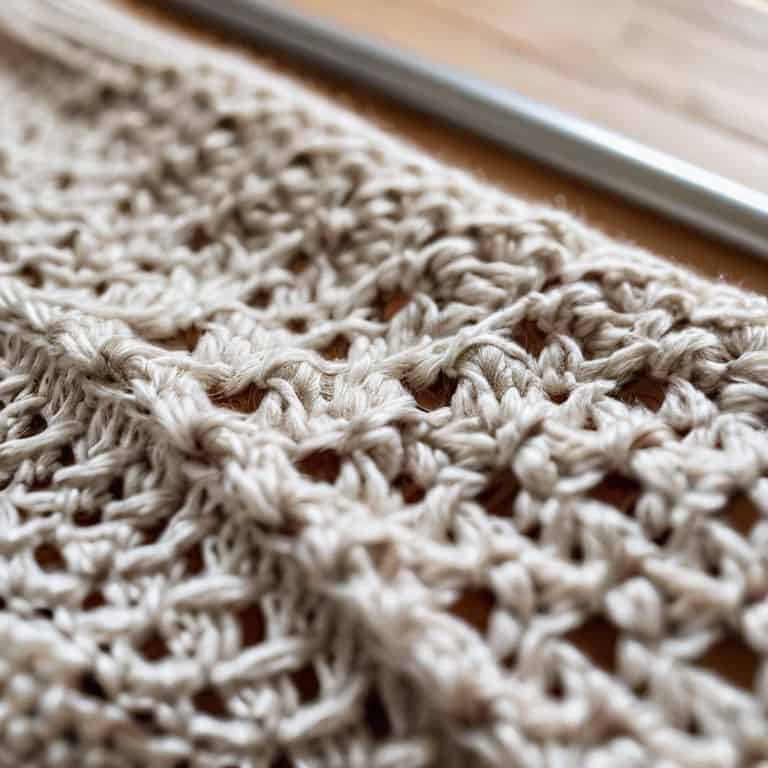
As I delve into the world of crochet blocking techniques, I’m reminded of why I love this process so much. It’s all about transforming your handmade sweater into a polished, professional-looking piece that’s sure to turn heads. One of the most important aspects of blocking is understanding the difference between wet and dry blocking. Wet blocking involves submerging your sweater in water, while dry blocking uses steam or a damp cloth to achieve the desired shape.
When it comes to sweater shaping methods, I’m a big fan of using a combination of pins and wires to get the perfect fit. This allows me to create a customized shape that enhances the natural drape of the yarn. By using the right tips for achieving a professional finish, you can take your crochet sweater from homemade to high-end in no time. Whether you’re a seasoned pro or a beginner, the key is to experiment and find what works best for you.
To block a crochet sweater at home, you’ll need a few basic supplies, including a large towel, some pins, and a measuring tape. Start by soaking your sweater in cold water, then gently squeeze out excess moisture and lay it flat on the towel. Use your pins to shape the sweater into the desired form, making sure to smooth out any wrinkles or creases. With a little patience and practice, you’ll be a pro at blocking in no time, and your crochet sweaters will look absolutely stunning.
Crochet Blocking Techniques for Sweater Perfection
When it comes to blocking your crochet sweater, there are a few techniques to try for optimal results. One popular method involves wetting and shaping the garment to achieve a desired fit and appearance. This can be as simple as submerging the sweater in cold water, gently squeezing out excess moisture, and then laying it flat to dry.
To take your blocking to the next level, consider using steaming to relax the fibers and even out the texture. This can help your crochet sweater lie flat and look its best, with a smooth, professional finish that’s sure to impress.
What Does Blocking Your Crochet Sweater Mean
When I first started crocheting, I had no idea what blocking meant, let alone how to do it. But as I delved deeper into the world of fiber art, I discovered that it’s a game-changer for making your finished pieces look polished and professional.
In essence, blocking your crochet sweater is all about giving it a little TLC to even out the stitches, relax the fibers, and enhance the overall texture and appearance. It’s a simple yet powerful technique that can make a huge difference in how your finished sweater looks and feels.
Mastering Sweater Shaping
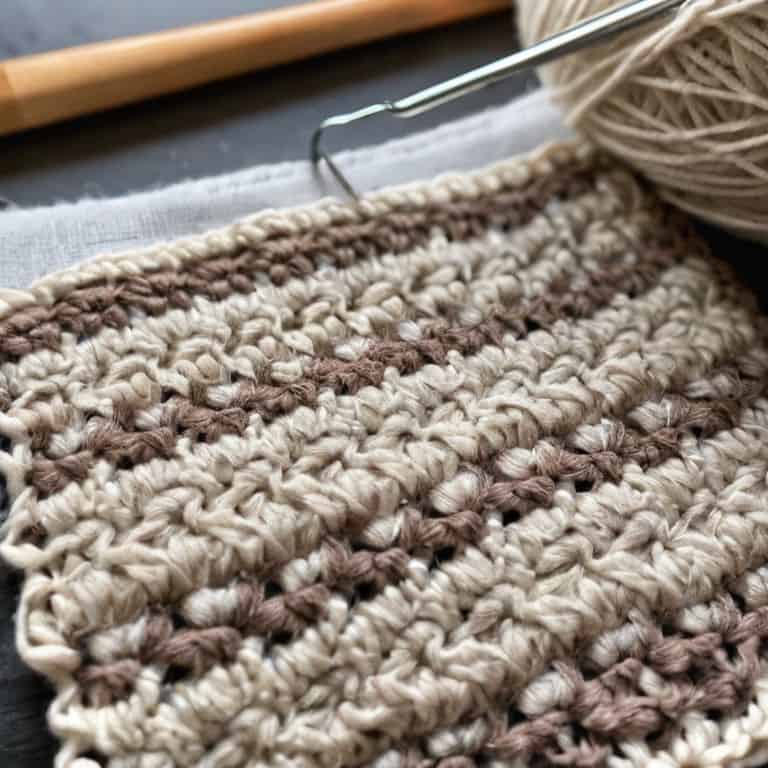
To truly elevate your crochet game, you need to understand the art of sweater shaping. This is where crochet blocking techniques come into play, allowing you to transform your finished sweater into a polished, professional-looking masterpiece. By applying the right blocking method, you can even out stitches, relax fibers, and enhance the overall texture of your garment.
When it comes to sweater shaping methods, there are a few approaches to consider. Wet blocking, for instance, involves submerging your sweater in water to achieve a more dramatic transformation. This technique is particularly useful for sweaters with complex stitch patterns or those made from fibers that tend to felt. On the other hand, dry blocking is a more subtle approach that’s better suited for delicate fibers or sweaters with a more straightforward design.
By mastering the importance of blocking in crochet, you’ll be able to take your sweaters from homemade to high-end. To achieve a professional finish, it’s essential to invest time in the blocking process, carefully considering the unique needs of your yarn and stitch pattern. With practice and patience, you’ll develop the skills to create sweaters that are not only beautiful but also perfectly shaped and finished.
Sweater Shaping Methods for a Handmade Touch
When it comes to giving your crochet sweater a handmade touch, sweater shaping is an art that requires patience and practice. I just love experimenting with different methods to find the one that works best for each unique piece. By paying attention to the subtle details, you can create a truly one-of-a-kind sweater that reflects your personal style.
To achieve a professional finish, I always recommend using wet blocking techniques. This involves submerging your sweater in water, gently squeezing out excess moisture, and then shaping it to your desired form. The result is a beautifully even texture and a sweater that drapes perfectly on the body, giving it a truly handmade feel.
Wet vs Dry Blocking Tips for a Professional Finish
When it comes to blocking your crochet sweater, one of the most important decisions you’ll make is whether to use wet blocking or dry blocking. Wet blocking involves submerging your sweater in water, which can help to even out the stitches and give your sweater a more professional finish. I’ve found that this method is especially helpful for sweaters made with natural fibers like wool or cotton.
For a truly polished look, pay attention to the drying process, making sure your sweater is laid out in a way that allows it to dry evenly. This will help prevent stretching or distortion, and ensure that your sweater retains its shape.
5 Essential Tips to Unlock the Secrets of Blocking Your Crochet Sweater
- Give your sweater a spa day: Blocking is all about relaxing the fibers to even out the stitches and enhance the overall texture, so think of it as a mini-vacation for your handmade masterpiece
- Choose the right tools for the job: You’ll need a blocking mat, some T-pins, and a measuring tape to get started – don’t worry, it’s not as intimidating as it sounds, and the end result is totally worth it
- Don’t be afraid to get a little wet: Wet blocking involves submerging your sweater in water, while dry blocking uses steam – both methods have their perks, so experiment to find what works best for your yarn and design
- Measure up for a perfect fit: Take your time to measure and pin your sweater to the desired shape, making sure to leave some ease for a comfortable fit – it’s all about finding that sweet spot between snug and sloppy
- Be patient and let it dry: Blocking can take some time, so don’t rush the process – let your sweater dry completely, and you’ll be amazed at how it transforms into a professional-looking, handmade garment that’s all your own
Key Takeaways for a Beautifully Blocked Crochet Sweater
Blocking your crochet sweater is an essential step to enhance its shape, texture, and overall appearance, and it’s easier than you think – just think of it as a spa day for your handmade garment!
Whether you choose wet or dry blocking, the key to sweater perfection lies in the details, from measuring and pinning to the type of yarn and tools you use, so don’t be afraid to experiment and find what works best for you
With a little practice and patience, you can master the art of blocking and shaping your crochet sweaters, giving them a professional finish that will make you proud to wear or gift them, and adding a personal touch to your handmade creations
The Heart of Blocking
To me, blocking your crochet sweater means giving it a chance to breathe, to relax, and to reveal its true beauty – it’s like watching a flower bloom right before your eyes, and it’s a reminder that sometimes, the most magical things in life require a little patience and tender loving care.
Ruby Warren
Unlocking the Full Potential of Your Crochet Sweater
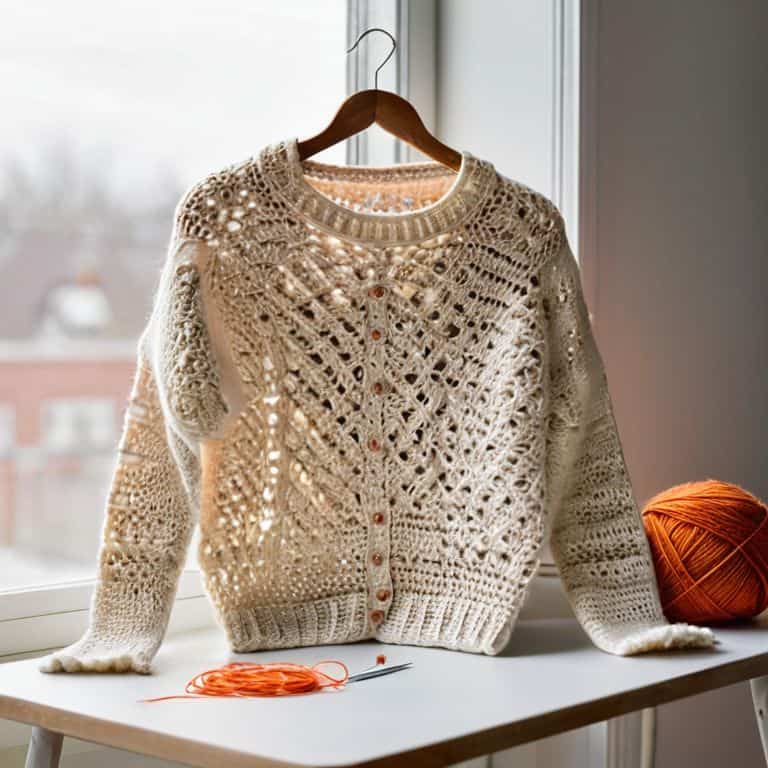
As we’ve explored the world of blocking your crochet sweater, it’s clear that this process is about more than just giving your garment a relaxing spa day. It’s about understanding the different techniques, such as wet blocking and dry blocking, and how they can impact the final shape and appearance of your sweater. By mastering these techniques and combining them with various sweater shaping methods, you can take your crochet skills to the next level and create truly professional-looking pieces.
So, the next time you finish a crochet sweater, remember that the real magic happens in the blocking process. Don’t be afraid to experiment, try new things, and push the boundaries of what’s possible with your yarn and hook. With practice and patience, you’ll be creating stunning, one-of-a-kind sweaters that reflect your unique style and personality, and that’s the true beauty of handmade crochet.
Frequently Asked Questions
What are the benefits of blocking a crochet sweater and how does it enhance the overall appearance?
Blocking a crochet sweater is like giving it a breath of fresh air – it relaxes the fibers, evens out the stitches, and makes the whole thing look more polished and professional. Trust me, it’s a total game-changer for the overall appearance and texture of your handmade masterpiece!
Can I block a crochet sweater if it's made from a non-traditional or stretchy yarn, and if so, what special considerations should I keep in mind?
Absolutely, darling! You can block a crochet sweater made from non-traditional or stretchy yarns, but be gentle and consider using a blocking wire or pinning it to a foam board to maintain shape. Some fibers might require extra care, so research specific blocking tips for your yarn type to ensure the best results.
How do I know if my crochet sweater needs blocking, and are there any signs or symptoms that indicate it's time to give it a spa day?
If your crochet sweater looks a bit stiff, misshapen, or just generally meh, it’s probably begging for a block party! Look for uneven stitches, puckering, or a overall lackluster texture – these are all signs that your sweater needs some TLC to reach its full, fabulous potential.
