
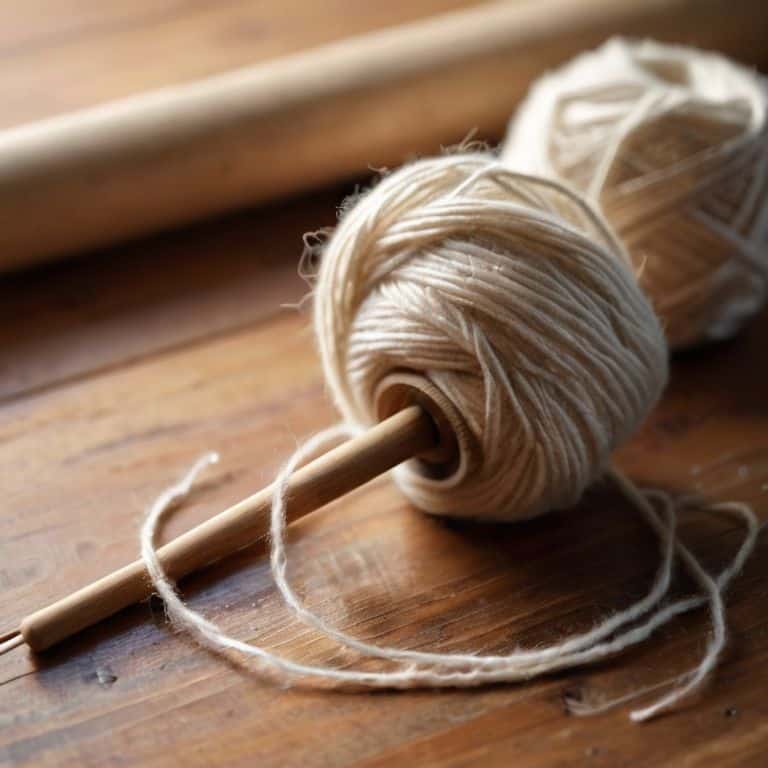
I still remember the first time I tried using a drop spindle – I was a beginner spinner, and the whole process seemed like a daunting task. I had no idea what is a drop spindle and how to choose one that would suit my needs. I ended up with a spindle that was too heavy, and my yarn ended up being uneven and frustrating to work with. It wasn’t until I took the time to learn about the different types of drop spindles and how to choose the right one that I started to see real improvement in my spinning.
If you’re struggling to find the perfect drop spindle, you’re not alone. In this article, I’ll share my honest and practical advice on what is a drop spindle and how to choose one that’s right for you. I’ll cut through the confusion and provide you with the no-nonsense guidance you need to make an informed decision. Whether you’re a beginner or an experienced spinner, this guide will help you navigate the world of drop spindles and find the perfect tool to take your spinning to the next level.
Table of Contents
Guide Overview: What You'll Need
Total Time: 30 minutes to several hours
Estimated Cost: $20 – $100
Difficulty Level: Easy
Tools Required
- None handheld operation
Supplies & Materials
- Drop Spindle available in various materials like wood, plastic, or metal, with sizes ranging from 6 inches to 12 inches in length and 2 inches to 4 inches in diameter
Step-by-Step Instructions
- 1. First, let’s define what a drop spindle is: a simple, handheld device used to spin raw or processed fiber into yarn or thread. To choose the right one, you’ll need to consider the type of fiber you’ll be working with, as well as your personal spinning style. I always say, it’s all about finding the right balance between the weight of the spindle and the type of fiber you’re using.
- 2. Next, think about the materials used to make the spindle: wood, metal, or plastic. Each has its own unique characteristics, and some are better suited to certain types of fiber or spinning techniques. For example, a wooden spindle can add a touch of warmth and character to your spinning, while a metal one can provide a smoother, more consistent spin. I’ve found that natural materials tend to be more forgiving for beginners.
- 3. Now, consider the weight of the spindle: this will affect the speed and efficiency of your spinning. A heavier spindle is great for thicker fibers like wool, while a lighter one is better suited to finer fibers like cotton or silk. It’s all about finding the right momentum to get your fiber flowing smoothly. I like to think of it as a dance between the spindle and the fiber.
- 4. Another important factor is the size and shape of the spindle: this will determine how much fiber you can spin at one time, as well as the overall aesthetic of your finished yarn. Some spindles have a more ergonomic design, making them easier to hold and maneuver, while others may have a more traditional or decorative look.
- 5. When it comes to choosing the right whorl style, you’ll need to decide between a top-whorl, bottom-whorl, or Turkish spindle. Each has its own unique characteristics, and some are better suited to certain types of fiber or spinning techniques. I’ve found that experimenting with different whorl styles can help you find your own unique spinning rhythm.
- 6. Next, think about the hook or notch: this is where you’ll attach your yarn or thread, and it can make a big difference in the overall spinning experience. Look for a spindle with a smooth, rounded hook that won’t catch or snag your fiber, and consider the size and shape of the notch to ensure it’s comfortable to use.
- 7. Finally, don’t forget to consider the price and value: drop spindles can range from very affordable to quite expensive, depending on the materials and craftsmanship. As someone who’s tested countless spindles over the years, I can tell you that you don’t always get what you pay for. Look for a spindle that offers a good balance of quality, performance, and price, and don’t be afraid to invest in a higher-end model if it means getting a long-lasting, reliable spinning experience.
What Is a Drop Spindle
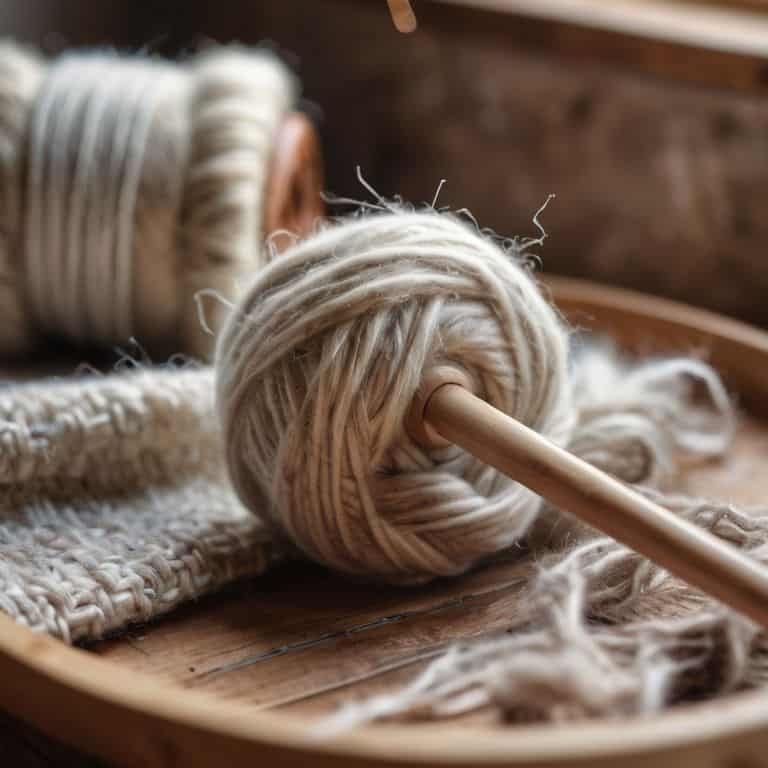
When it comes to understanding drop spindle materials, it’s essential to consider the type of fiber you’ll be working with. As a beginner, you may want to start with spinning wool, as it’s a great way to develop your skills. I’ve found that spinning wool for beginners can be a bit tricky, but with the right drop spindle, you’ll be creating beautiful yarns in no time.
As you delve into the world of spindle spinning, you may wonder about the difference between a hand spindle vs spinning wheel. While both tools can produce stunning results, they offer distinct spinning experiences. Hand spindles, like drop spindles, allow for a more intimate connection with the fiber, giving you greater control over the spinning process. On the other hand, spinning wheels can be more efficient, but may lack the tactile experience of working with a drop spindle.
To get the most out of your drop spindle, it’s crucial to consider choosing the right fiber for your project. Different fibers have unique properties that can affect the spinning process, so it’s essential to select a fiber that suits your needs. By understanding the characteristics of various fibers and drop spindle maintenance tips, you’ll be able to create beautiful, long-lasting yarns that showcase your spinning skills.
Drop Spindle Materials Matter
When it comes to drop spindles, the material can greatly impact your spinning experience. I’ve found that wooden spindles tend to be more traditional and can add a touch of warmth to your yarn. On the other hand, metal spindles are often more durable and can spin with less friction. As someone who’s tested countless spindles, I can tell you that the right material can make all the difference in the world.
In my journal, I’ve noted that bamboo spindles are also a great option for those looking for a more eco-friendly choice. They’re often lightweight and gentle on the fibers, making them perfect for spinning finer yarns. Ultimately, the choice of material will depend on your personal preference and spinning style. I’ve seen many makers swear by one type of material over another, but I say, don’t be afraid to experiment and find what works best for you.
Spin Like You Mean It
For me, spinning is about connection – to the fiber, to the craft, and to the generations of makers who’ve come before us. A drop spindle is more than just a tool; it’s an extension of your own hands, a way to coax and tease the fibers into submission. I’ve spent countless hours at my own wheel, watching as a messy bundle of fluff transforms into something strong, smooth, and full of life. There’s a meditative quality to spinning, a sense of calm that comes from creating something with your own two hands.
As I see it, a good drop spindle is one that becomes a trusted companion, a faithful friend that helps you unlock the full potential of your fiber. It’s not just about the materials or the design, but about the way it feels in your hand, the way it responds to your touch. A great spindle is one that disappears, leaving only the fiber, the spin, and the joy of creation.
5 Essential Tips for Choosing the Perfect Drop Spindle
- Consider Your Fiber: Think about the type of fiber you’ll be spinning most often and choose a drop spindle that’s well-suited for it – for example, a heavier spindle for thicker fibers like wool and a lighter one for finer fibers like silk
- Spin to Your Budget: Drop spindles can range from very affordable to quite pricey, so set a budget and look for options that meet your needs within it – remember, you don’t have to break the bank to get a great spindle
- Material Matters: Different materials can affect the performance and durability of your drop spindle, so consider what’s important to you – wood, metal, and plastic each have their own unique characteristics and advantages
- Test the Spin: Before committing to a drop spindle, try it out if possible – pay attention to how smoothly it spins, how well it balances, and whether it feels comfortable in your hand
- Look for Longevity: A good drop spindle should last you for many years and countless spinning projects, so choose one that’s built to endure – look for high-quality materials, sturdy construction, and a reputation for reliability
Key Takeaways for Choosing the Perfect Drop Spindle
Consider the type of fiber you’ll be spinning most often and choose a drop spindle material that complements it, such as wood for wool or metal for flax
Think about your spinning style and the weight of the spindle: heavier spindles are better for thicker fibers, while lighter ones suit finer fibers
Remember, the perfect drop spindle is one that feels balanced in your hand and allows for smooth, consistent spinning, so don’t be afraid to try out a few before making a decision
The Heart of Spinning
A drop spindle is not just a tool, it’s a partner in your spinning journey – and choosing the right one can be the difference between a frustrating tangled mess and a symphony of smooth, silky yarns.
Audrey Vance
Spinning Your Way to Success
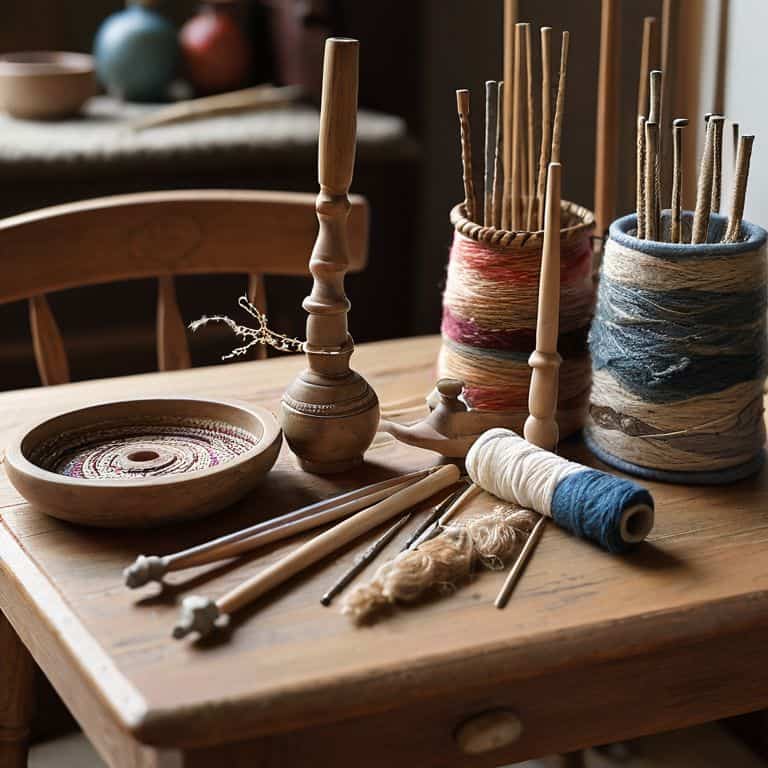
In conclusion, choosing the right drop spindle can be a bit overwhelming with all the options available, but understanding your spinning style and the type of fiber you work with can greatly simplify the process. As we’ve discussed, considering the material of your drop spindle, whether it’s wood, metal, or ceramic, is crucial for the durability and performance of your spindle. Additionally, don’t forget to think about the weight and size of the spindle, as these factors can significantly impact your spinning experience. By following these guidelines and remembering that practice makes perfect, you’ll be well on your way to becoming a skilled spinner.
As you embark on your spinning journey, remember that the key to mastering the craft is consistency and patience. Don’t be discouraged if your first few attempts don’t yield the results you’re looking for – every spin is a learning opportunity. With time and practice, you’ll develop a keen sense of what works best for you, and your drop spindle will become an extension of your creative self. So, go ahead, take the leap, and spin like you mean it – the world of fiber arts is waiting for you, full of vibrant colors, textures, and endless possibilities.
Frequently Asked Questions
What are the key differences between top-whorl and bottom-whorl drop spindles?
For me, the main difference between top-whorl and bottom-whorl drop spindles comes down to spinning style and fiber type. Top-whorl spindles are great for thicker yarns and more energetic spinning, while bottom-whorl spindles are better suited for finer fibers and a more subtle touch.
How do I determine the right weight and size of a drop spindle for my specific fiber and project?
For me, it’s all about matching the spindle’s weight and size to your fiber and project. I like to consider the fiber’s density and the desired yarn weight. As a rule of thumb, heavier spindles work well for thicker fibers, while lighter ones are perfect for finer fibers. Think about the sweater test – how will your yarn wear over time?
Are there any specific features or materials I should look for in a drop spindle to ensure it will last and perform well over time?
When it comes to durability and performance, I always say it’s all about the materials and craftsmanship. Look for drop spindles made from high-quality, dense woods like ebony or birch, or metals like bronze or stainless steel. Avoid flimsy or lightweight construction, and opt for a spindle with a smooth, even finish to reduce friction and wear.
